Making sense of our connected world
Digital power-play: Manuel Castells in Berlin
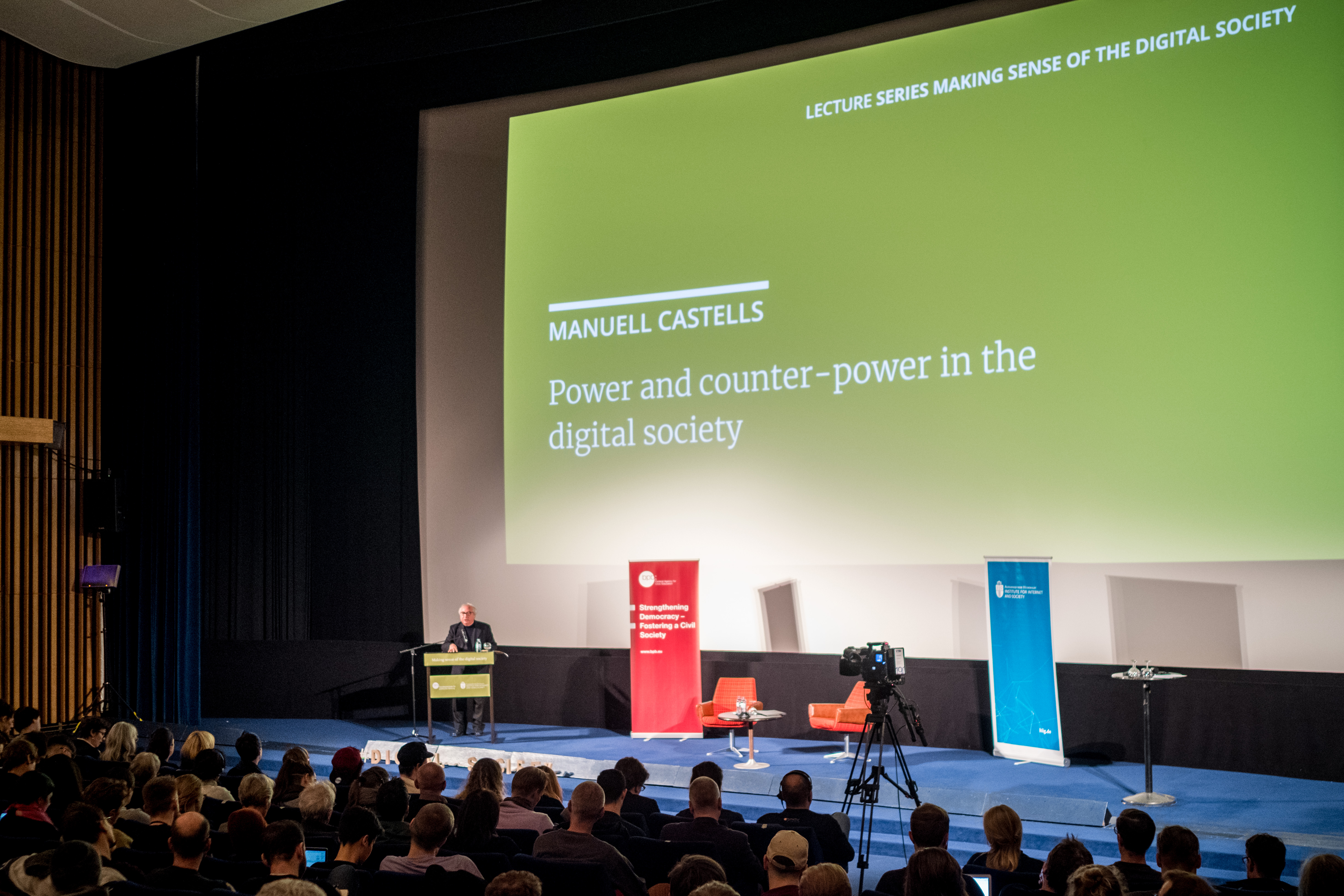
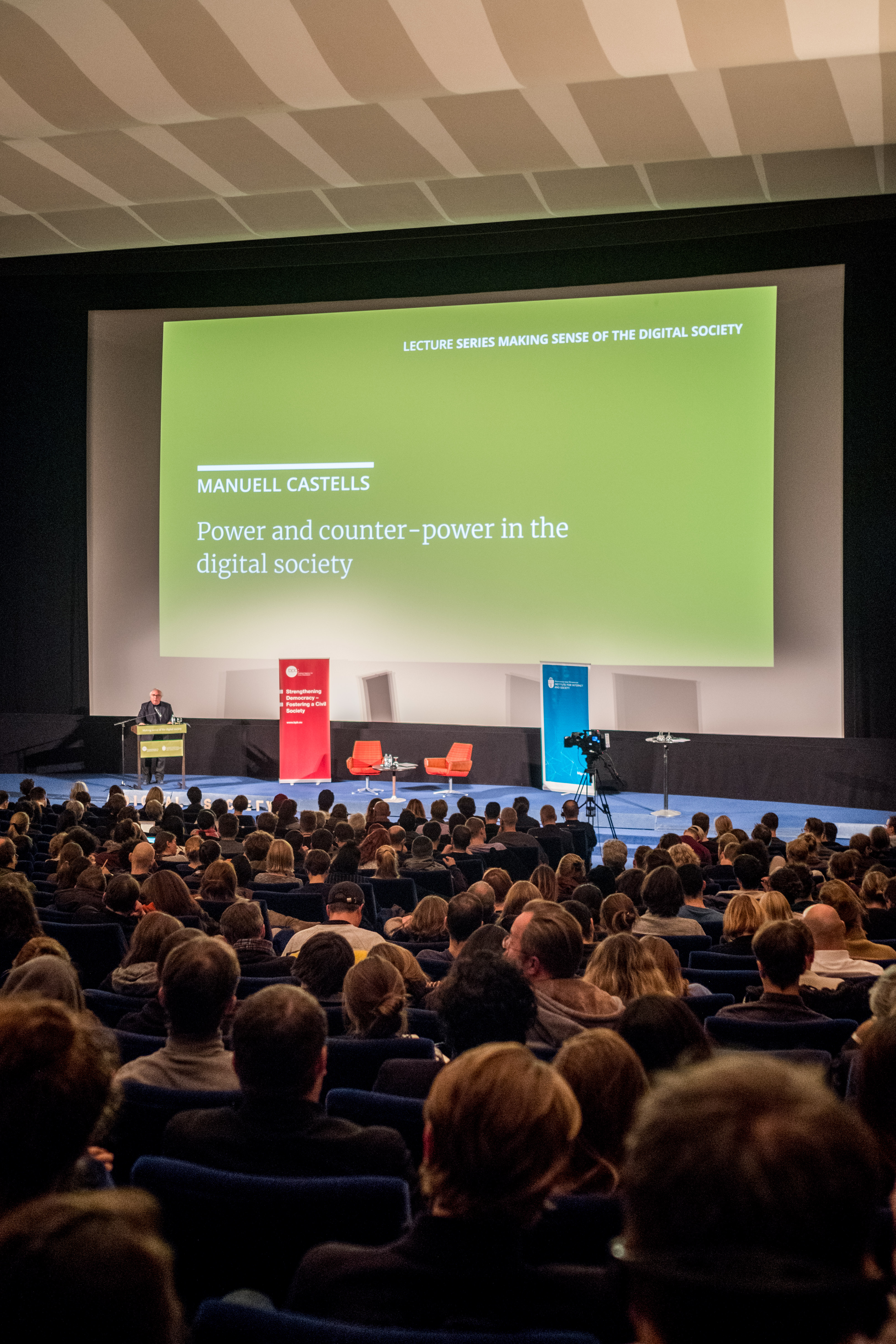
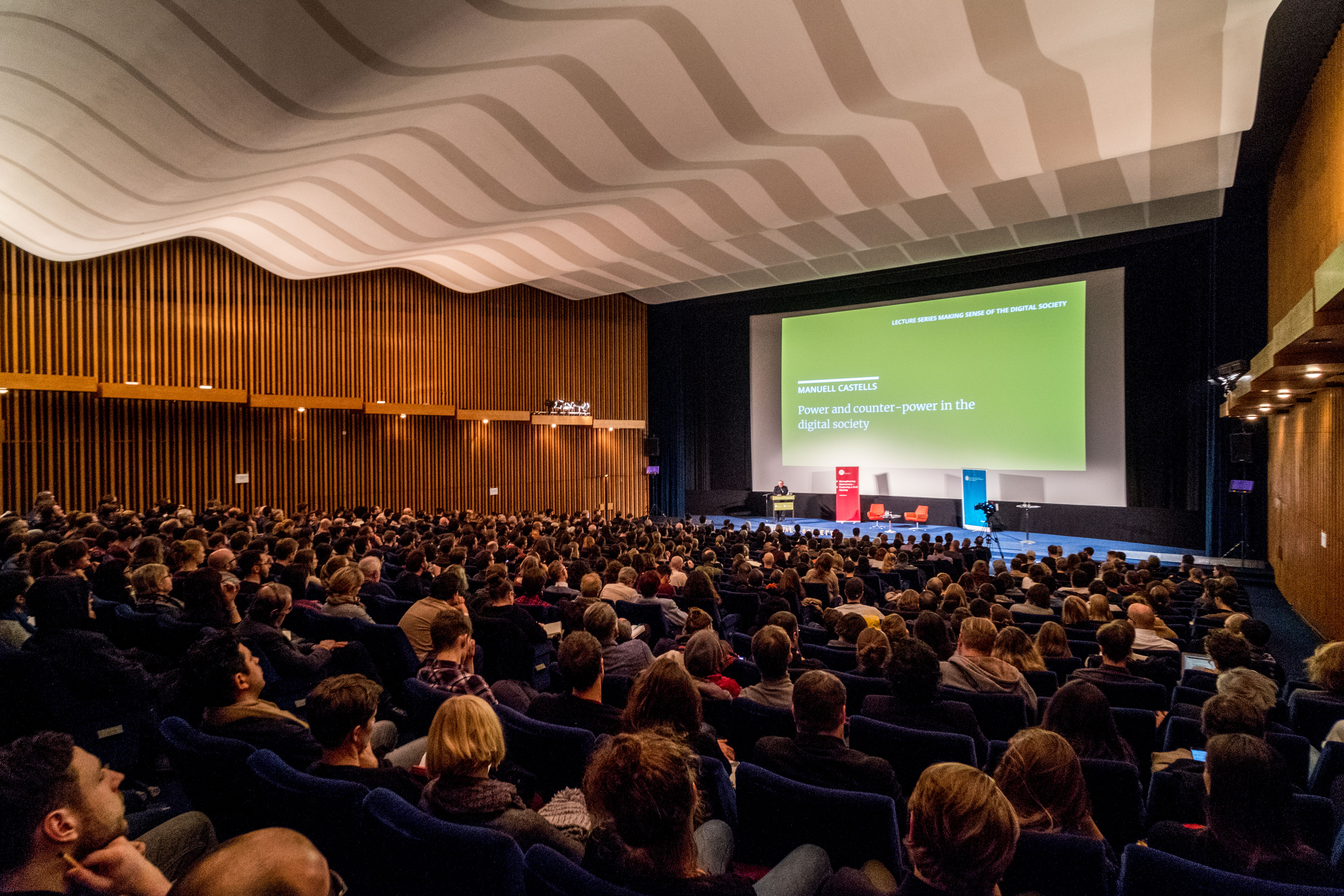
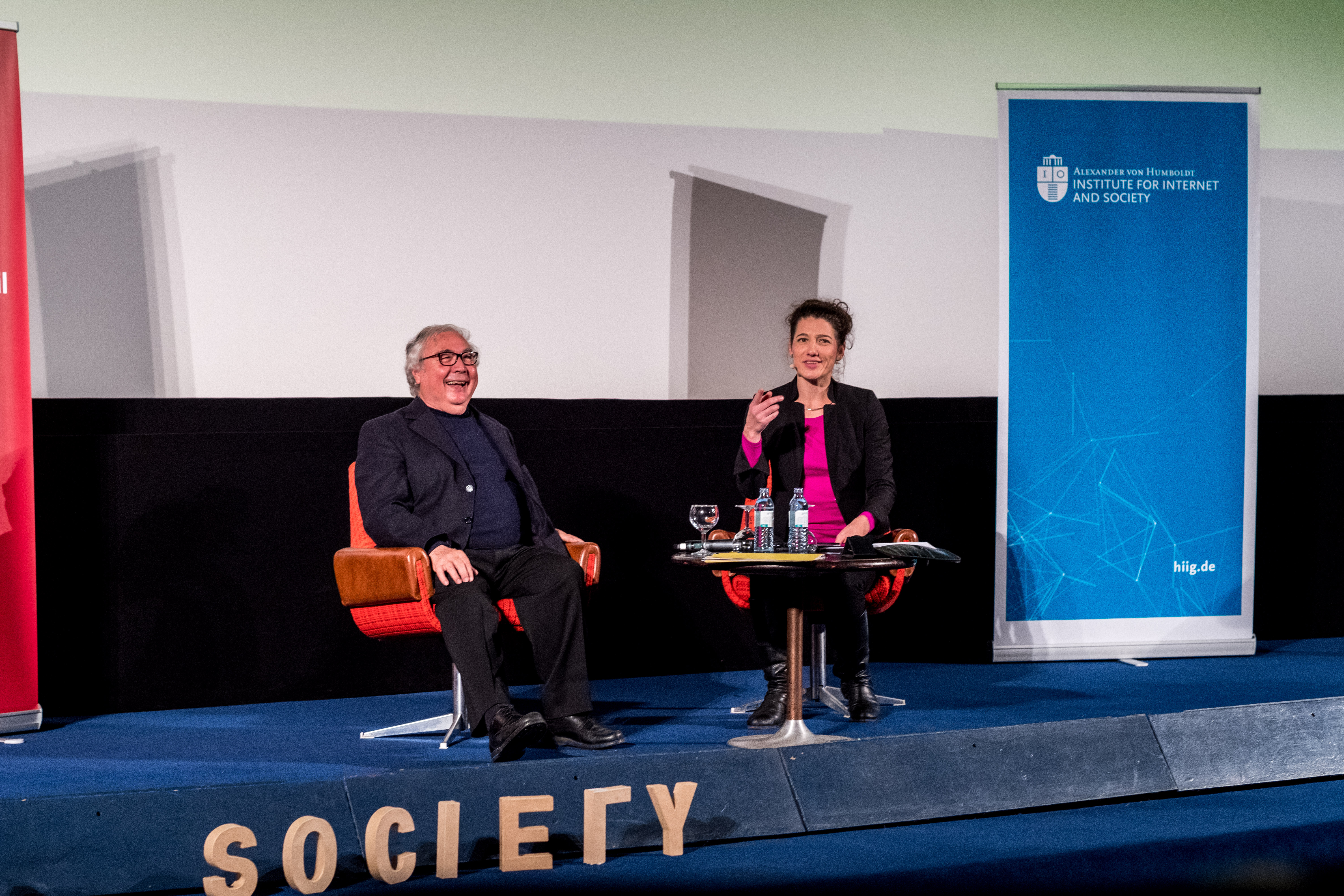
Manuel Castells has been one of the first intellectuals to grasp the internet and its associated developments within a broader social theory. So, how is power constituted in the digital society? Already with his highly influential trilogy ‘The Information Age’, Manuel Castells has highlighted the ambiguities of this development. Traditional forms of power might erode, but new, distributed forms of power emerge, Castells argued back then. Who else but him could kick-off the first event of our academic lecture series about the digital society on 12 December 2017, and revisit the development of the last 20 years?
Read more about the upcoming lecture by Christoph Neuberger
In our digital age, it became fundamental to understand the mechanisms of power. How is power constituted in the digital society? Who has power, and how can this power be countered and contested? With emerging digitally networked technologies, it was believed that the utopian vision of people’s empowerment, emancipation and democratisation could become reality. But where are we now?

Following Castells, we can differentiate two pivotal forms of power. In the first place, the state holds a monopoly on the legitimate use of violence. Secondly – what is even more crucial in the digital society –, the ones who are in power shape the opinion on a public and individual level. In contrast to the state monopoly on violence, the latter is highly dependent on information technologies and communication networks, which can be regarded as today’s main powers of distributing power and capital.
The paradox of “free” internet technology
In recent years, it became more and more clear that the use of certain internet technologies isn’t „for free“ at all. With social relations becoming more and more interconnected, possibilities for public surveillance grow. Furthermore, communication is increasingly data-based. As the data is being processed through both private enterprises and governmental authorities, our interactions are caught in power structures dominated by a few.
Castells: Let´s face it there is no more data privacy anymore!
— Cristobal Cobo (@cristobalcobo) May 24, 2011
As a result, we pay with our privacy. A “global surveillance bureaucracy” nearly ensures omniscience. To Manuel Castells, the constant collection of user-related data by national security agencies and private companies ultimately means a threat to democracy.
Massive global digital surveillance is the most important expression of power today. A global surveillance bureaucracy. #Castells #DigitalSociety
— @civic_tim@bildung.social (@timschmalfeldt) December 12, 2017
Meaningful countermeasures
Central to Castells’ lecture was the assumption of a dialectic dynamic, emerging from the interplay of power communication on the one hand and counter-power relations on the other hand. But how to protect ourselves and regain our autonomy from ubiquitous surveillance?
„The French spy the Germans, the Germans spy the French and then they exchange information.“ – und so umgehen Regierungen mit Geheimdiensten legislative Restriktionen zur Überwachung von BürgerInnen. #manuellcastells #digitalsociety
— @didumdida@chaos.social (@didumdida) December 12, 2017
"Ultimately, #encryption is the only way we can protect ourselves" and therefore fundamental – Manuel Castells at #digitalsociety lecture
— Internet Policy Review (@PolicyR) December 12, 2017
According to Manuel Castells, the only option is to enhance democratic capacities. He suggests to foster legal protection mechanisms for social activism, whistle-blowing, citizen journalism and to engage in social network movements. Jenny Genzmer briefly outlines on Twitter that Manuel Castells once more explained the importance of social movements to her, namely to transform societal values. An important thought for people who are socially engaged.
The good, the bad and the ugly technologies?
Finally, Castells recalled a very crucial point for understanding the play of power in the digital age:
#ManuelCastells: "The Internet is the mirror of society. If society is good or bad is immmediately reflected on the Internet." #DigitalSociety
— Joerg Geier (@joerggeier) December 12, 2017
The question is not whether certain technologies are good or bad. Rather than being neutral, it reflects society like a mirror and is the constant product of our interactions.
And that was Castells on the #digitalsociety. What's next? For now, good night! pic.twitter.com/m3z4B6RuzL
— Christian Katzenbach @cka@aoir.social (@ckatzenbach) December 12, 2017
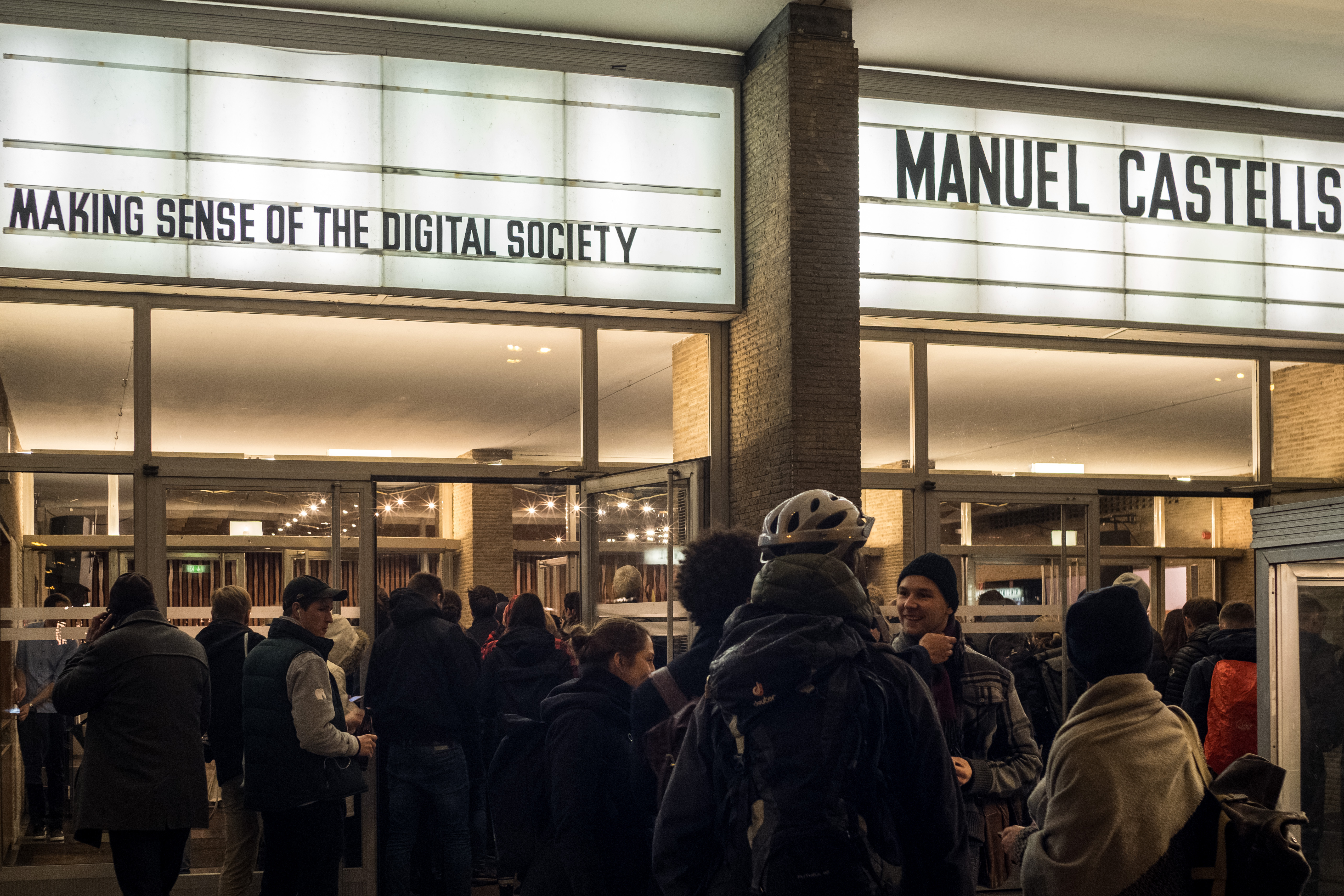
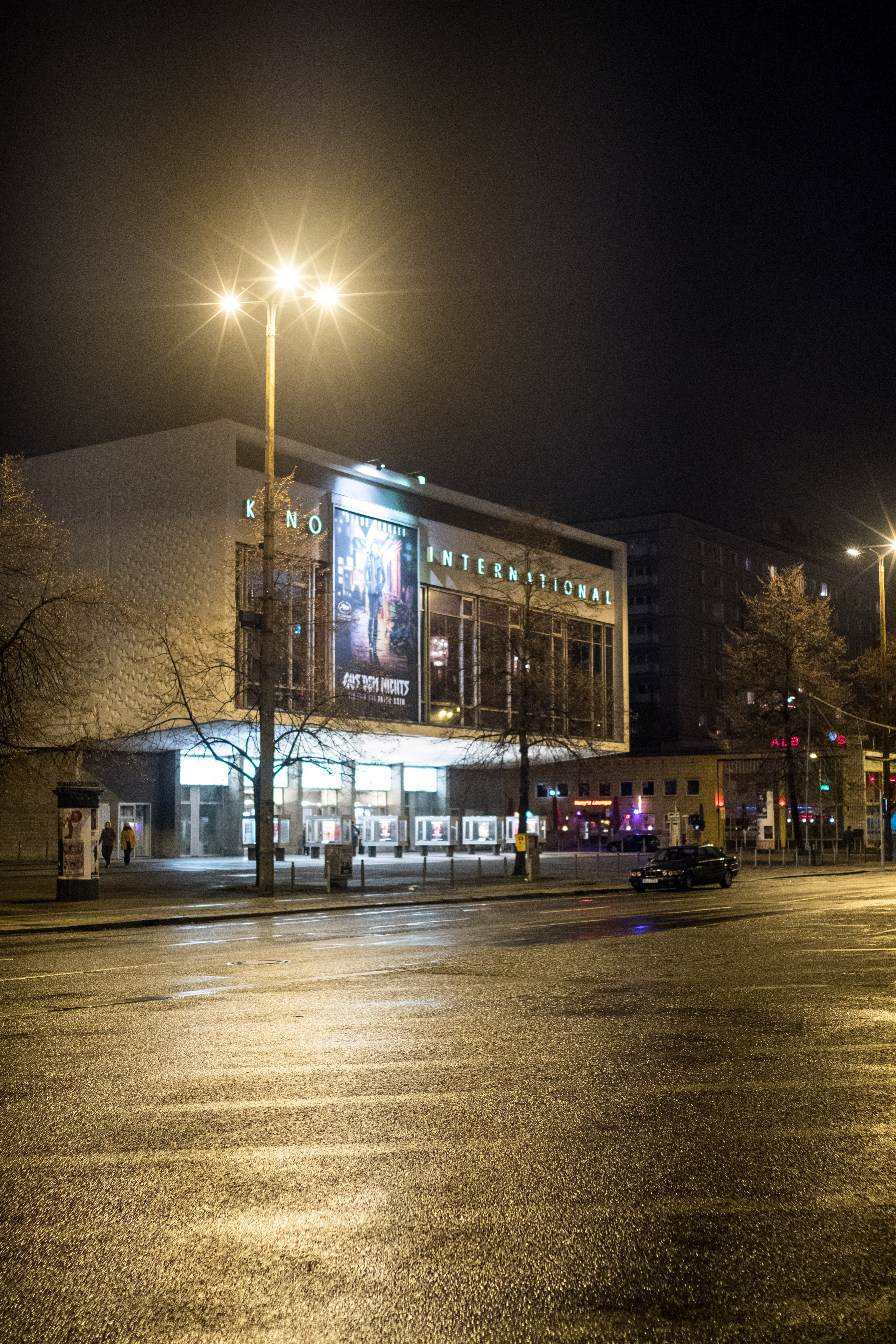
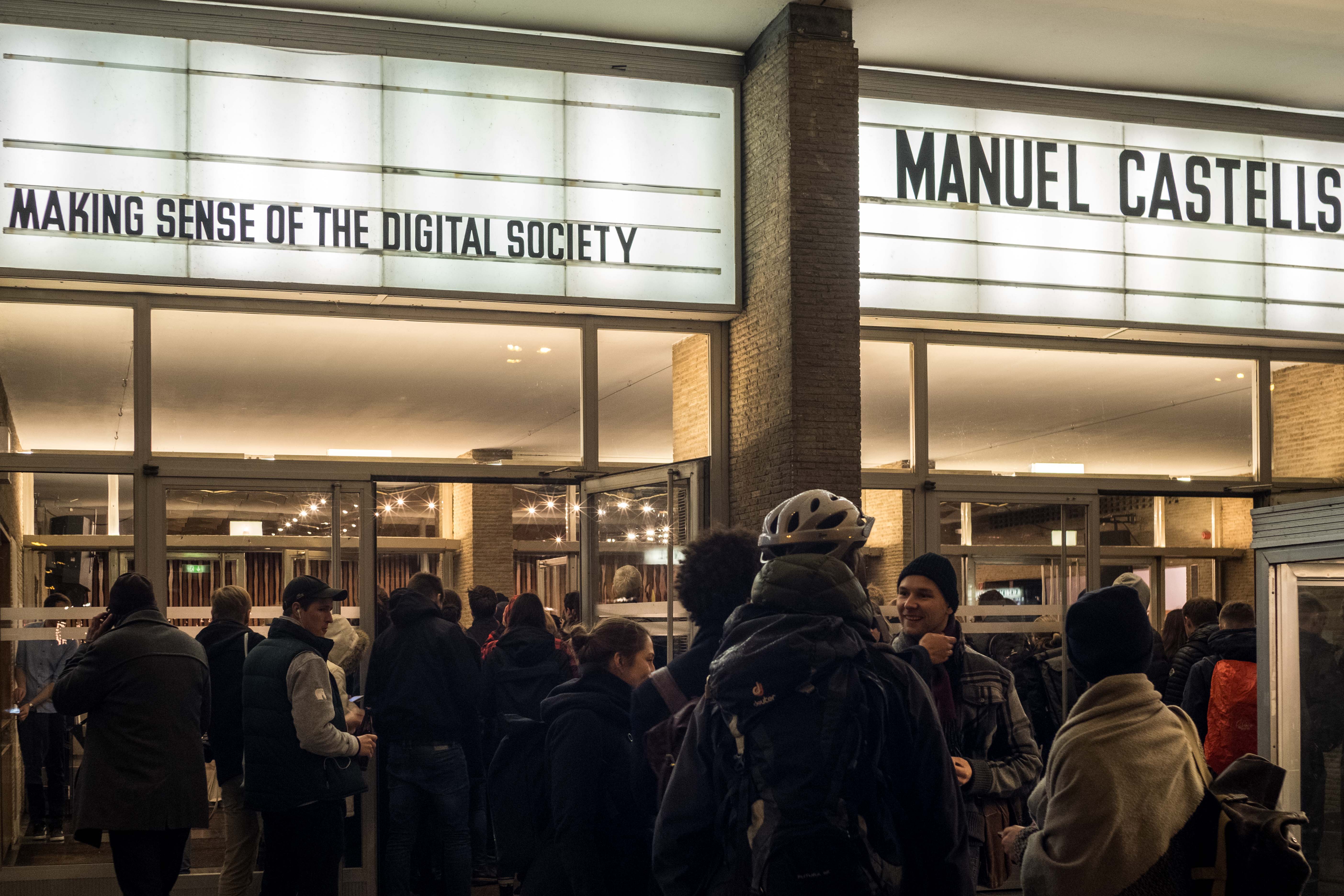
After the event, the letters announcing Castells’ lecture in front of Kino International were taken down. Instead, they were replaced by an announcement of the new Star Wars movie – leaving “Star Castells“ just for a short moment of observation. In some way, Manuel Castells was celebrated like a rock star that evening, a rock star who has been in the business for a long time…

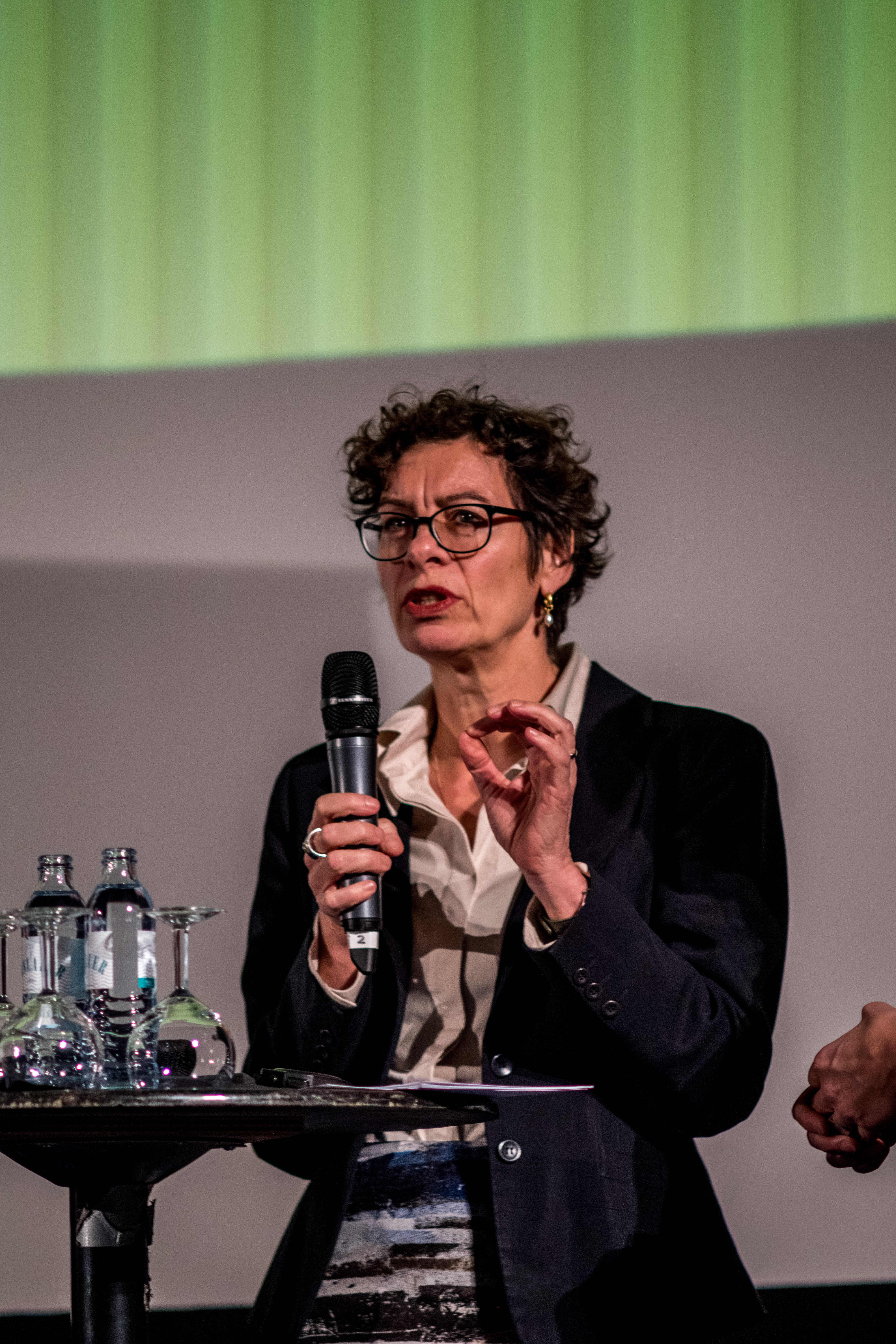
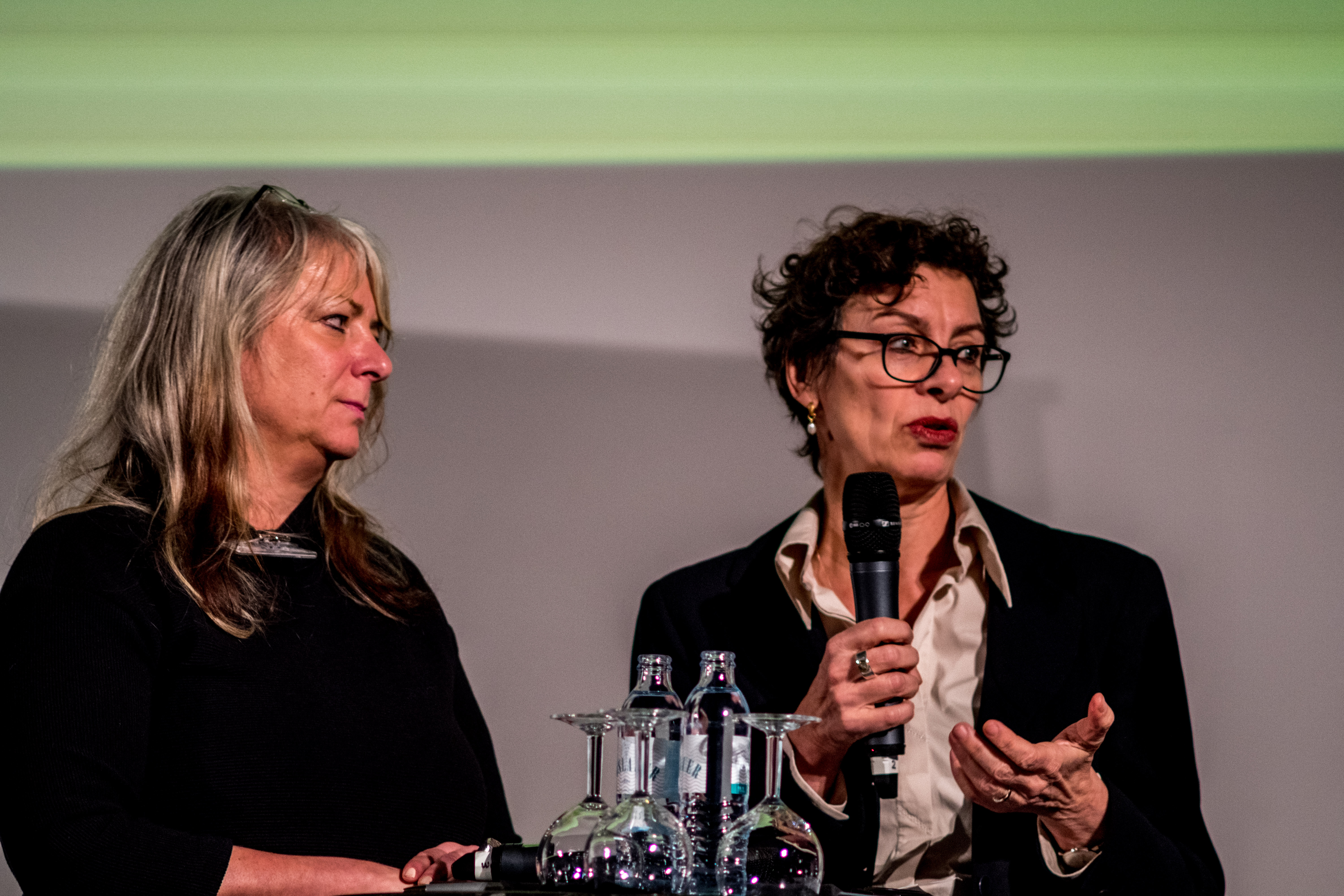
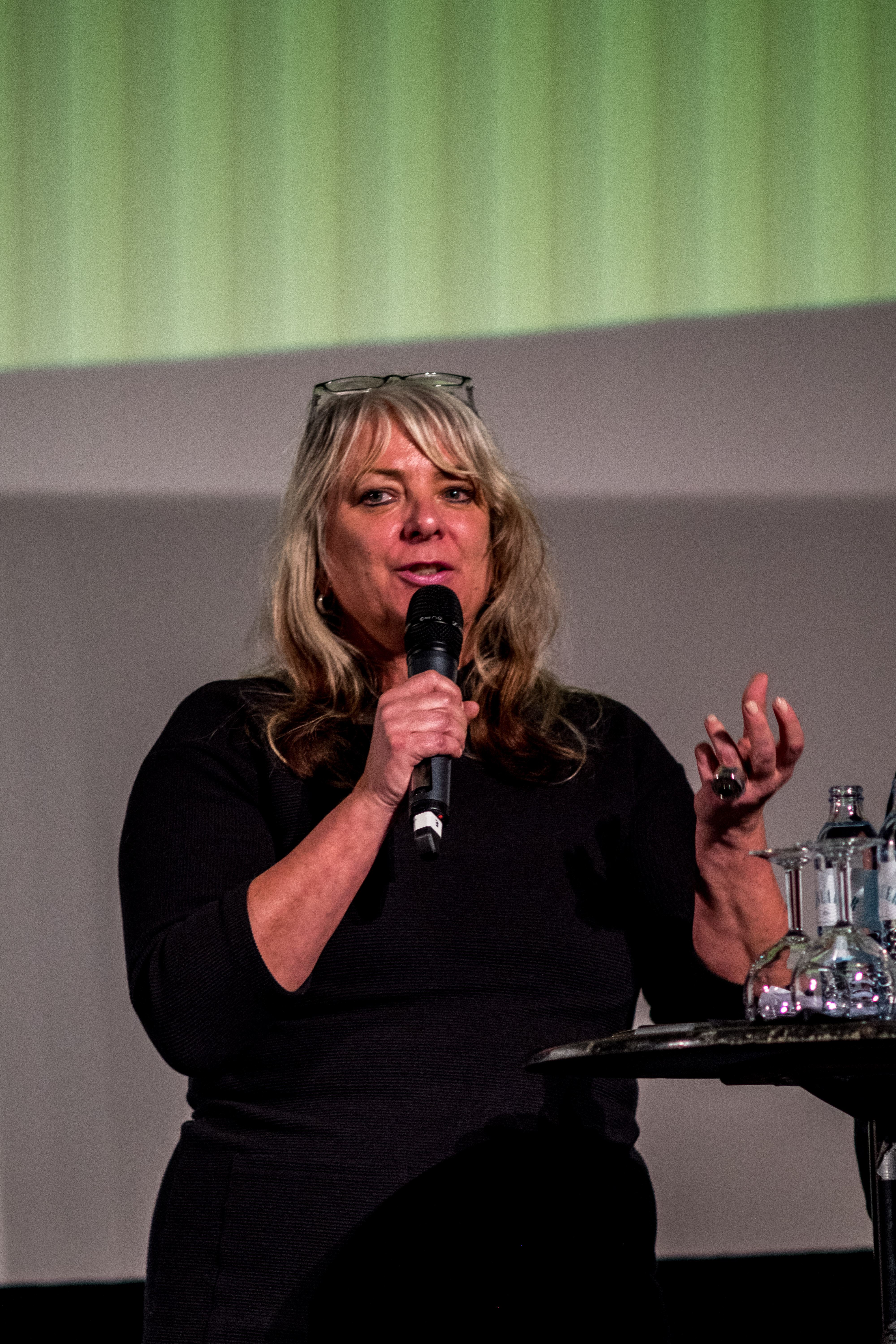
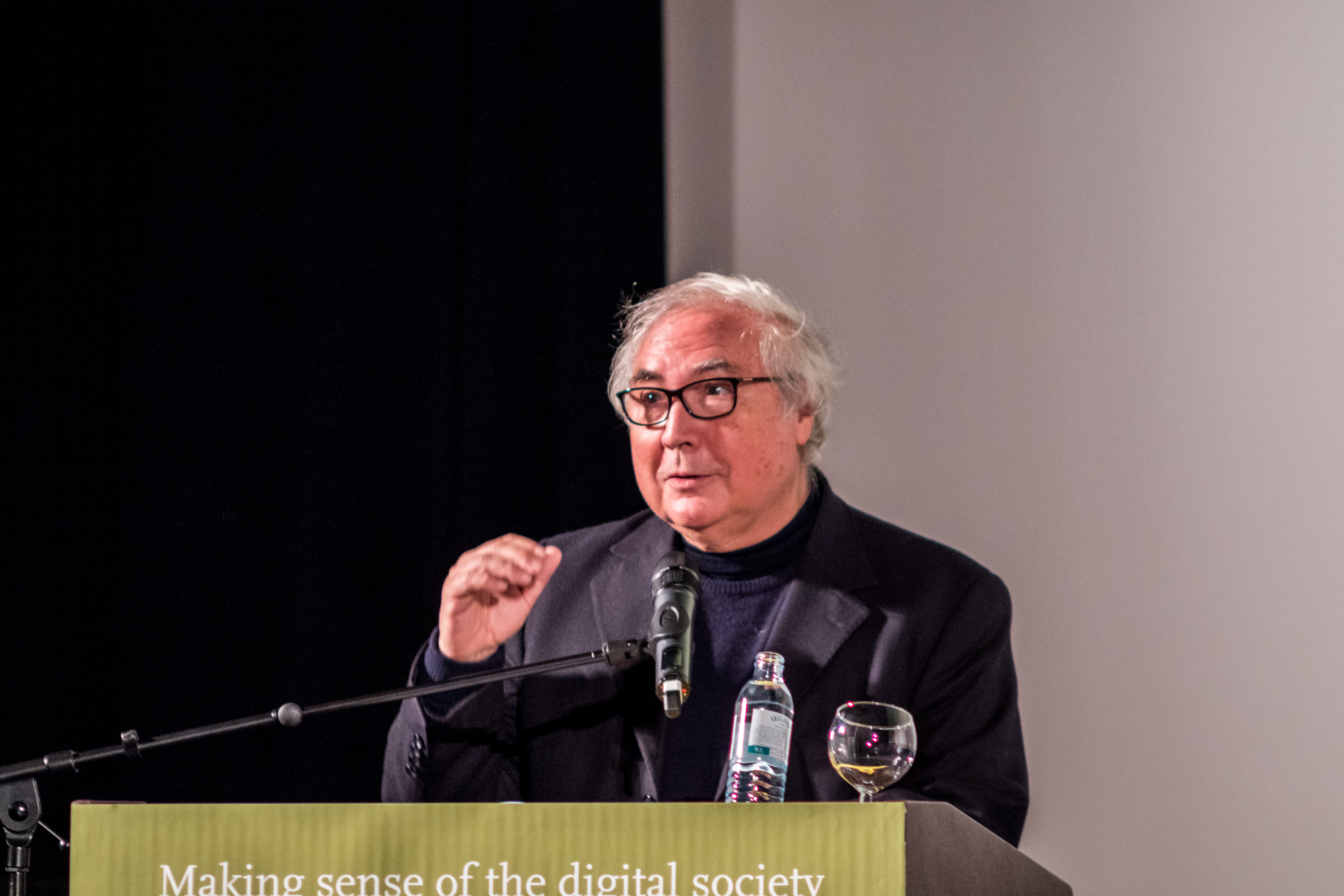
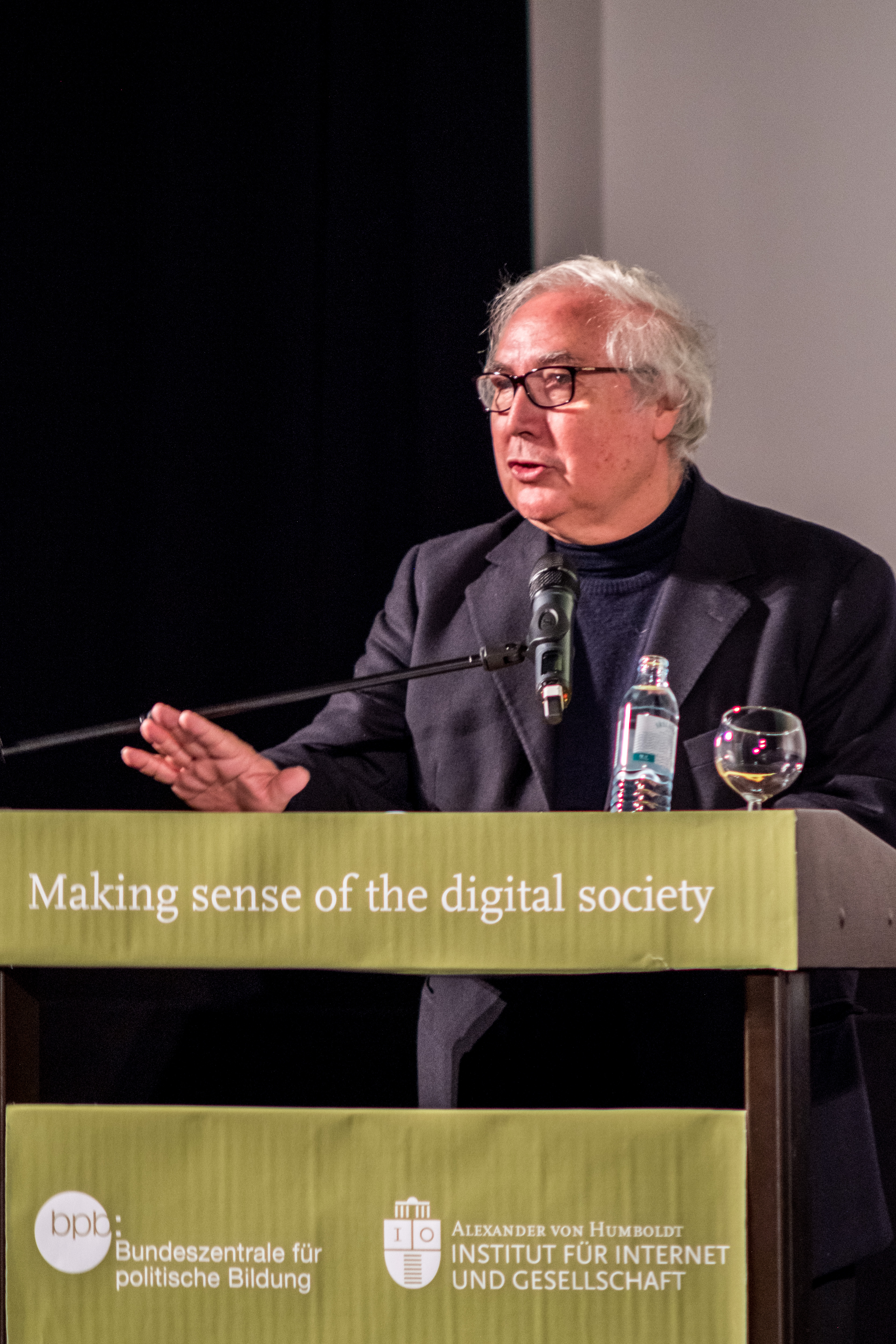
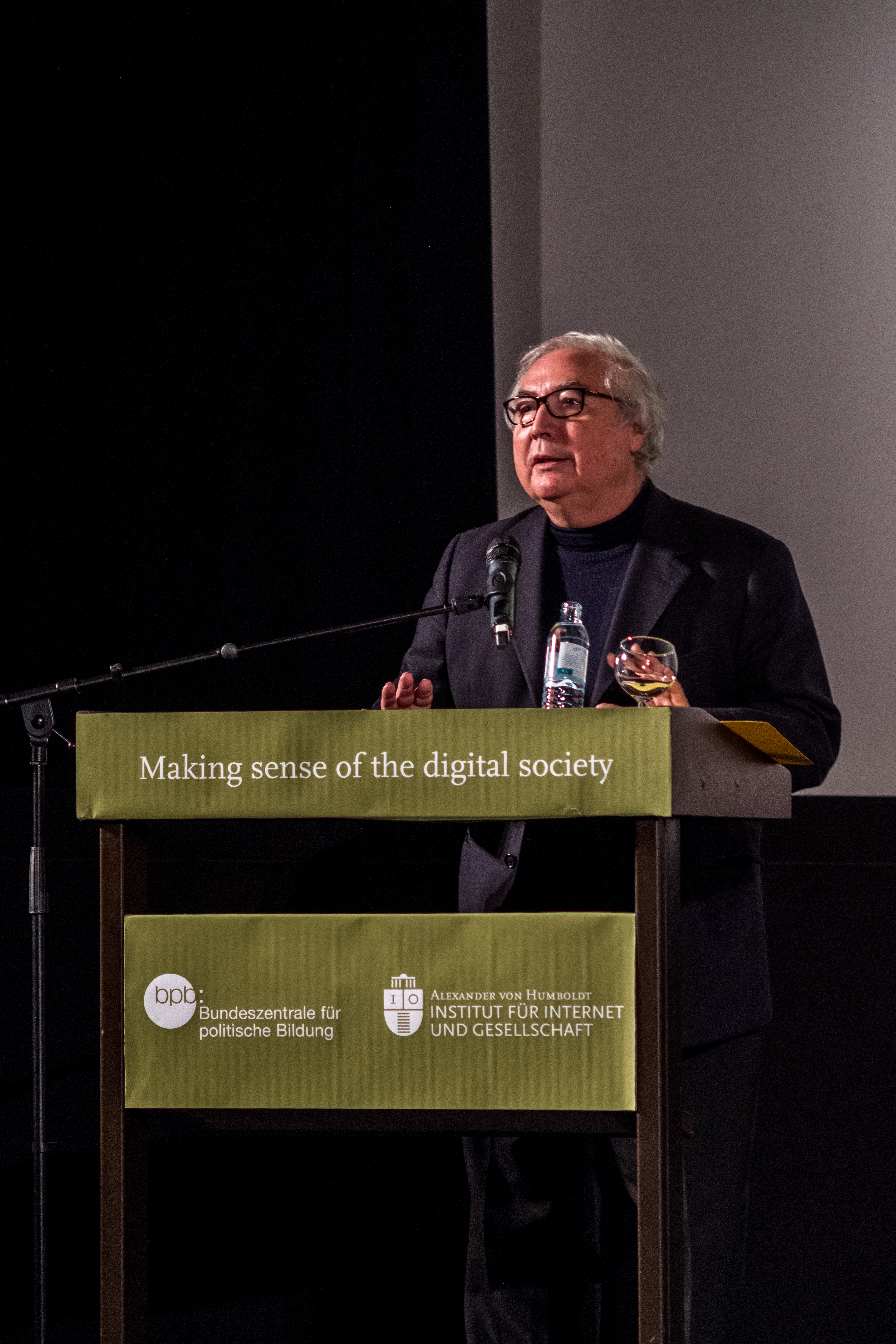
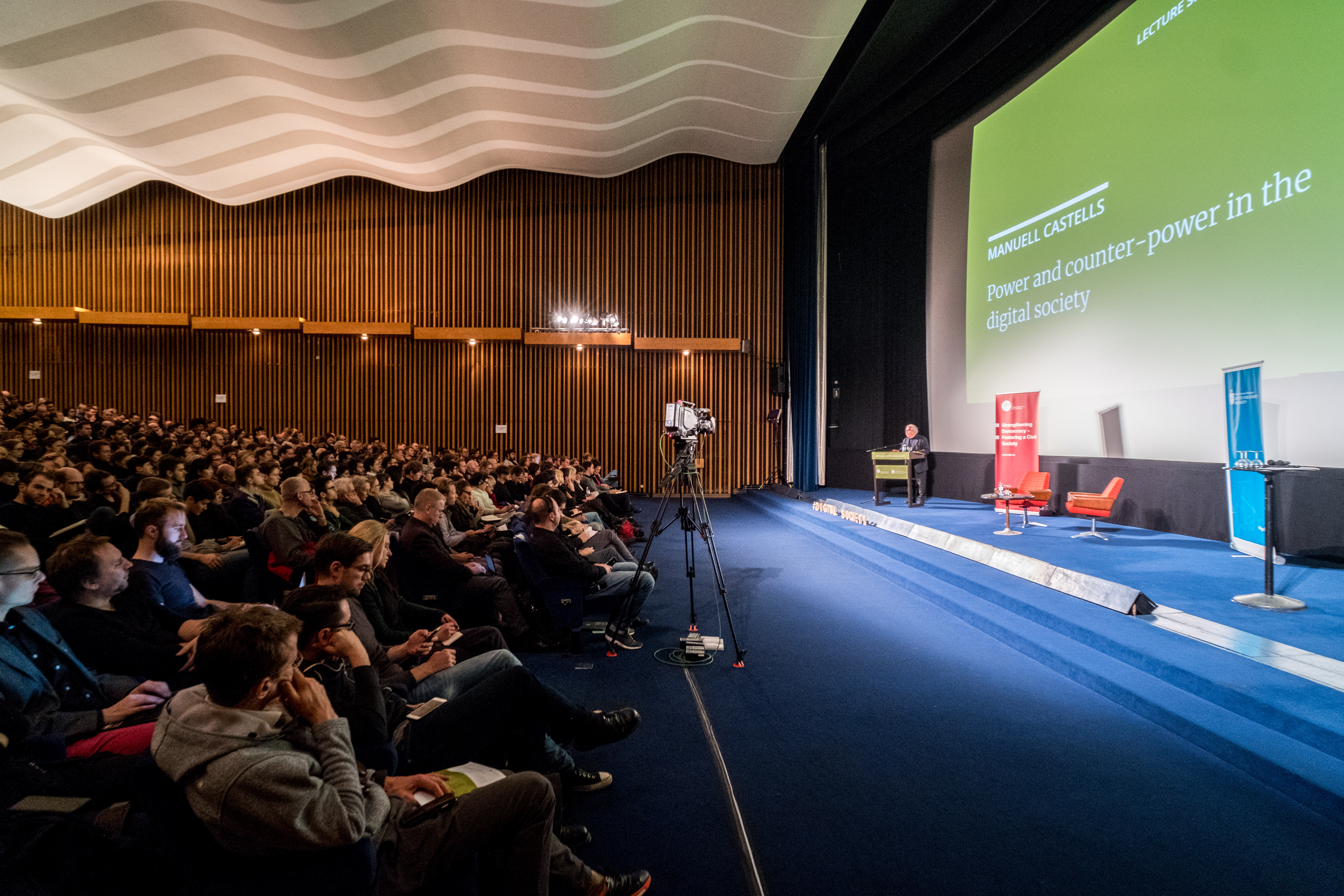
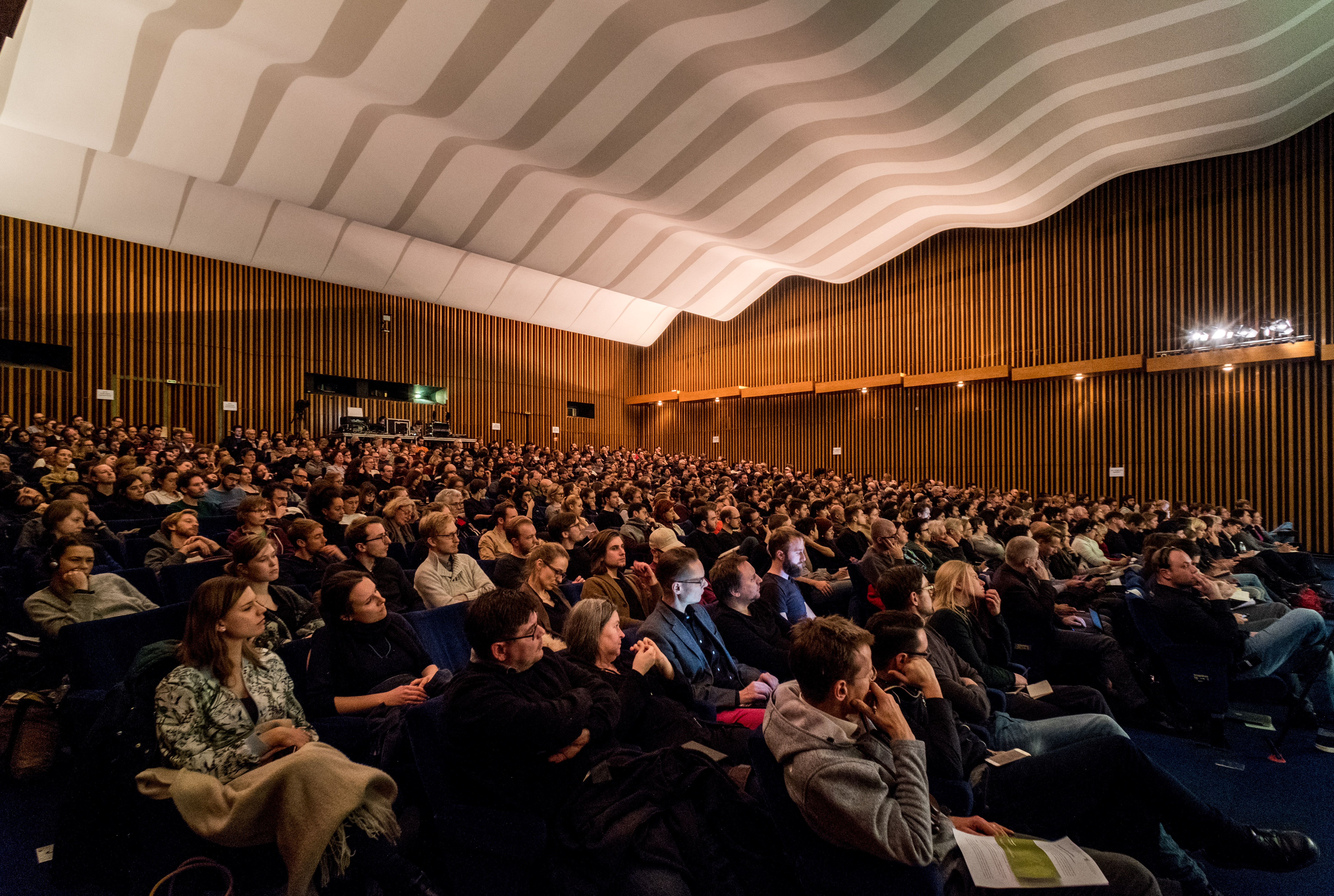
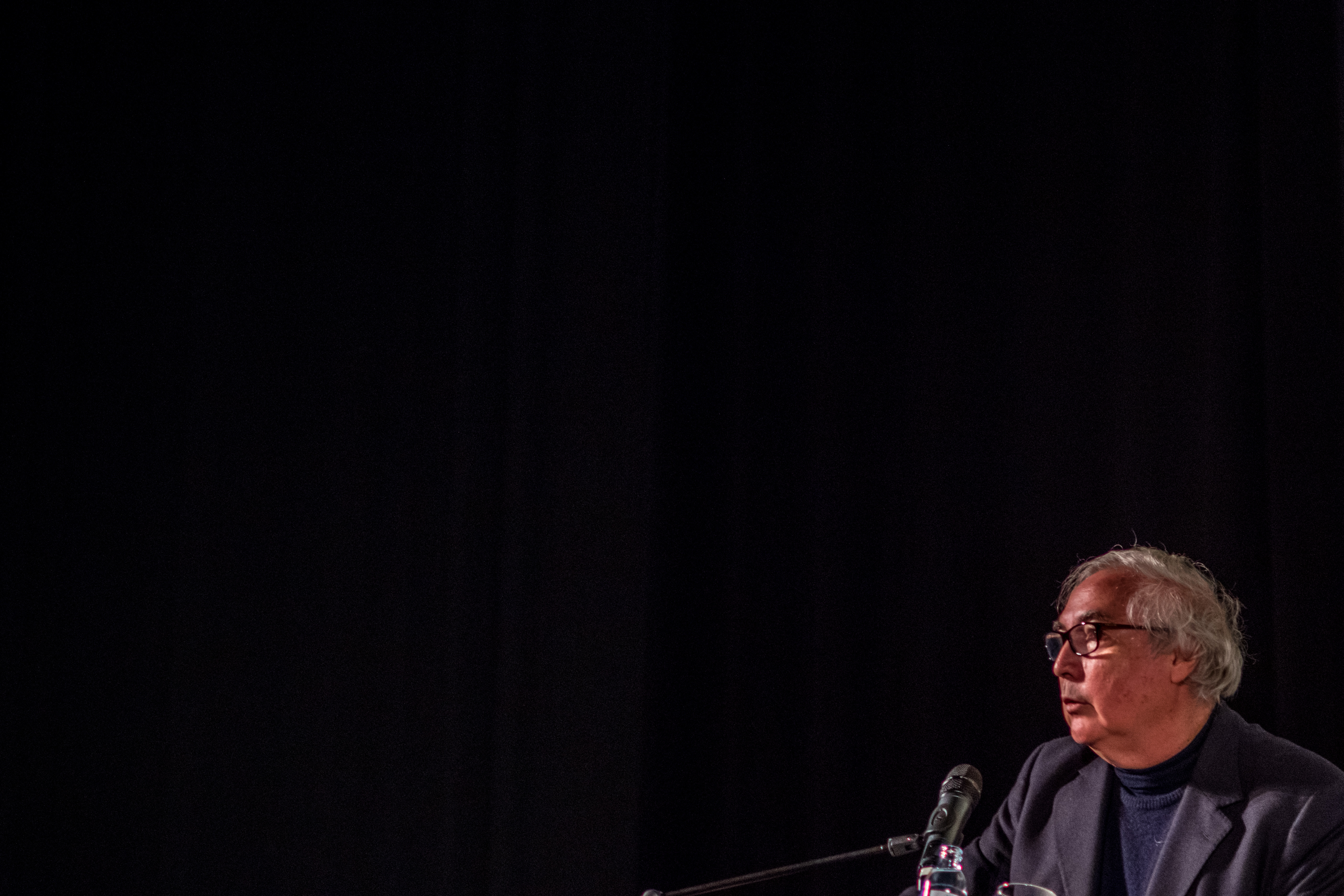


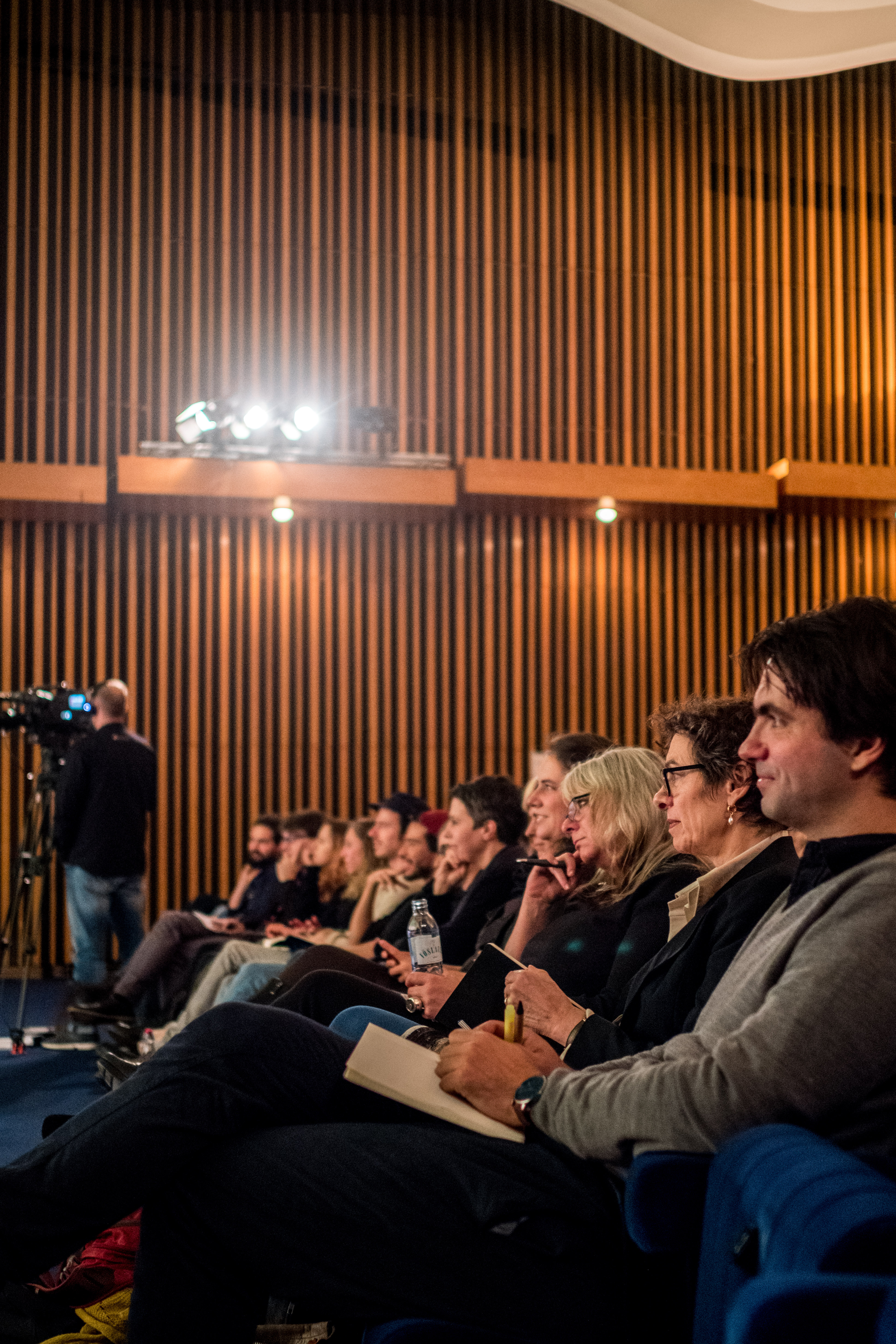
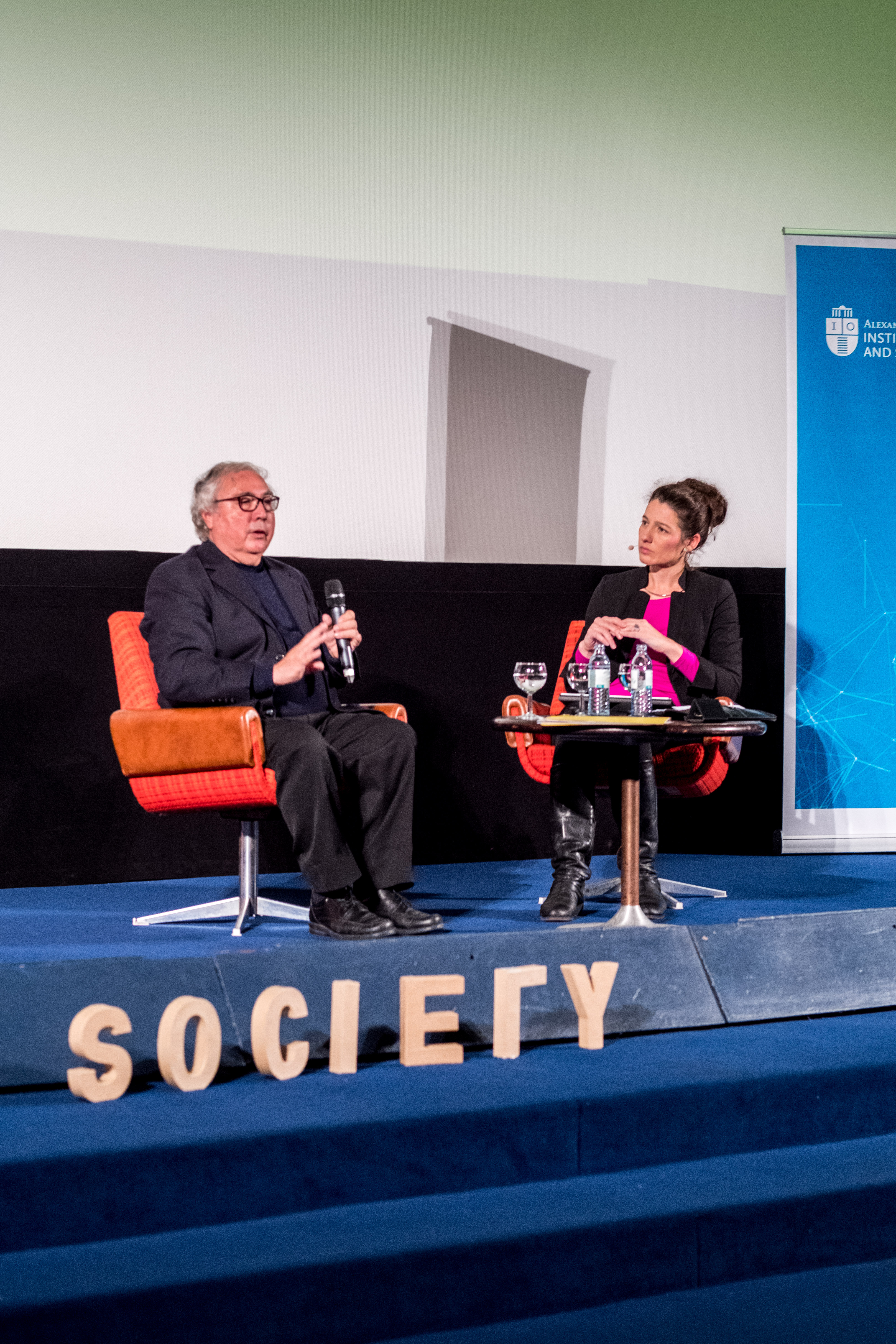
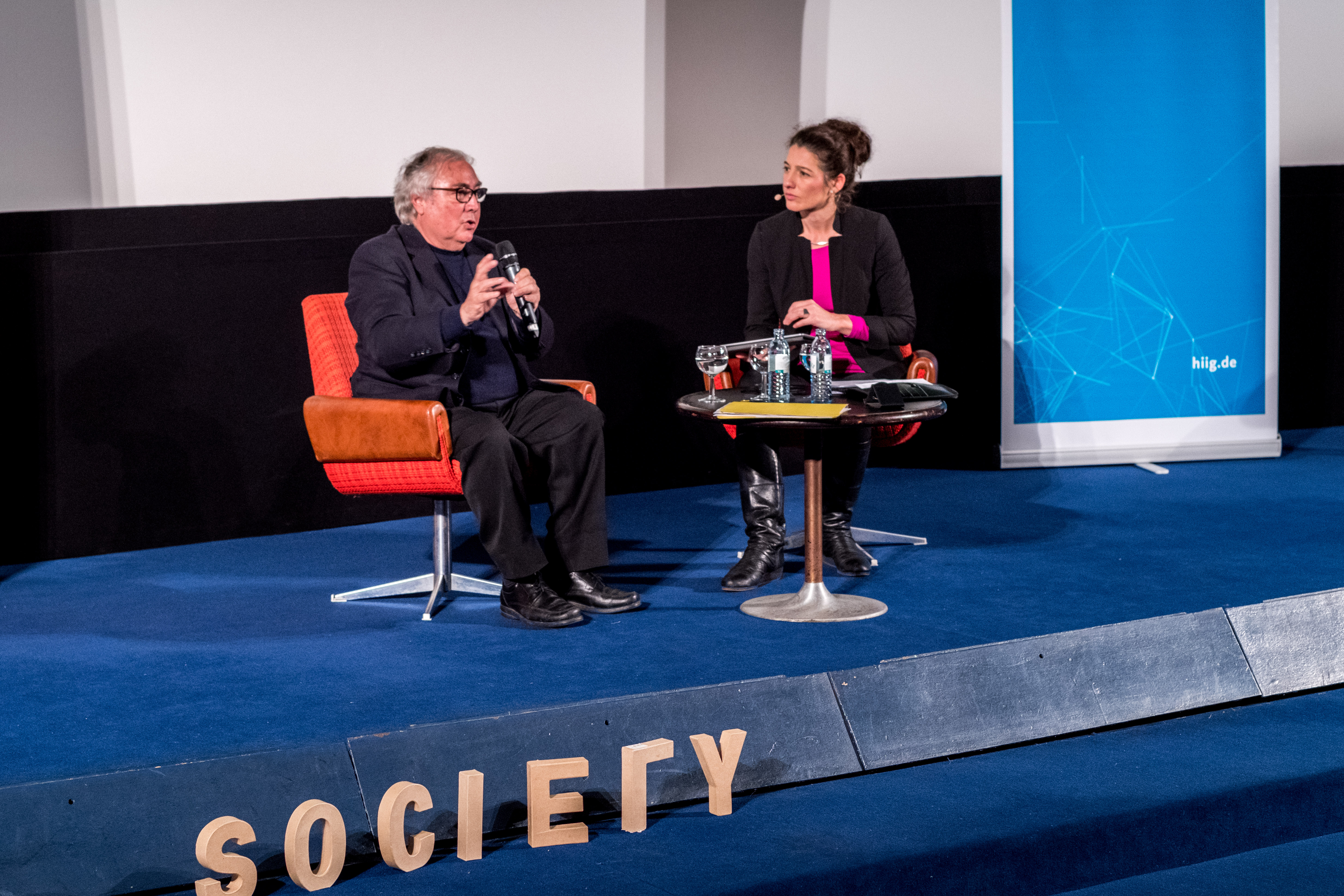
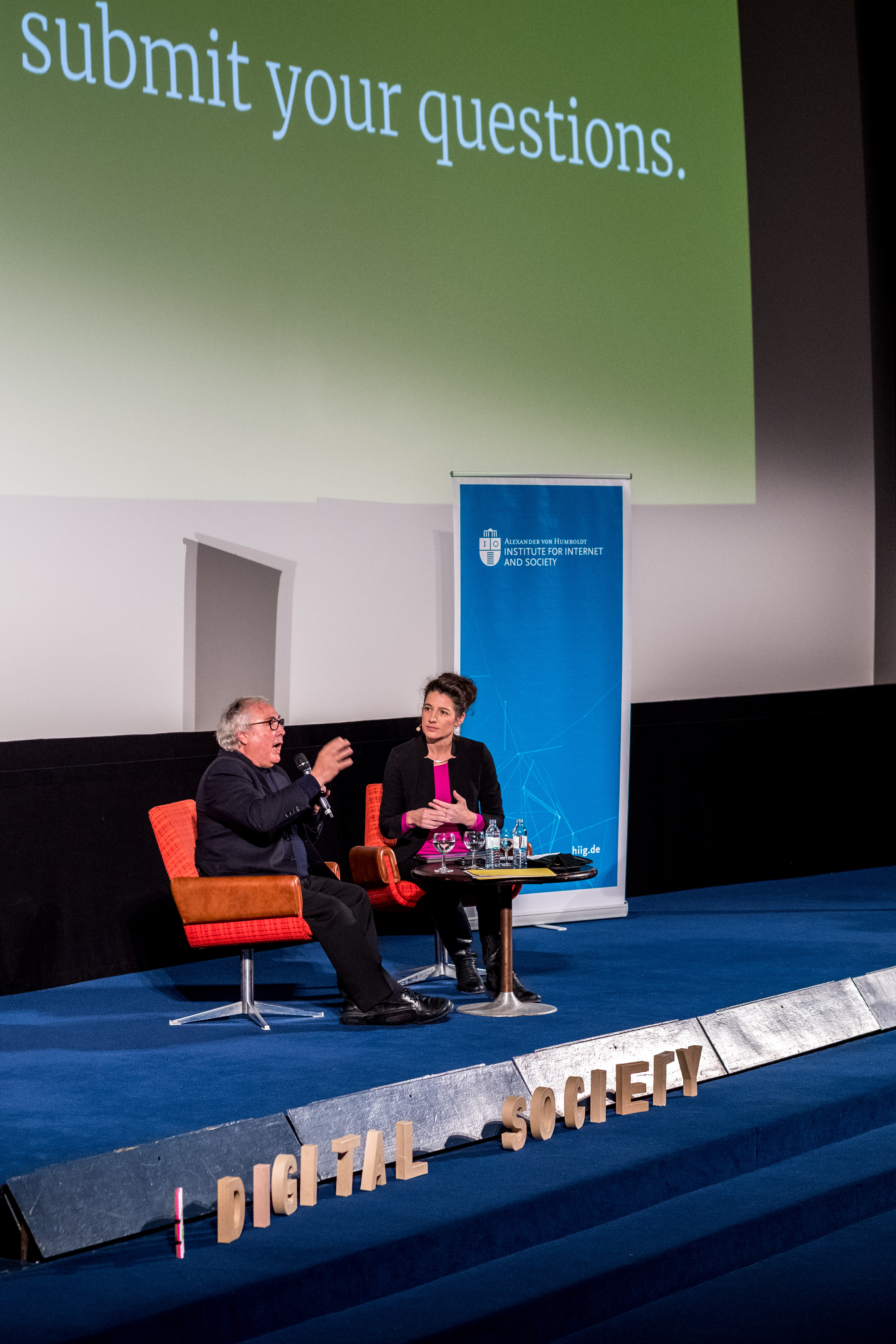
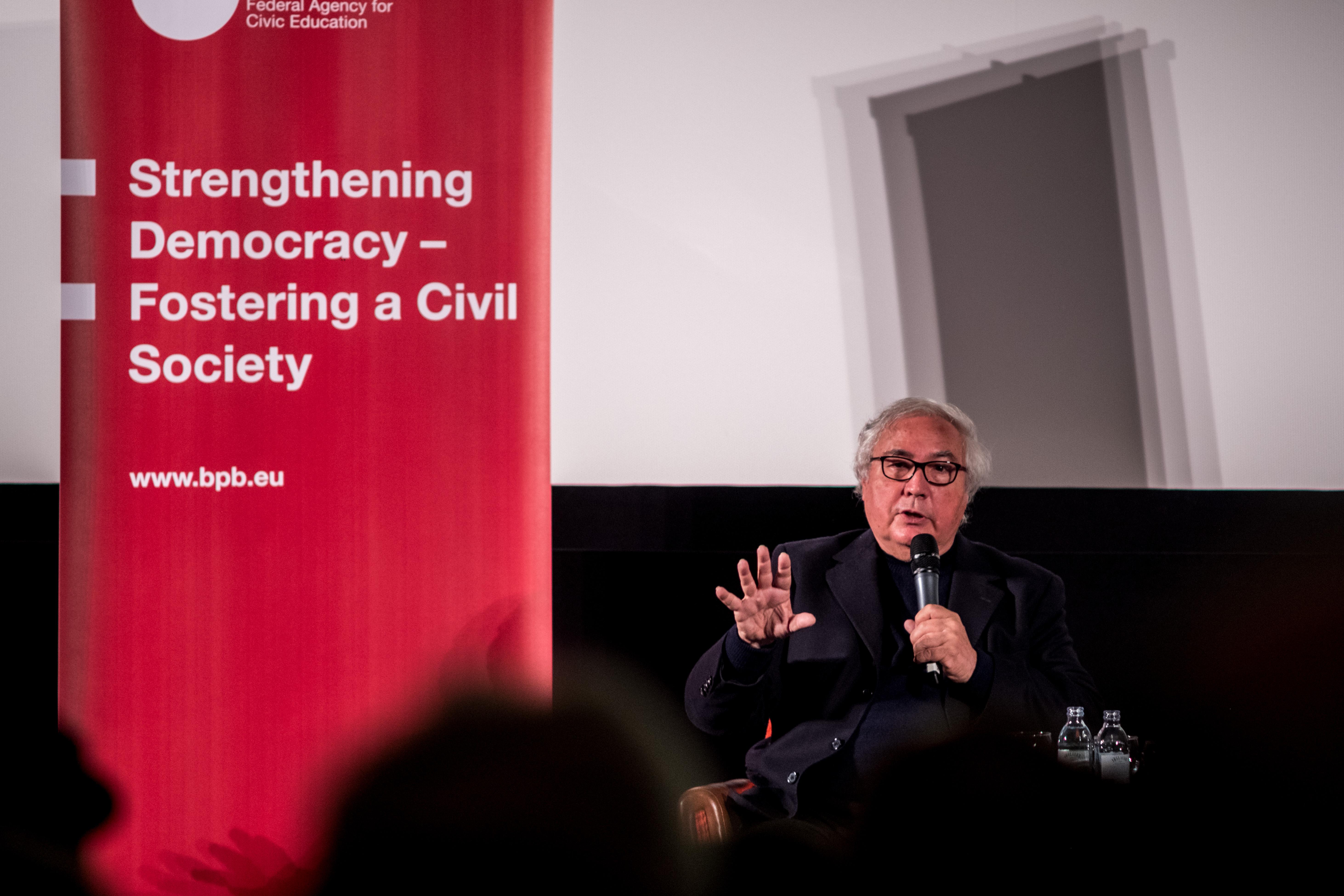
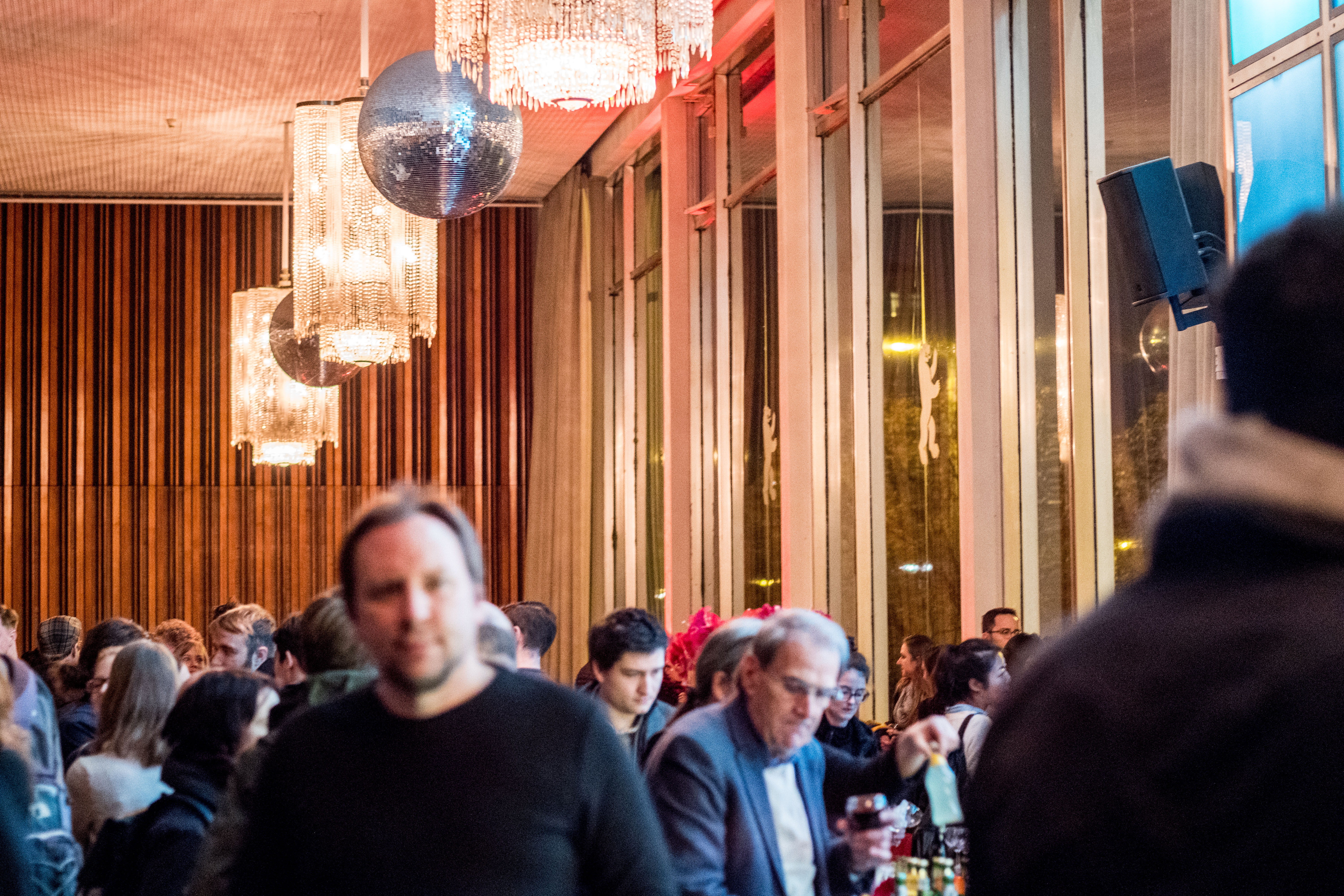
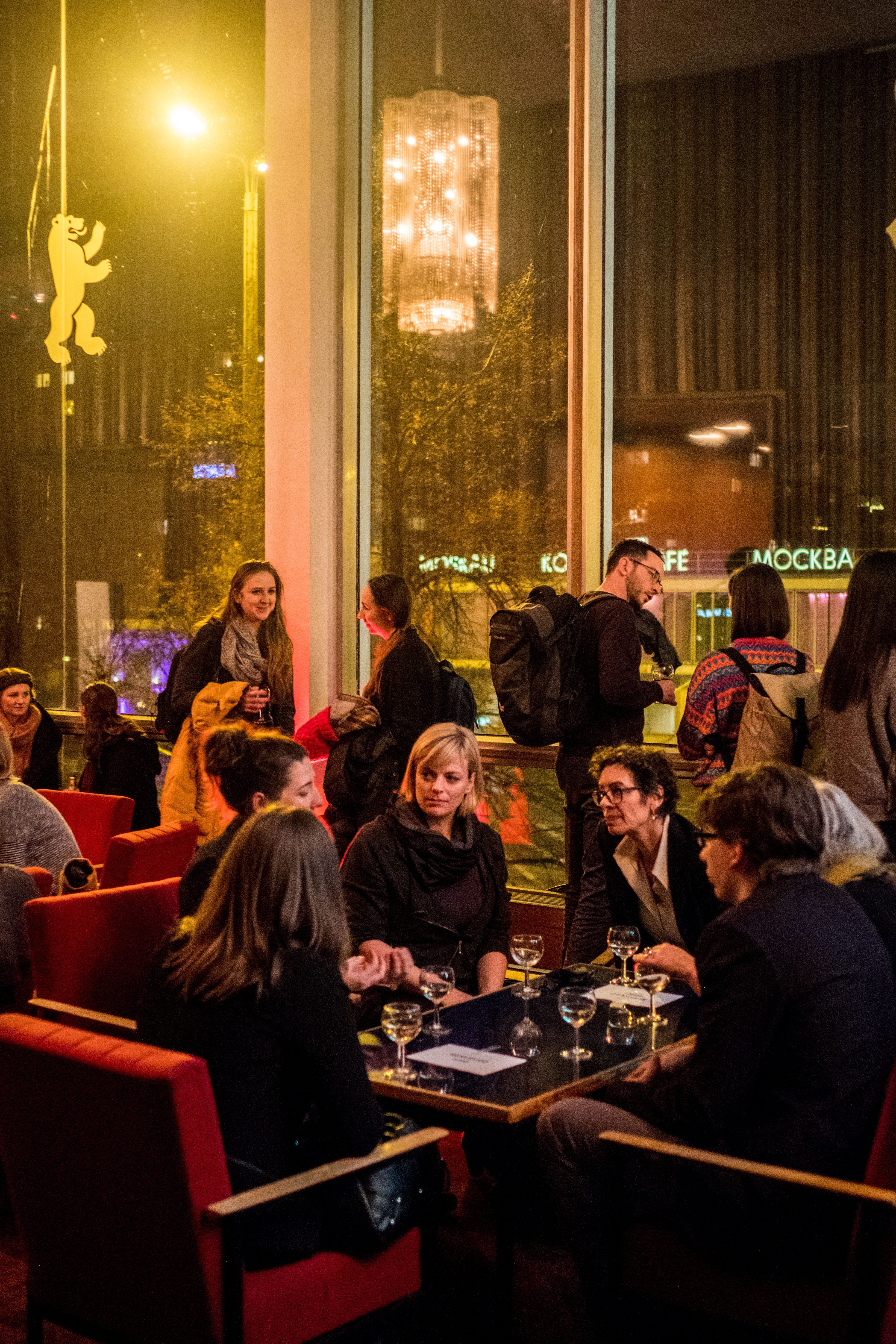
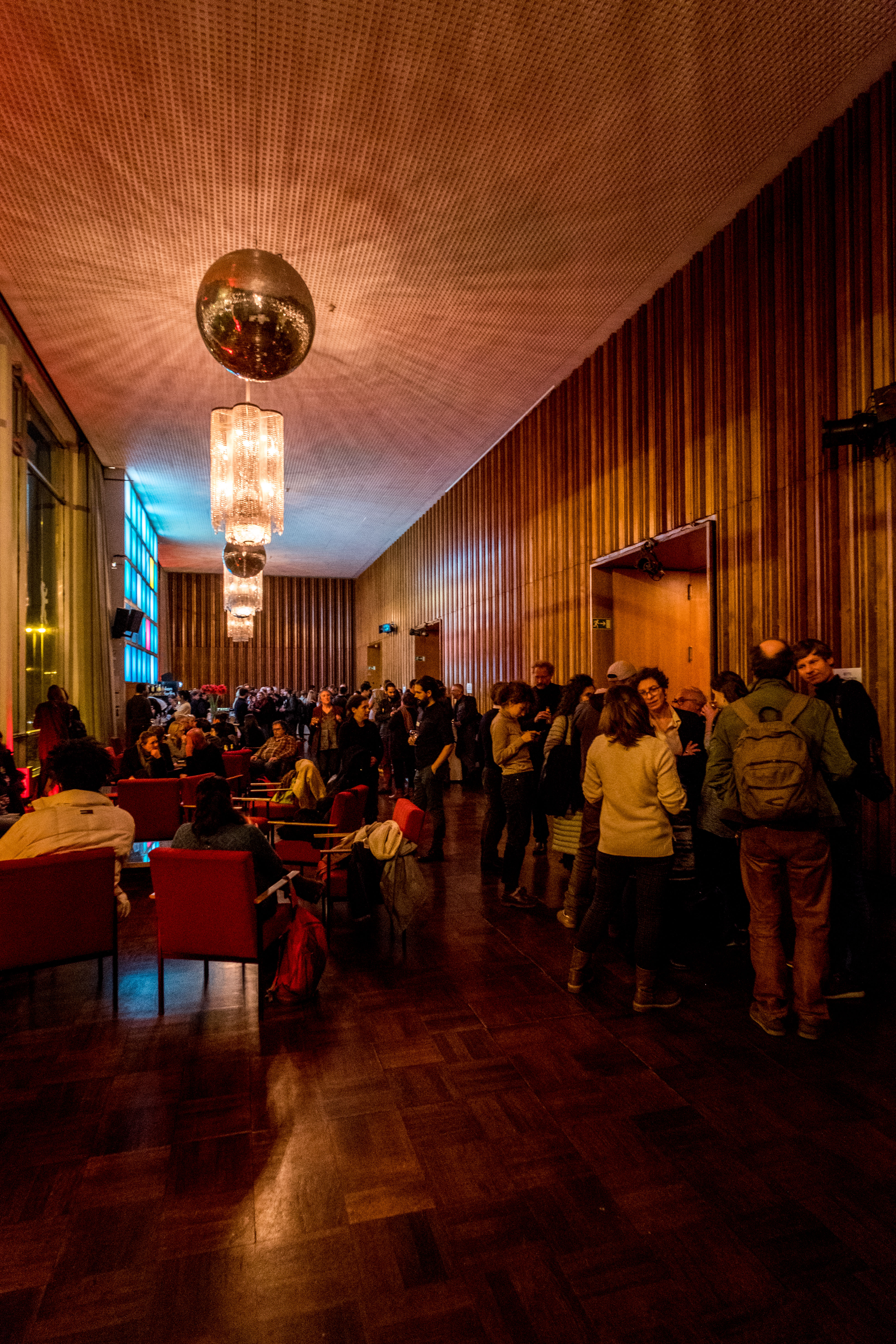

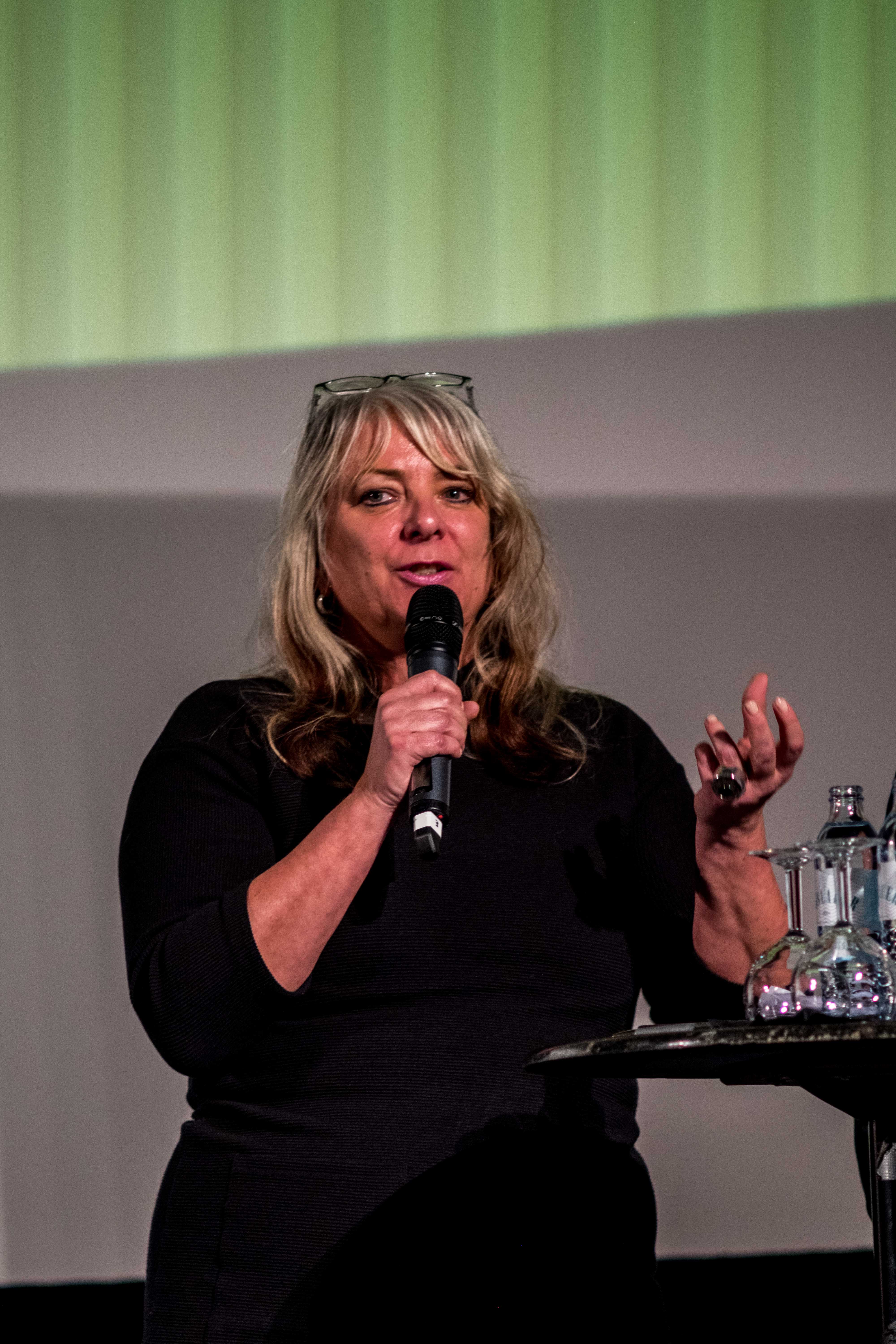
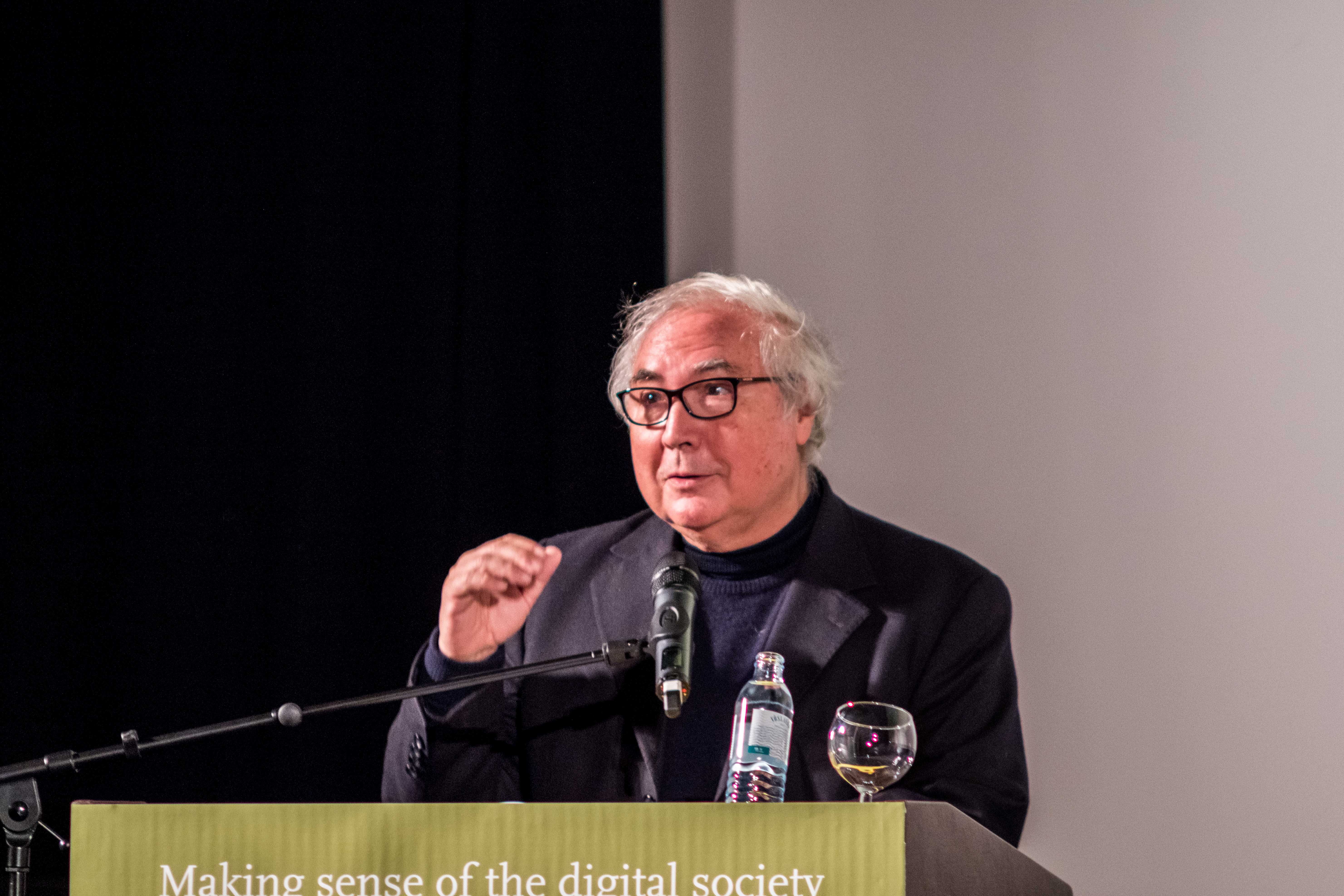
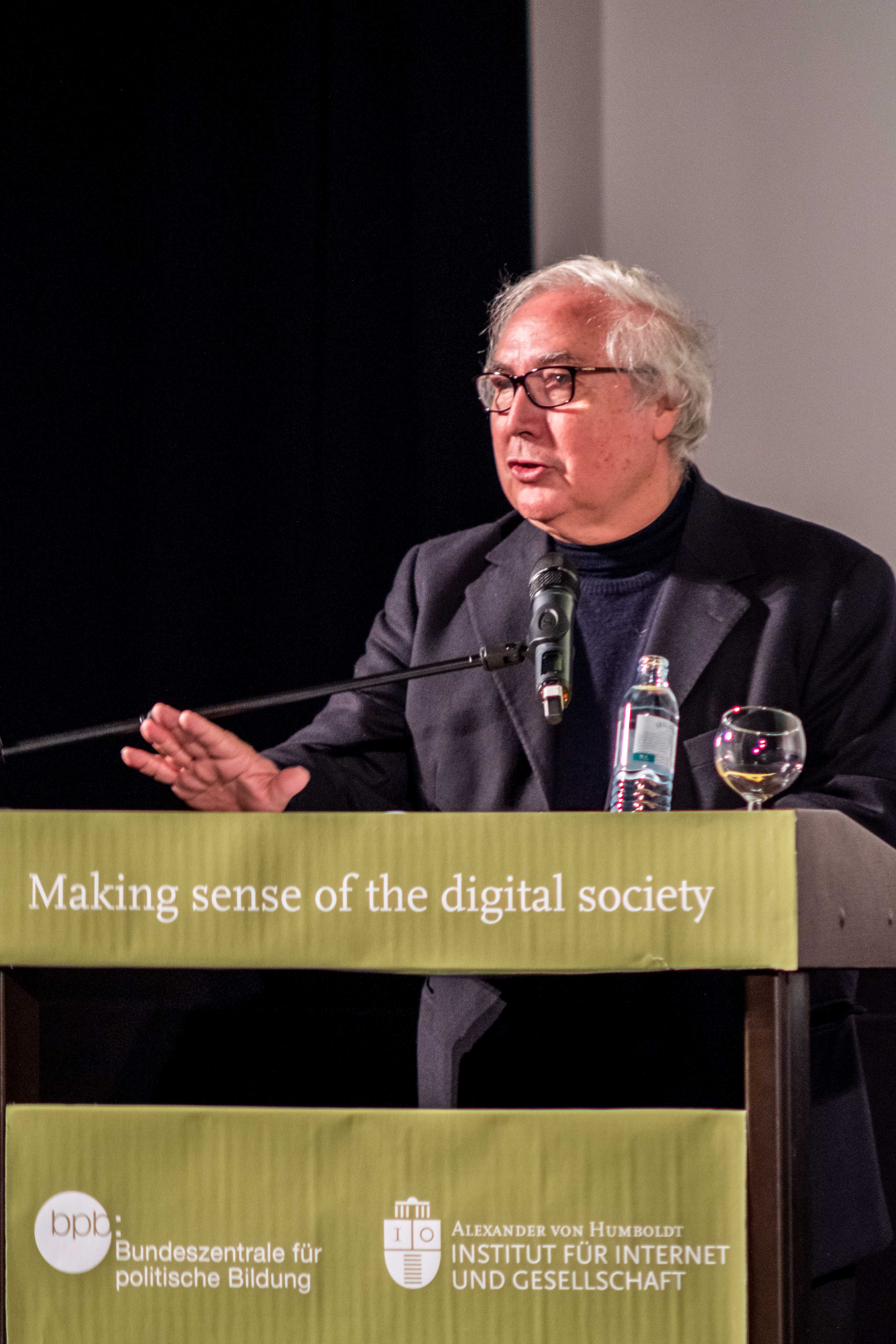
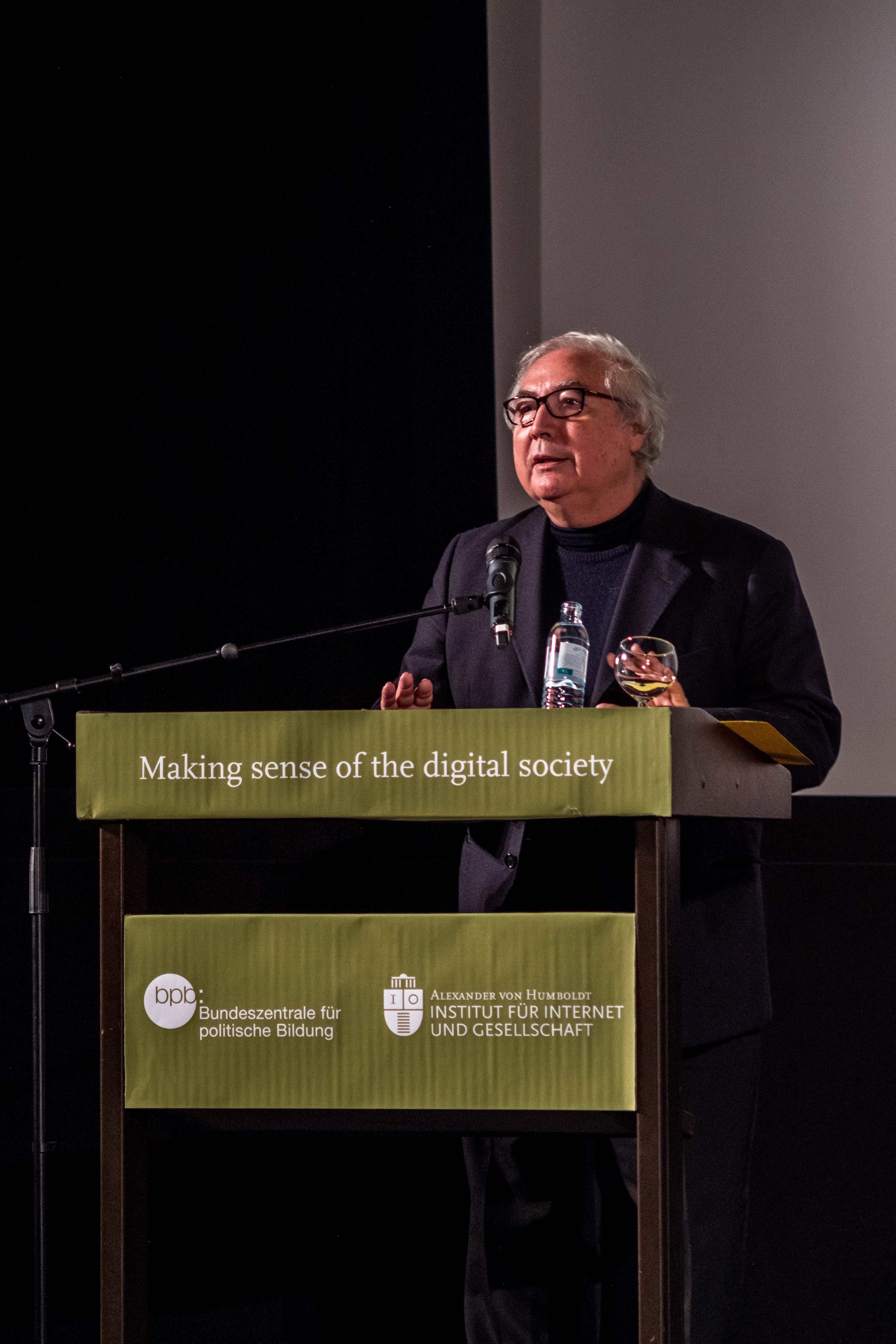
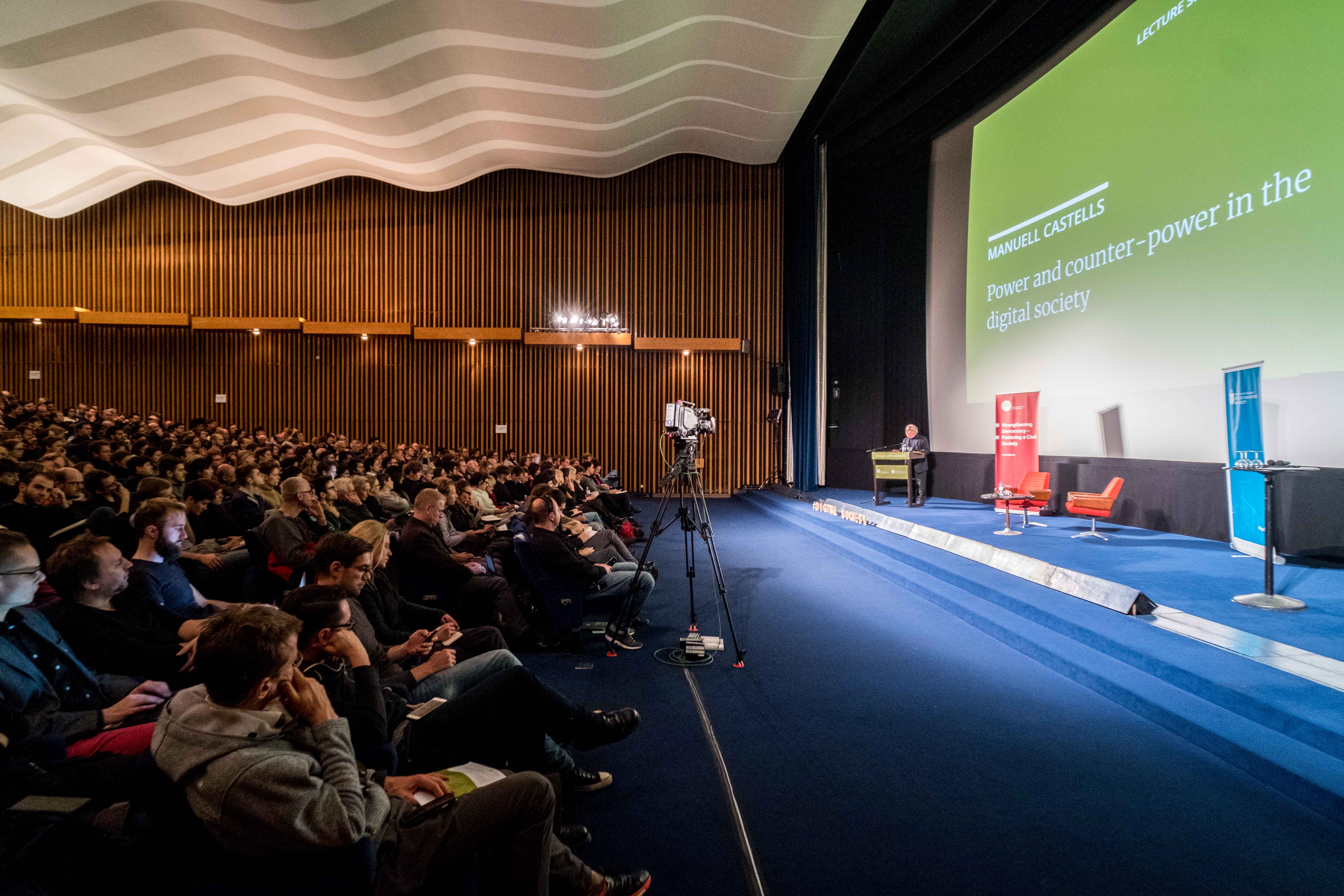
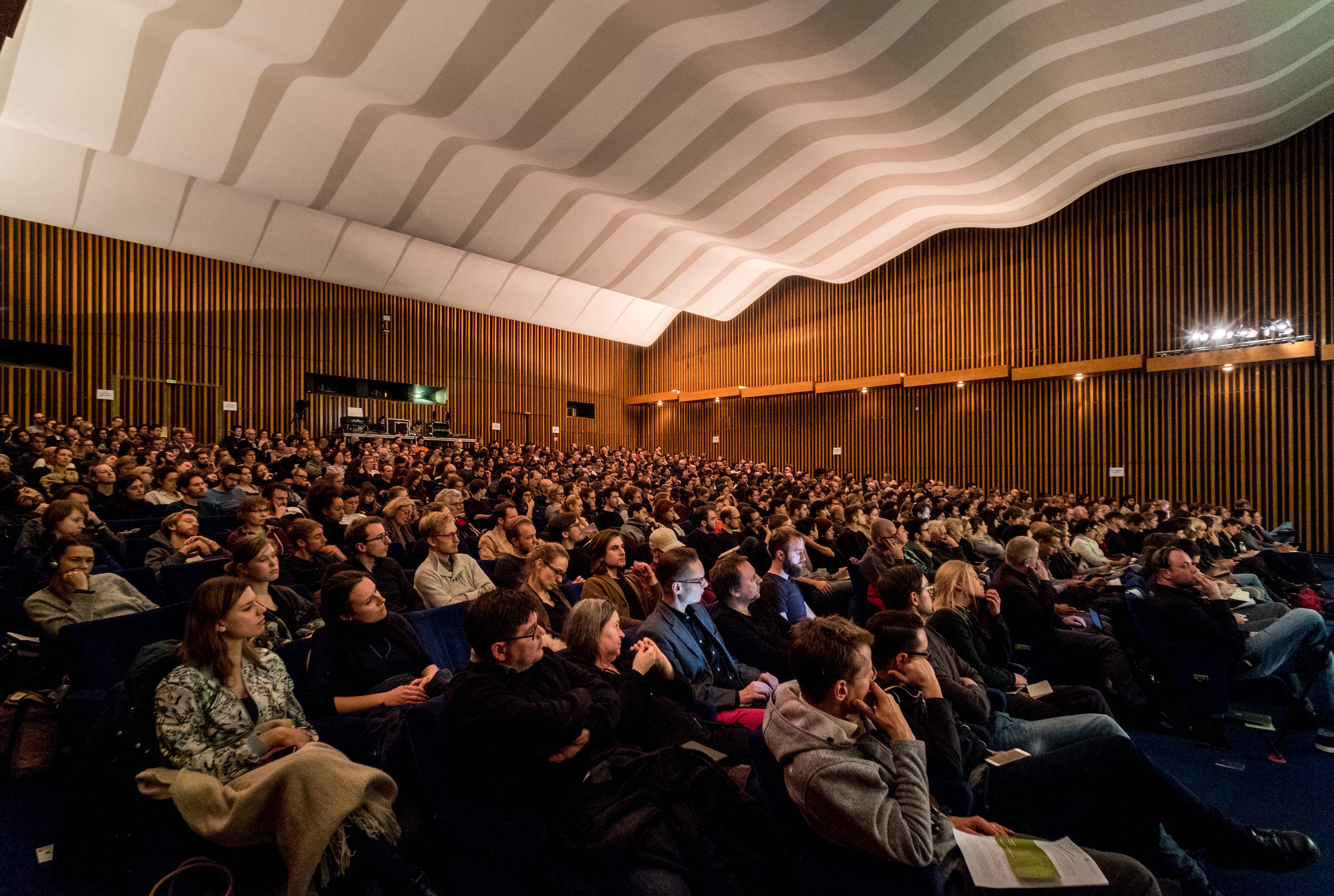
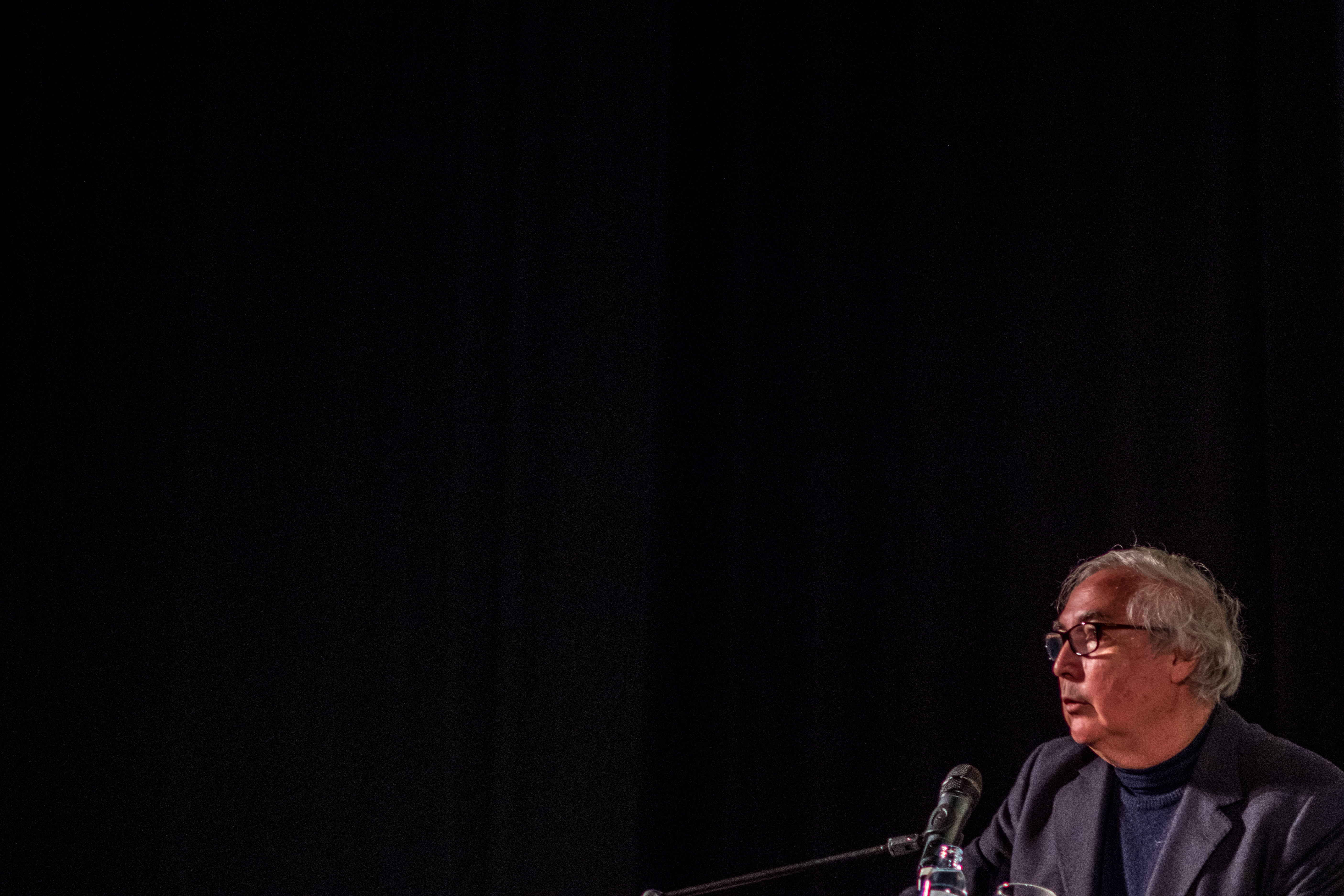
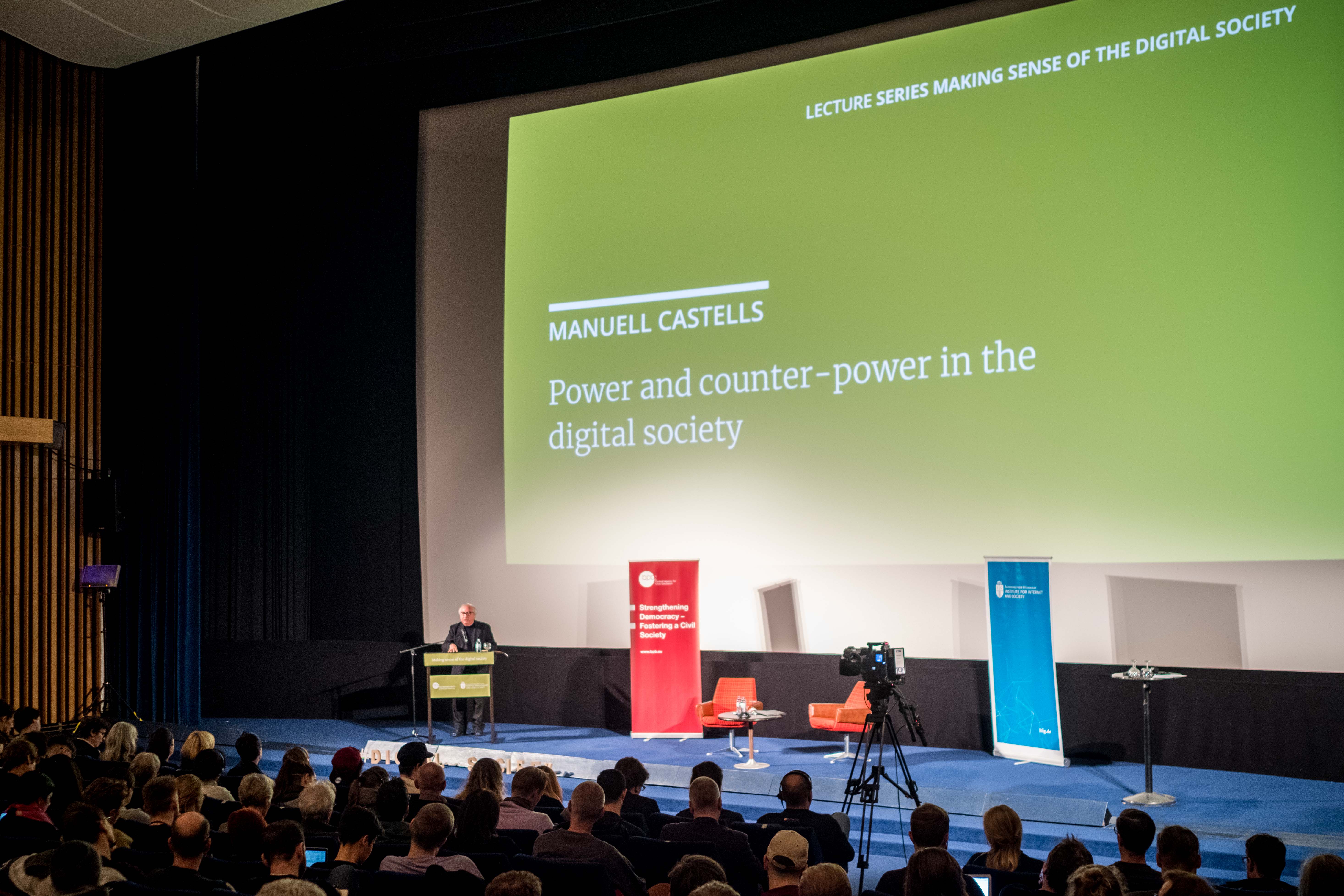
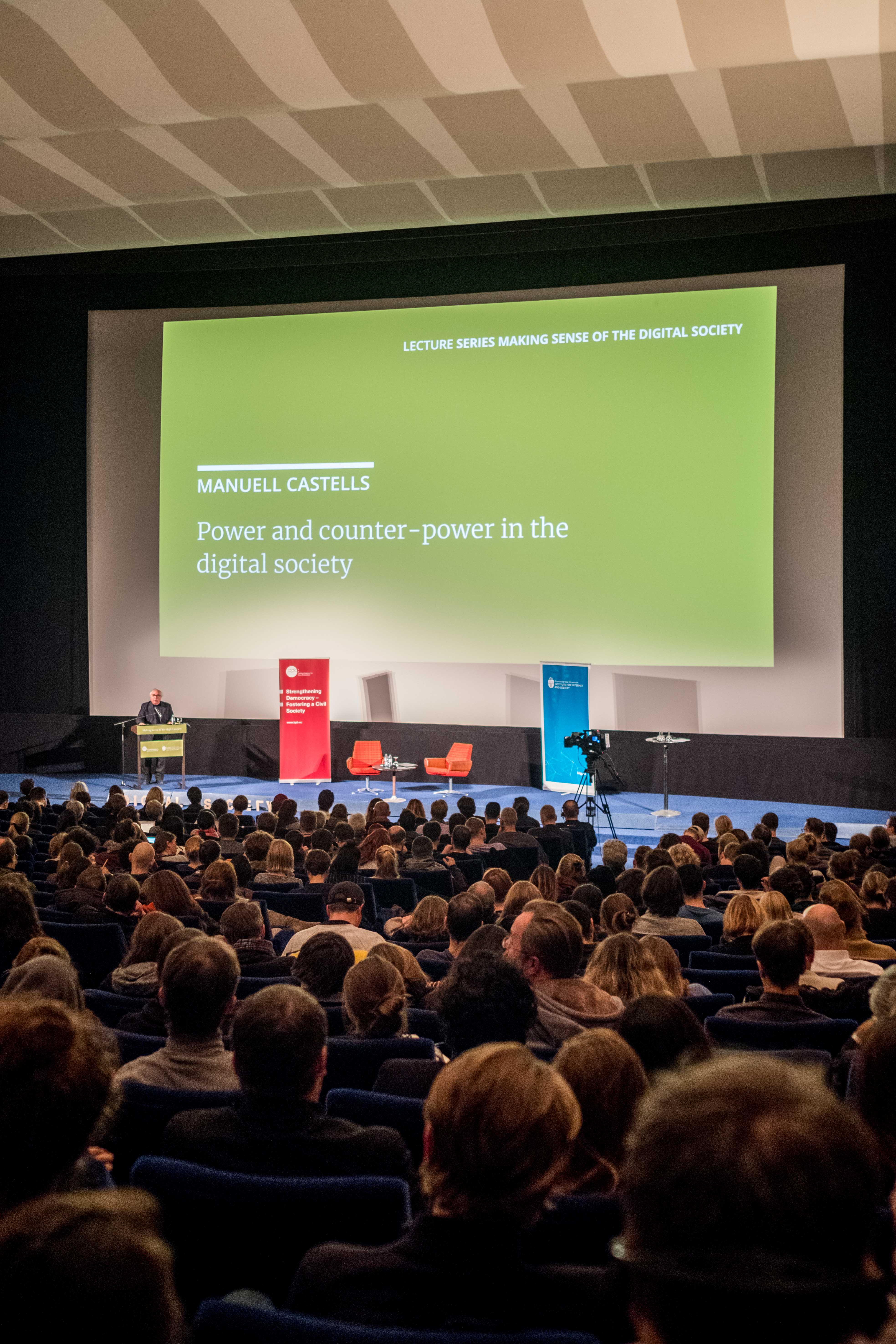
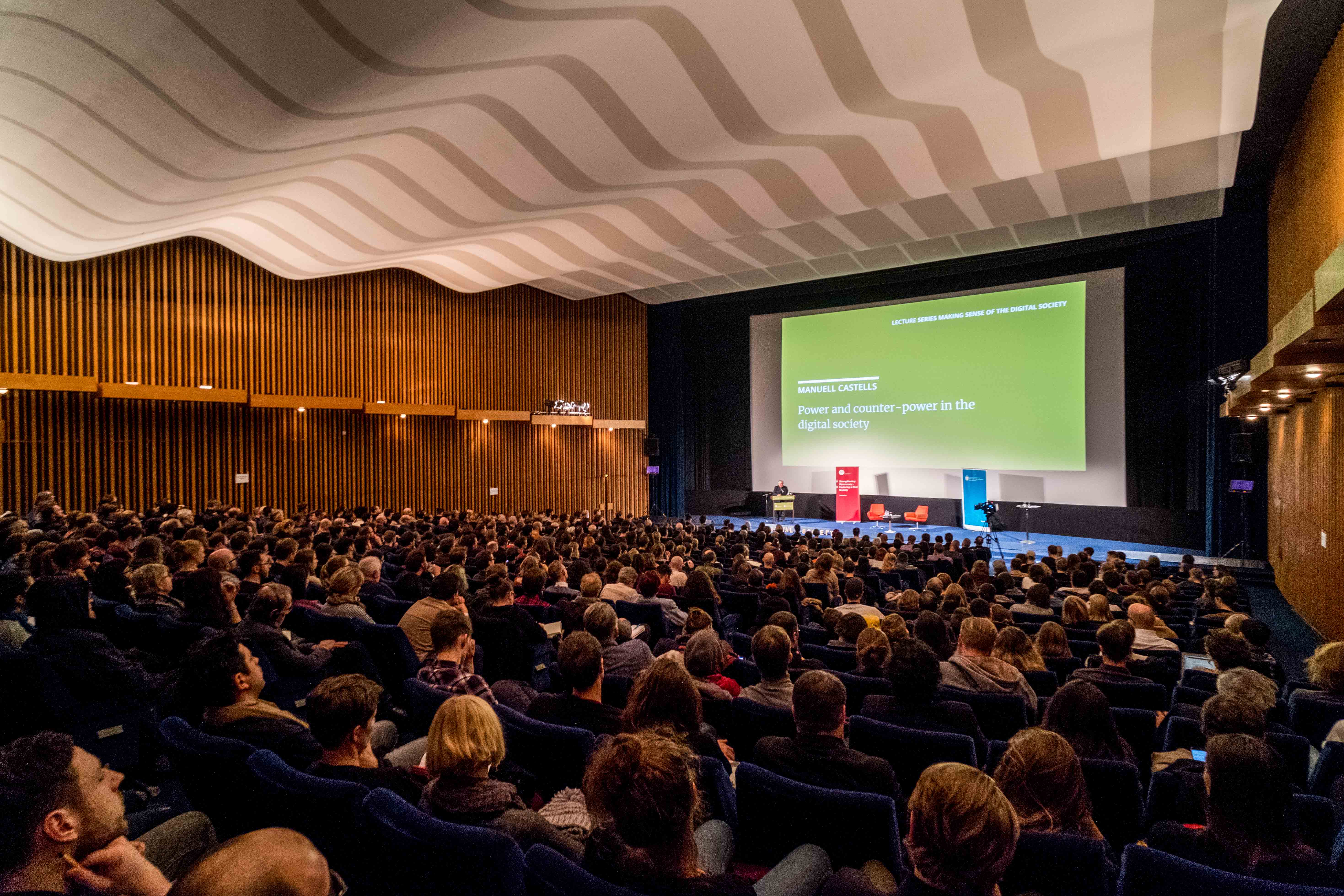


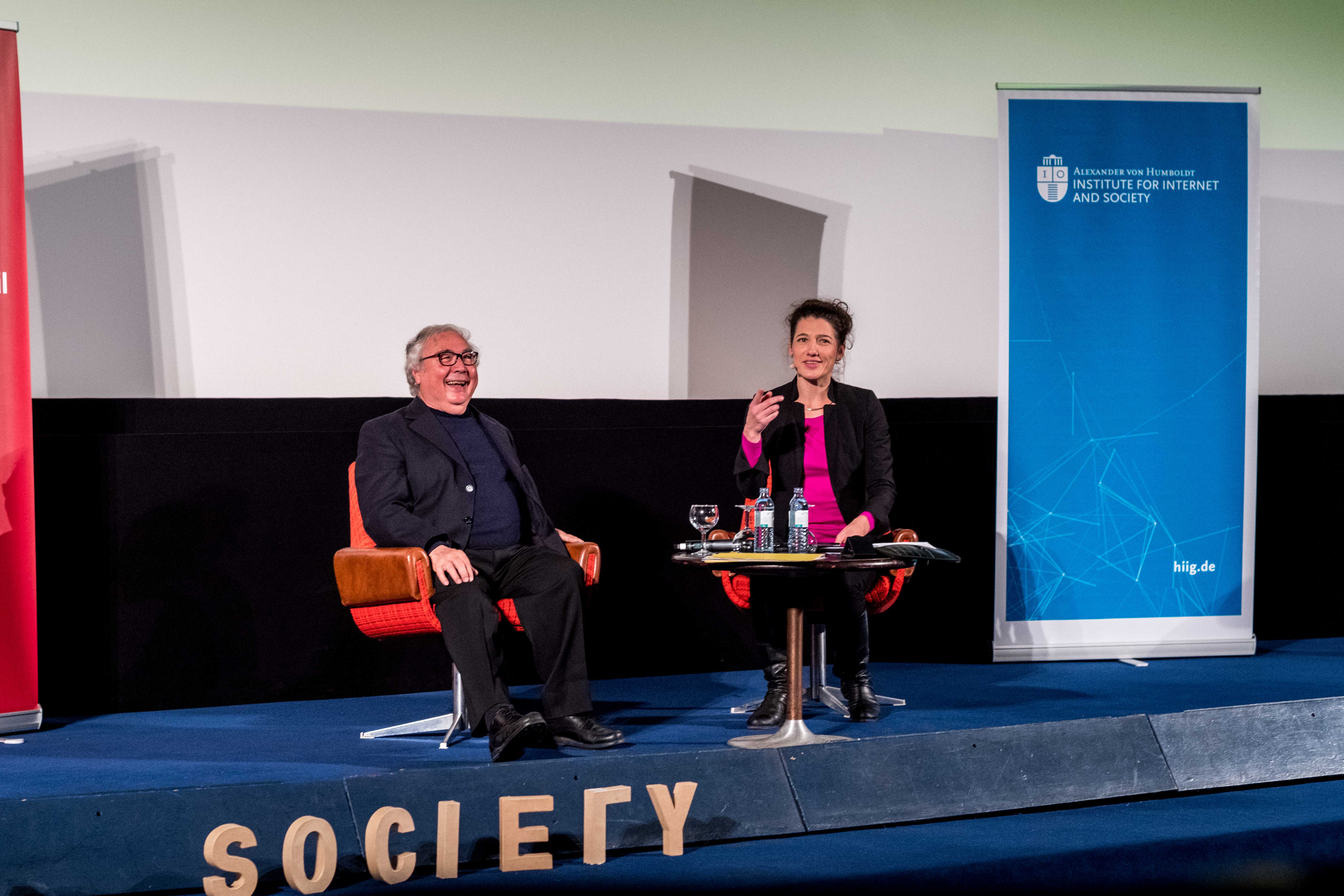
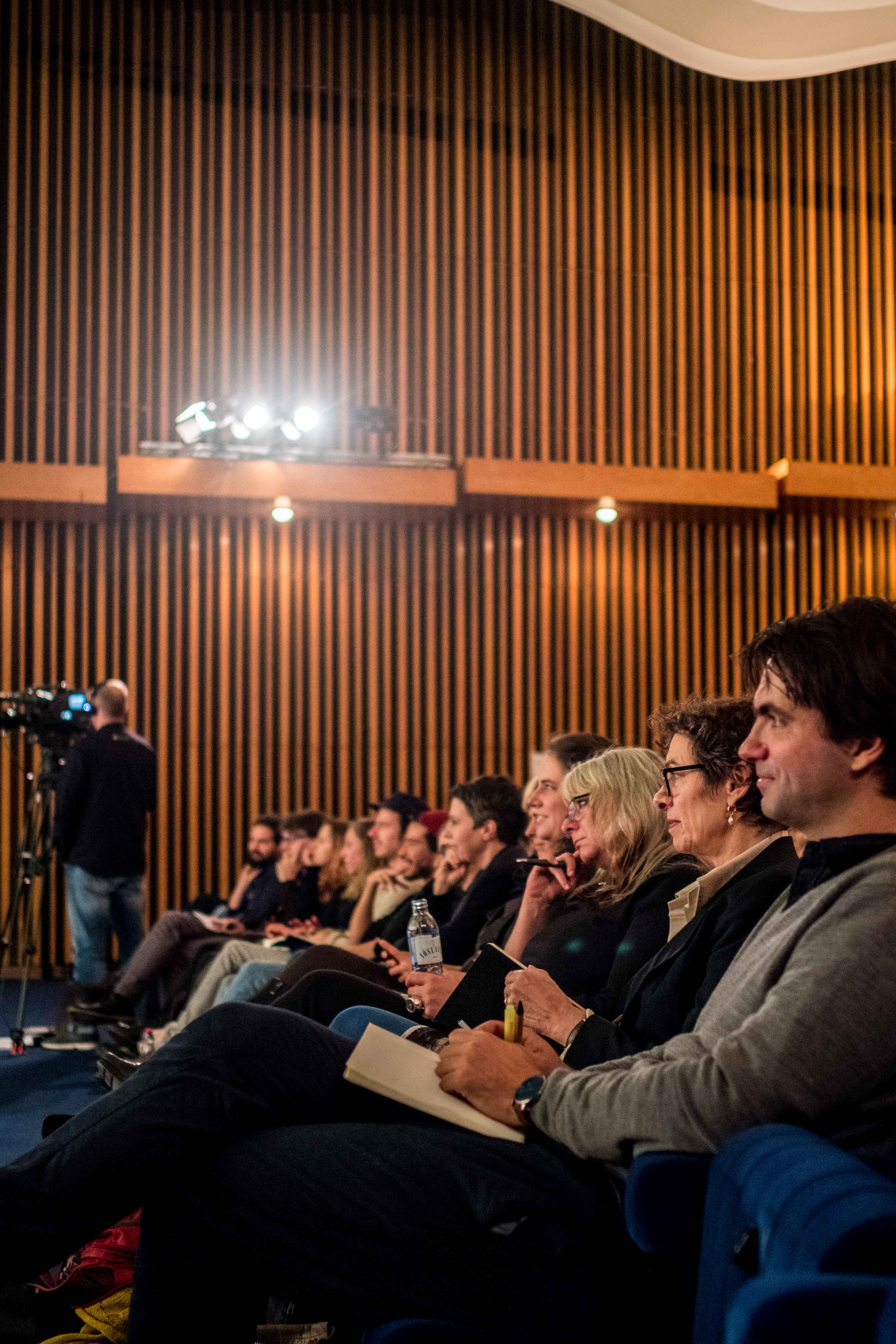
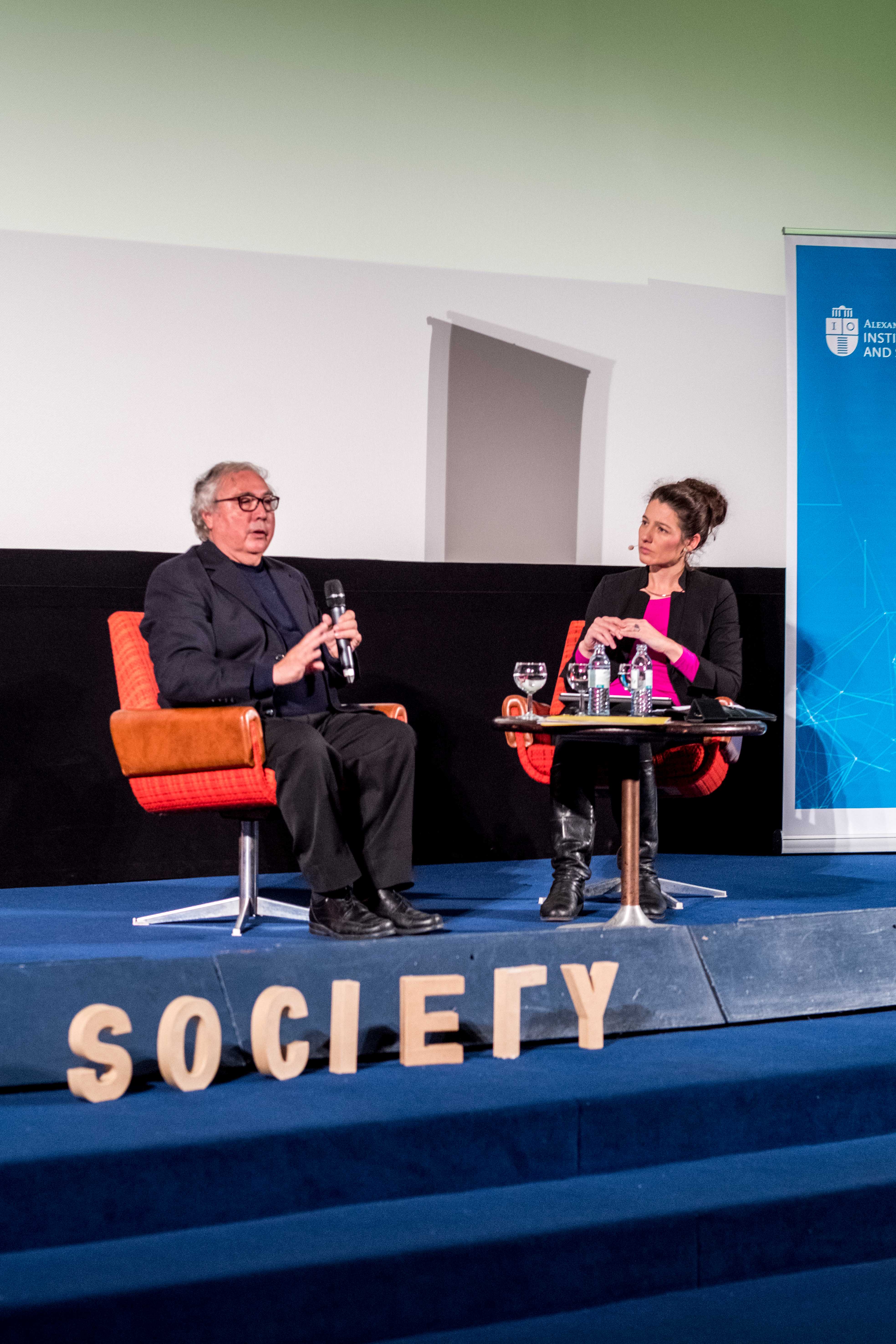
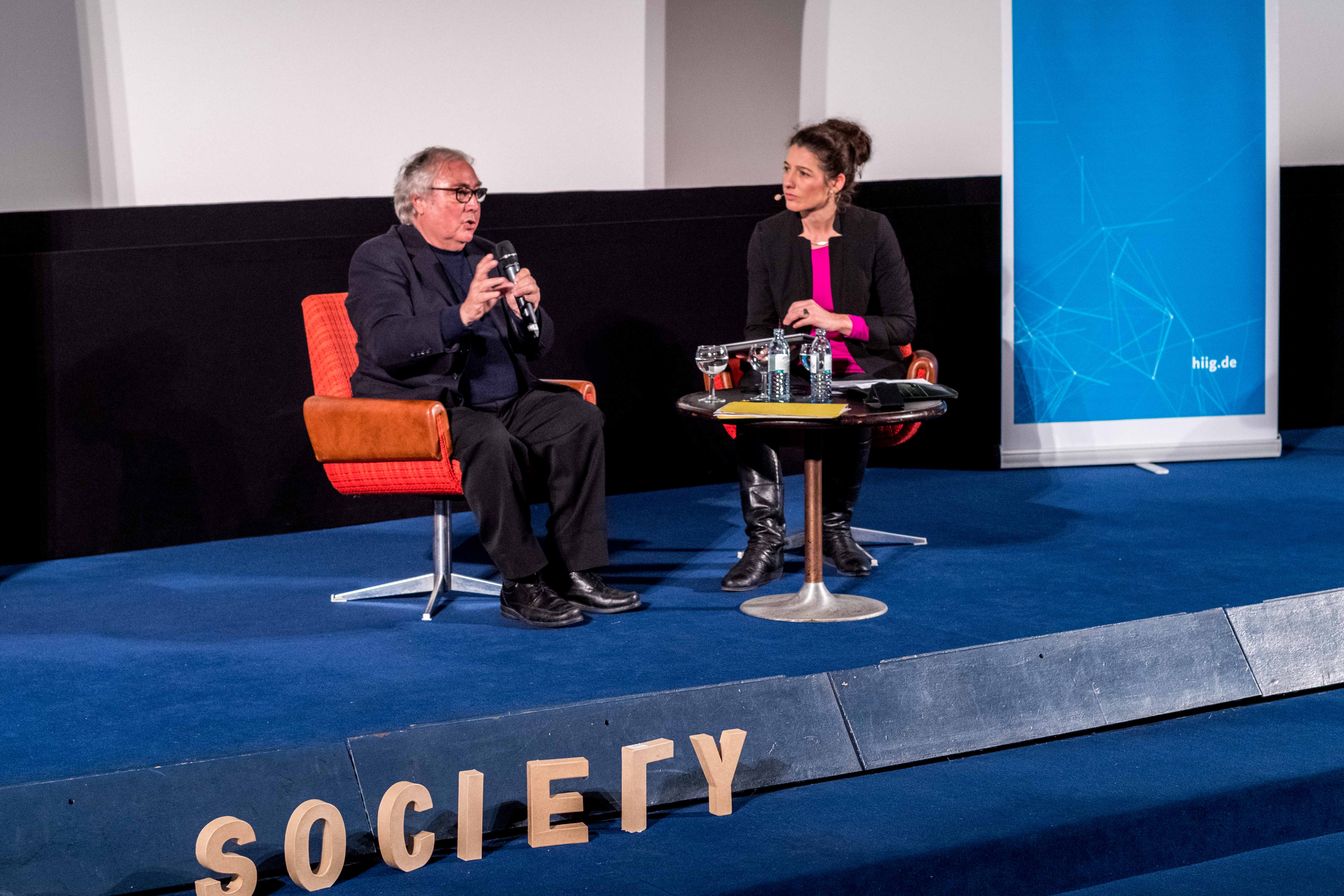
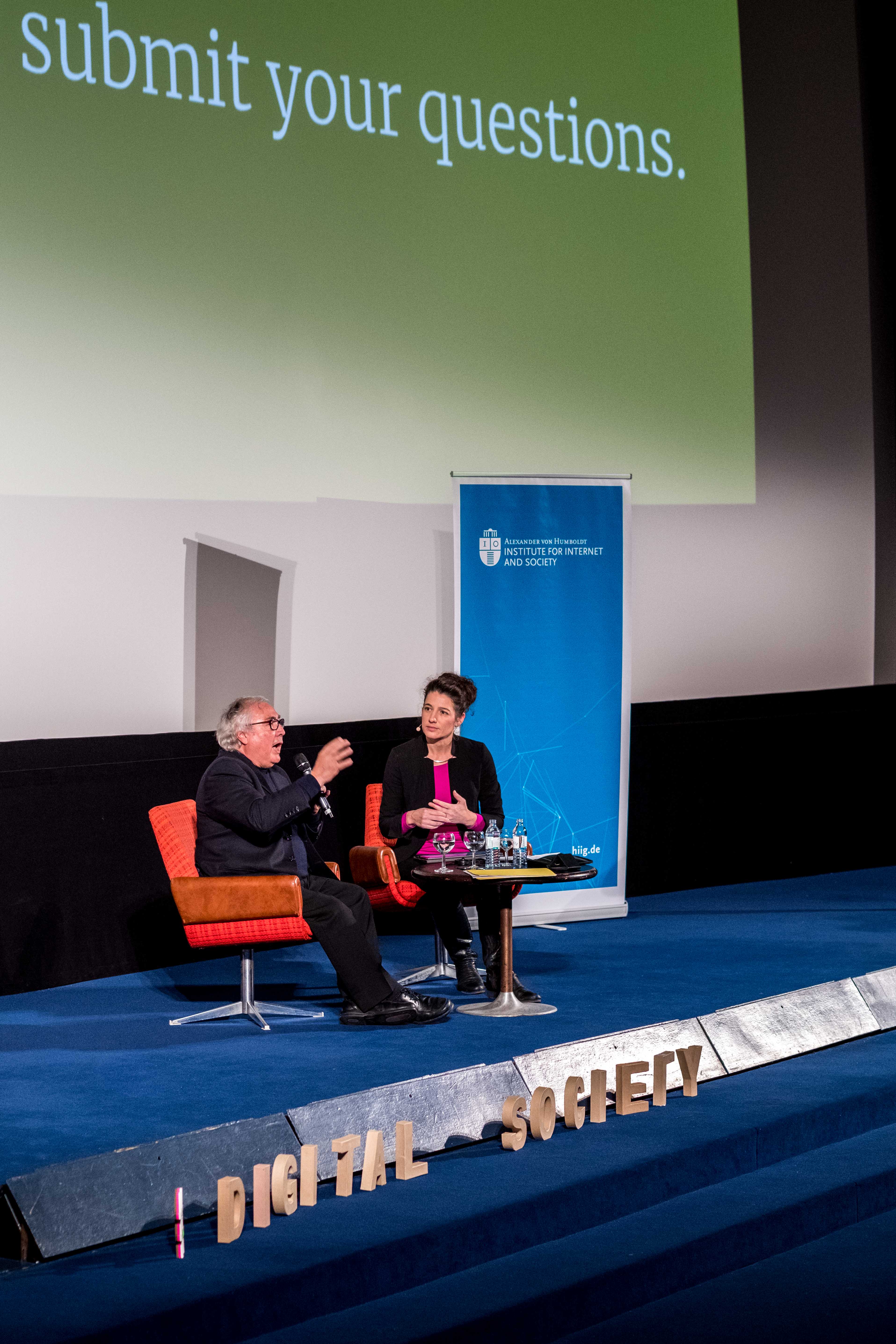
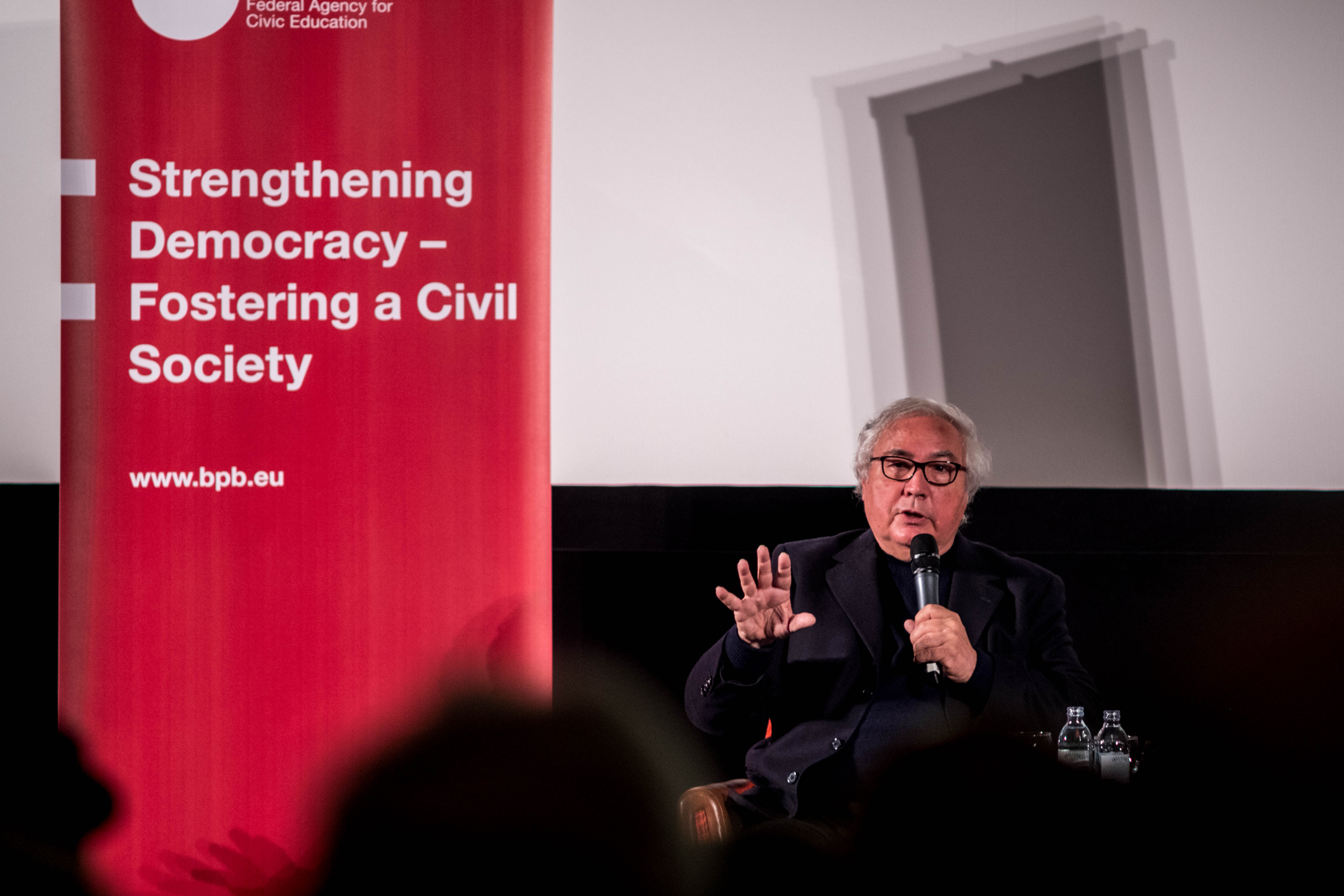
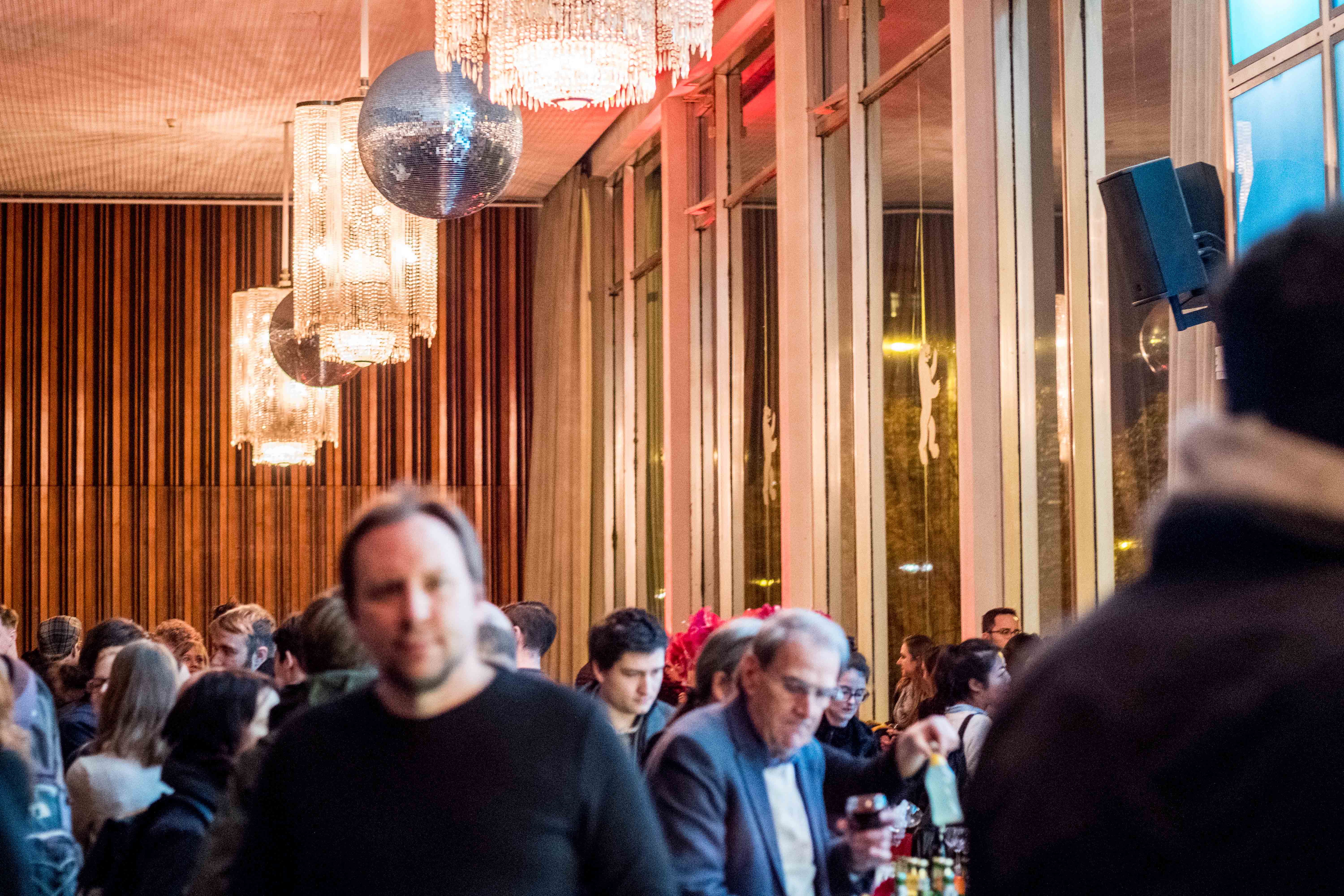
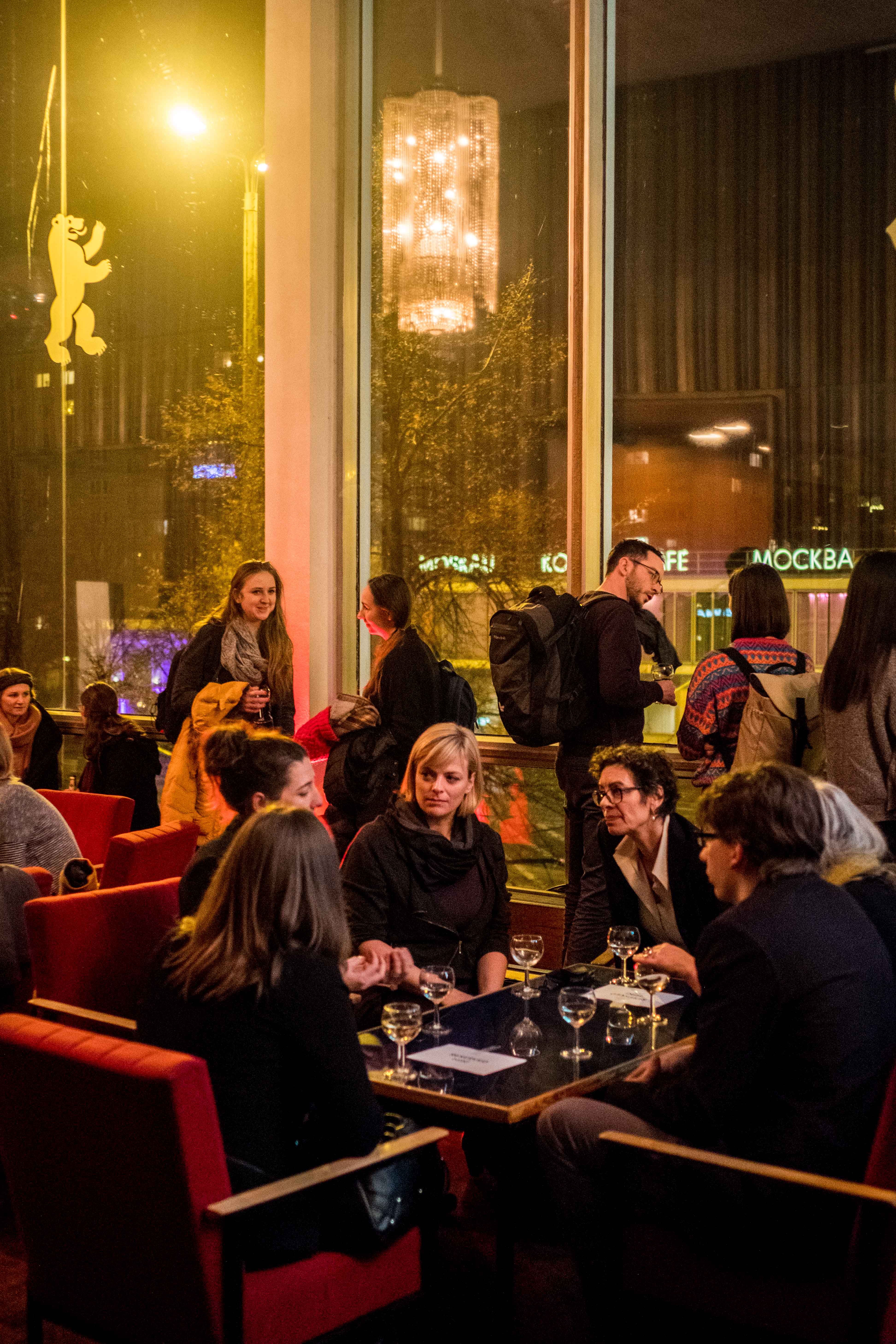
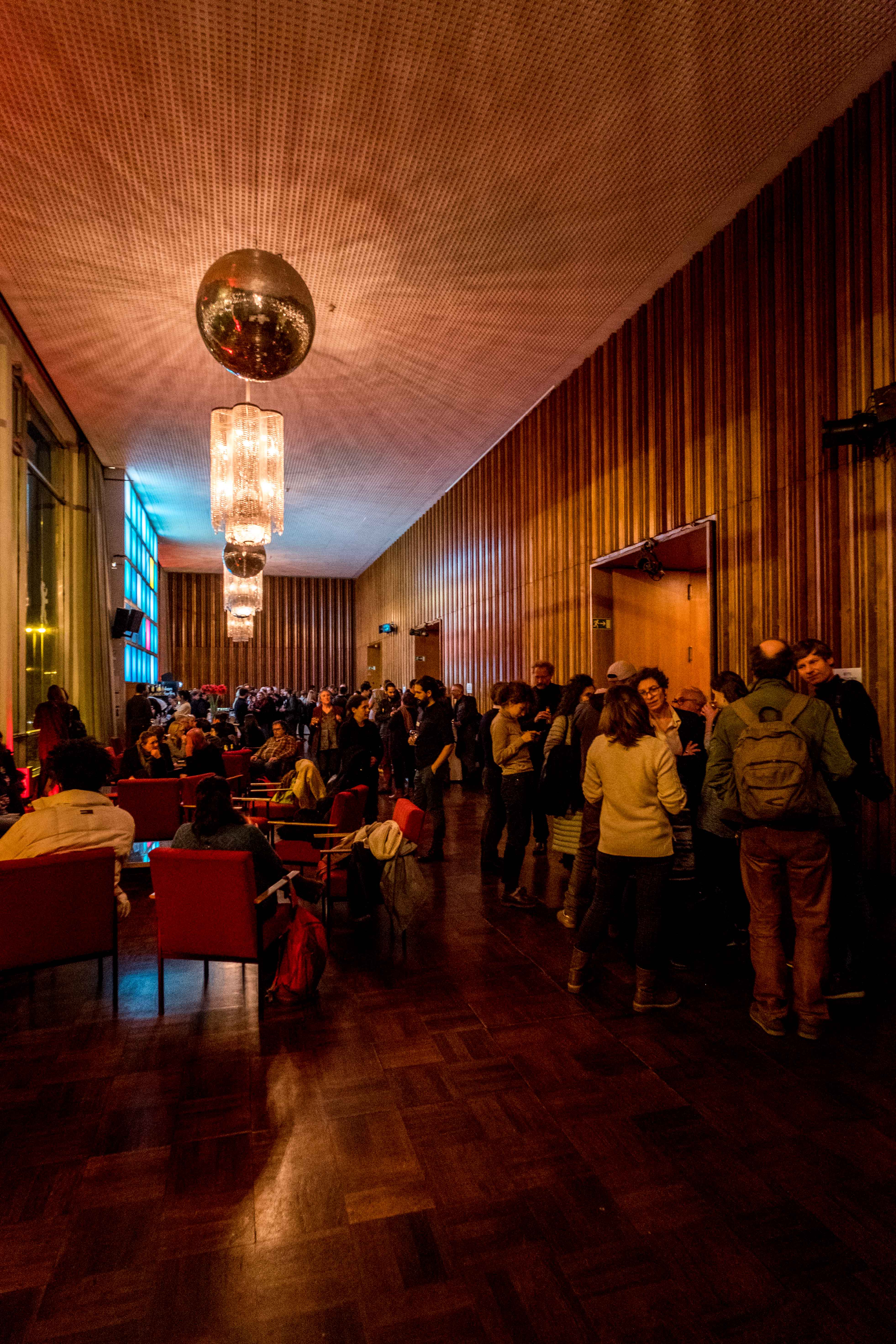
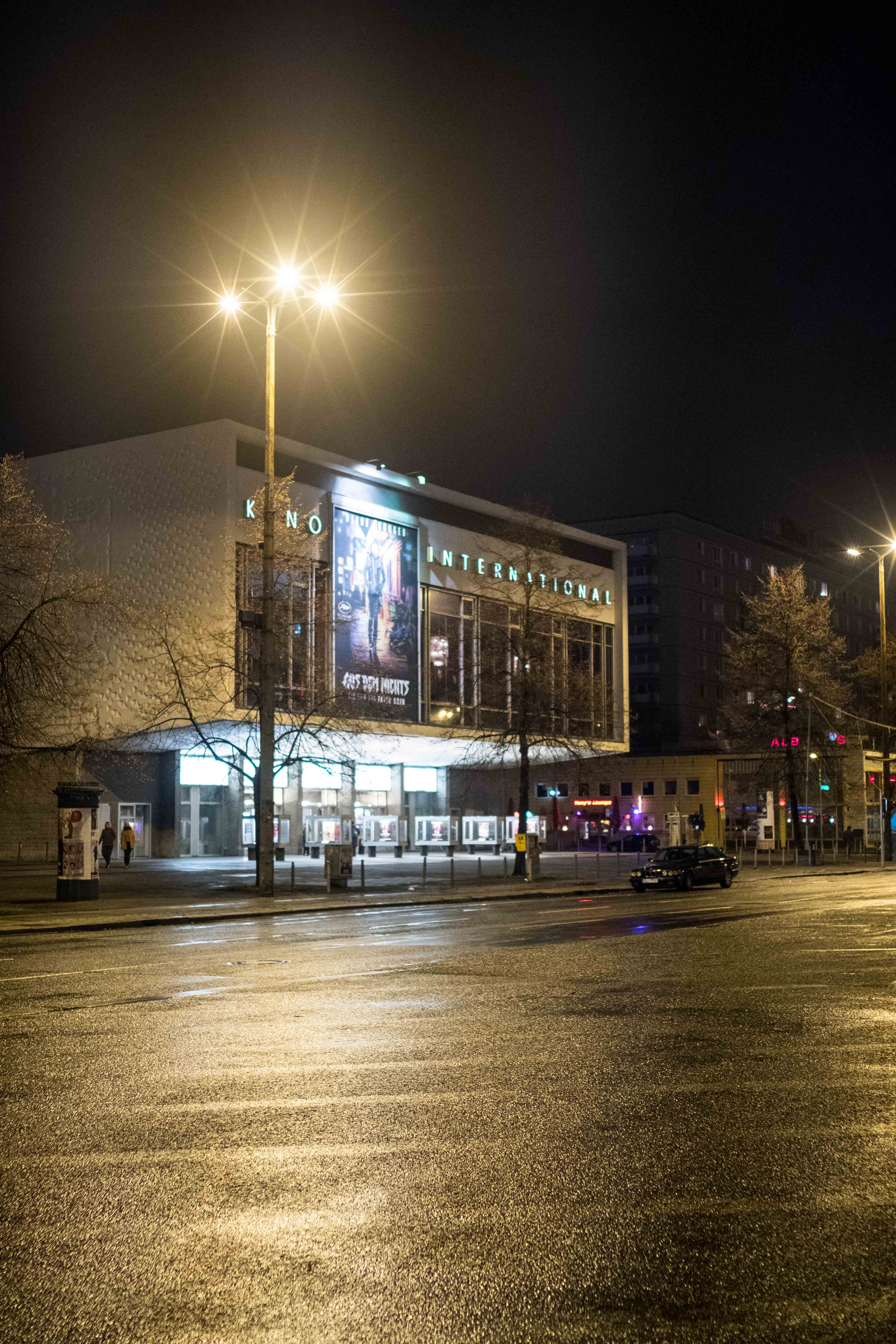
© Photos: Mathias Völzke/HIIG
| Manuel Castells inaugurated with his speech the academic lecture series „Making sense of the digital society“, organised by the Alexander von Humboldt Institute for Internet and Society (HIIG) and the German Federal Agency for Civic Education (Bundeszentrale für politische Bildung/bpb). On 30 January 2018 Christoph Neuberger, Professor for Communication Science at Ludwig-Maximilians-Universität in Munich, will hold a lecture about democracy and public sphere in the digital society. Further confirmed speakers are Marion Fourcade, Professor for Sociology at UC Berkeley, Elena Esposito, Professor for Sociology at University of Bielefeld and University of Modena-Reggio Emilia, and José van Dijck, author of the forthcoming book The Platform Society and president of the Royal Netherlands Academy of Arts and Sciences. |
| This post represents the view of the author and does not necessarily represent the view of the institute itself. For more information about the topics of these articles and associated research projects, please contact info@hiig.de. |
This post represents the view of the author and does not necessarily represent the view of the institute itself. For more information about the topics of these articles and associated research projects, please contact info@hiig.de.

Katrin Werner

A monthly selection of new blog posts and videos by email.

Platform governance
How can the goals of corporations and the values of society be reconciled on online platforms?

Data governance
How can the technical, organisational and regulatory mechanisms of data sharing and use serve the public interest?

Artificial intelligence and society
How can we better understand the complex and reciprocal relationship between AI systems and social processes?

Digitalisation and sustainability
How can technology be used responsibly, taking into account social, economic and ecological dimensions?

Digital future of the workplace
How will digital organisation, digitalisation, and AI in the workplace transform the world of work?