
Exploring scientific advice for local politics in Germany: the critical role of quasi-scientific actors

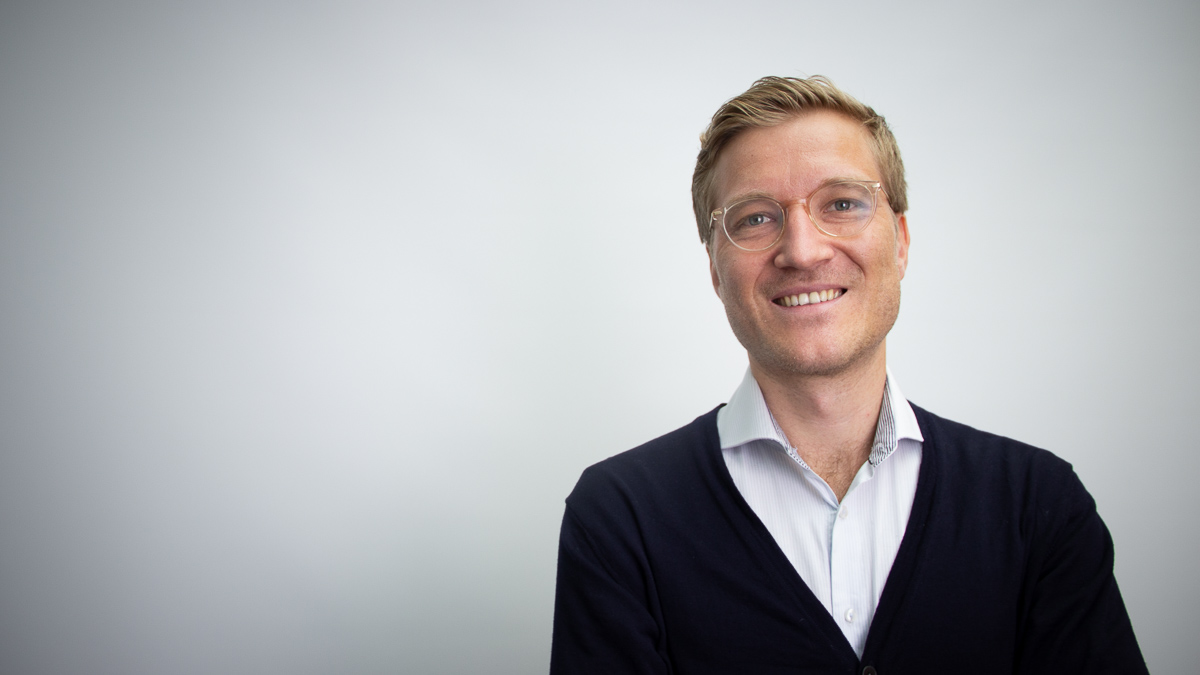
Benedikt Fecher, Dr.
Associated Researcher: Democratic Change and Knowledge & Former Head of Research Programme: Knowledge & Society

Nataliia Sokolovska
Senior Researcher: Democratic Change and Knowledge | Head of Research Programme: Knowledge & Society
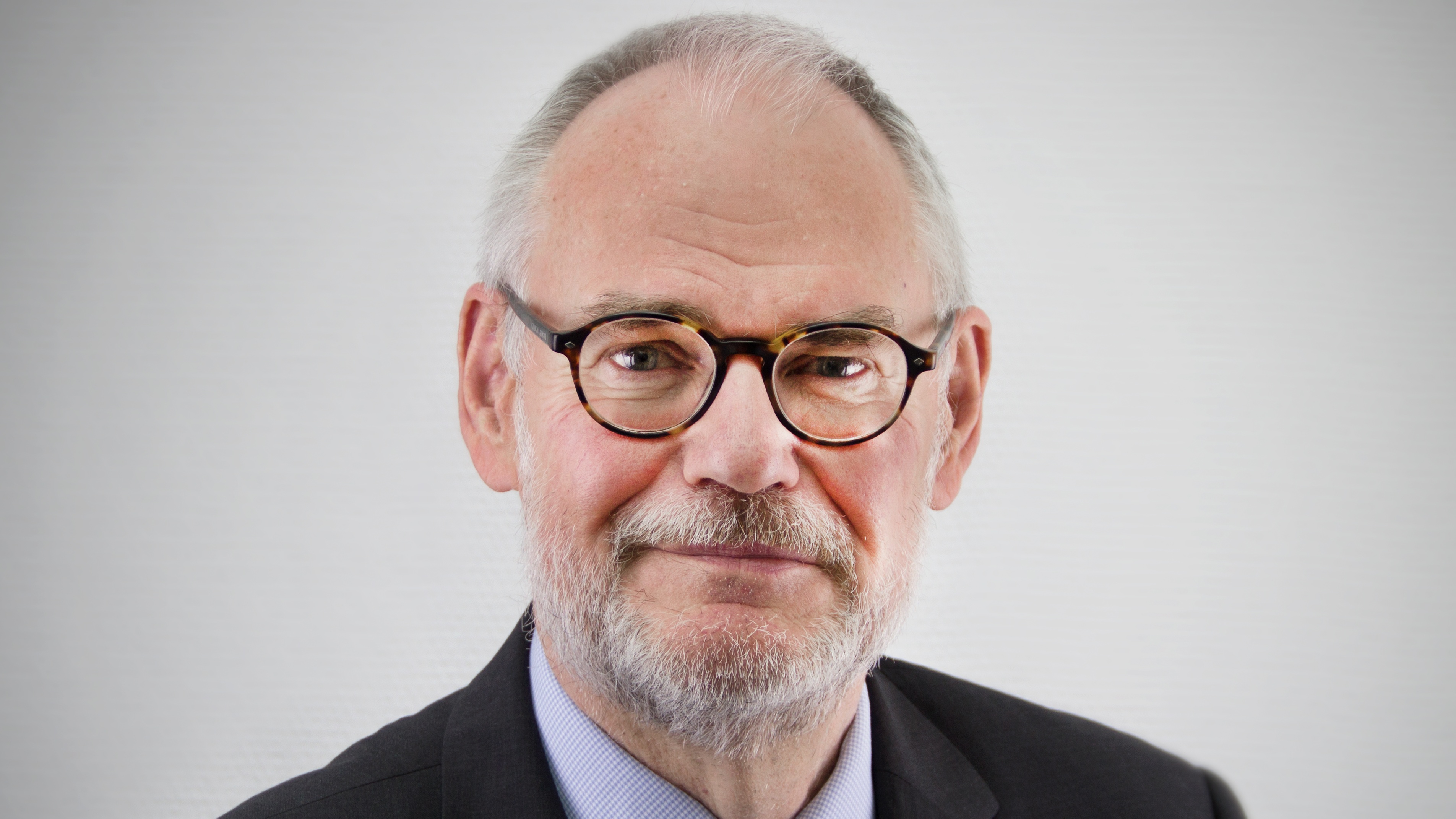
Gert G. Wagner, Dr.
Former Associated Researcher: Knowledge & Society

Featured Topics
HIIG is currently working on exciting topics. Learn more about our interdisciplinary pioneering work in public discourse.