
twentyfifty: Utopias for a democratic society
There is no shortage of diagnoses of democracy's crises, but knowledge-based visions of a future that works are scarce. This is where twentyfifty comes in: researchers from different disciplines and countries translate their findings into literary narratives of the future, such as short stories, dialogues or theatre scripts, that show what democratic life together could look like in 2050. Democracy is not a fixed construct but an evolving practice, a negotiation in constant flux. twentyfifty therefore invites researchers to use their expertise not to analyse the present or the past, but to imagine the future.
This is not a thought experiment. It is a research-based act of imagination with a single requirement: the vision must be rooted in scholarship, yet utopian in its ambition. twentyfifty therefore challenges participants to step outside their usual academic way of working and translate their research findings into a story. Storytelling opens doors that a journal article cannot. Readers of such stories do not merely understand. They think and feel along with them, or push back. Utopias, then, are not an escape from reality but an instrument of democratic understanding. They also create something that seems to have grown scarce in fragmented public spheres: shared visions of the future.
Nataliia Sokolovska, Dr.

Democratic Change and Knowledge
Our research examines the interplay between knowledge and science and their role in democratic self-determination. It focuses on the risks of epistemic crises and on strategies for resilient democratic processes in digital societies.
The five clusters follow central, overlapping areas of social life and so mark key tensions within democratic societies. Together, they show how broadly democracy can be renegotiated by 2050. This concerns not only how we govern, but also how we live, learn and work, and how we keep ourselves safe.
Living, belonging and community
How will we live together in a digitalised world? Who gets to shape our neighbourhoods, and who decides which idea of community counts?
Governing, participation and public administration
How do we decide together when political power shifts and trust in institutions erodes? Who takes part, who is heard?
Work and purpose
How do we decide how automation and AI will reshape work and trade? Who creates value, who finds meaning, and who gets to negotiate the terms of a new social contract?
Knowledge and learning
How do we make sense of a world in constant change? What role do schools and universities play when knowledge is available everywhere? Who has access, who decides what counts as knowledge, and who is left out?
Security and freedom
How can democratic societies protect themselves without betraying their own principles? Who draws the line between security and freedom?
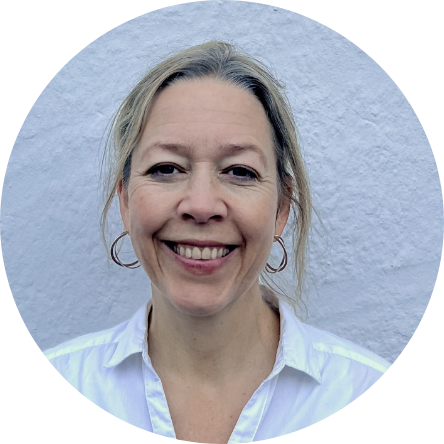
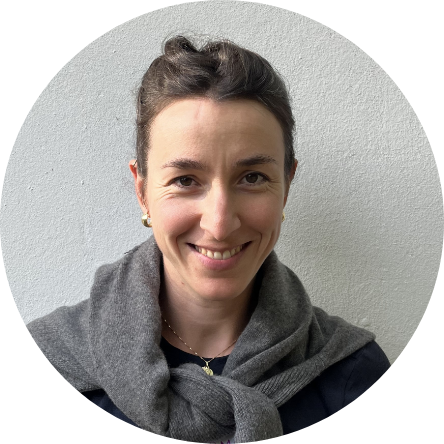
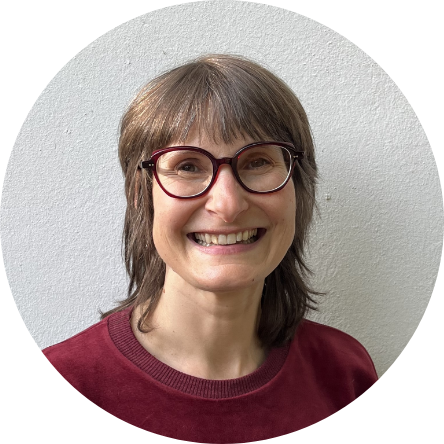
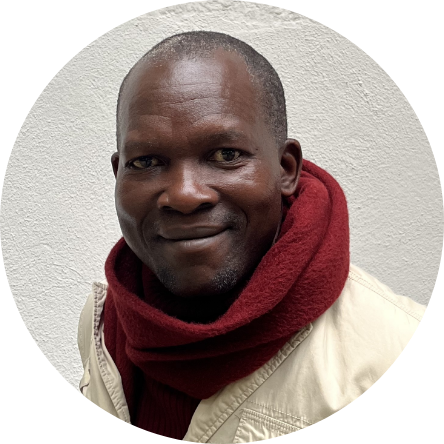
Selected authors







Roadmap to the future
In search for utopias
A total of 89 valid entries were received from 33 countries and all inhabited continents. Fourteen authors from fifteen countries and five continents were selected by a jury to further develop their stories at the writing retreat.
Shaping the stories
From 7 to 10 October 2026, the authors will gather in or near Berlin for the Writing Retreat. Together with professional storytelling coaches, they will turn their ideas into complete stories.
Stories in dialogue
The final stories will be published and brought to life through further formats and public events.
Every story in twentyfifty answers the same question: What kind of democracy do we want to live in? Here you'll find the call that started the journey to 2050.
From 2040 to 2050
twentyfifty builds on the project twentyforty, in which researchers from ten countries wrote stories about the digital future. twentyfifty changes the focus: It asks what kind of society we want to build with it.
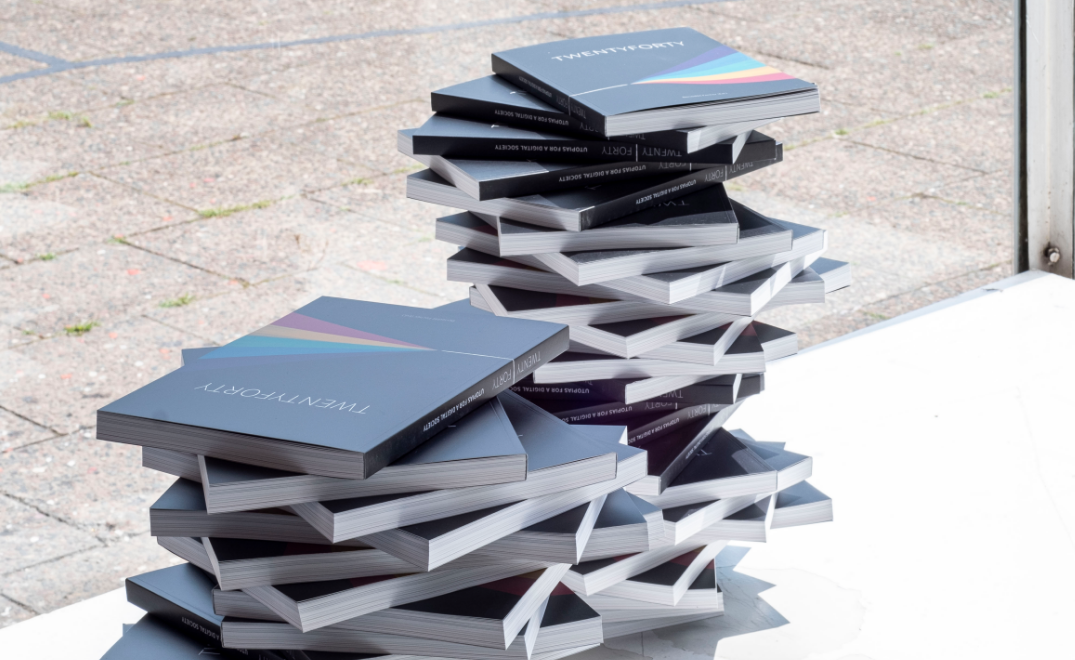
Thirteen stories from 2040
Thirteen researchers imagined how we will love, live, learn, work and govern in 2040.
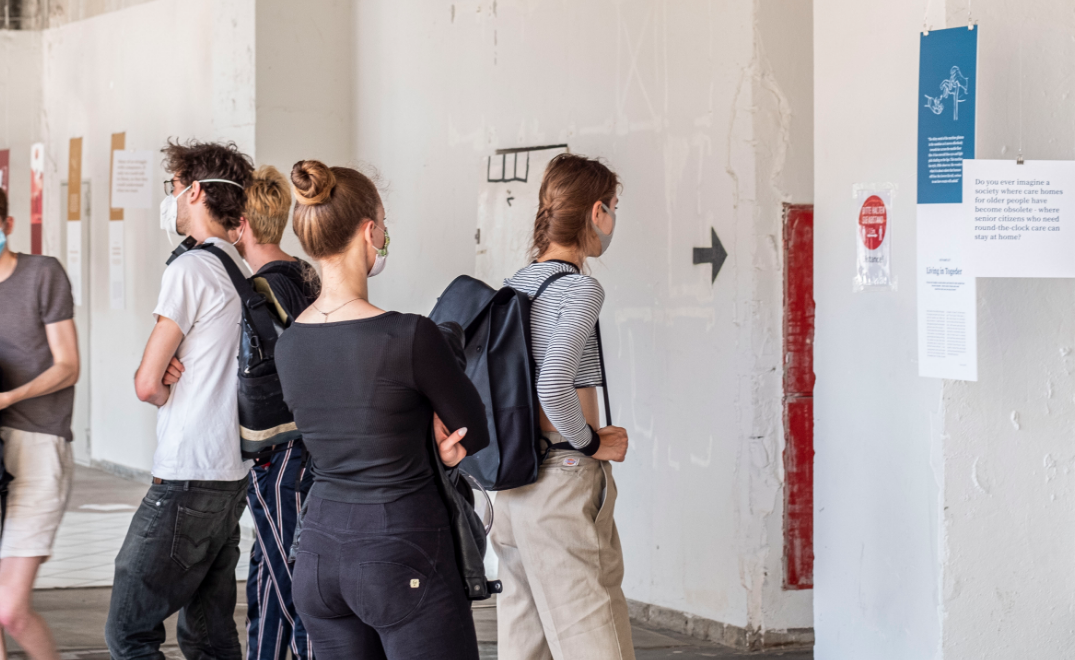
Stepping into twentyforty
In July 2020, the stories moved into an exhibition in Berlin, with excerpts, illustrations and audio-visual experiments.
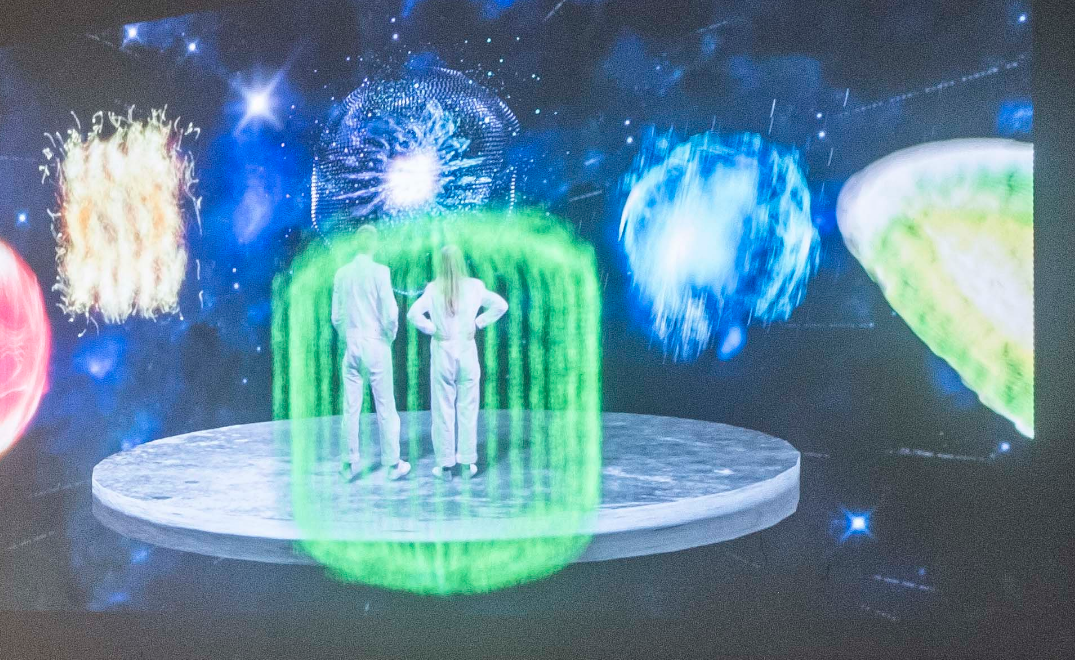
Utopias in motion
The stories became a miniseries: 15 episodes that work on their own or together as a 45-minute film.
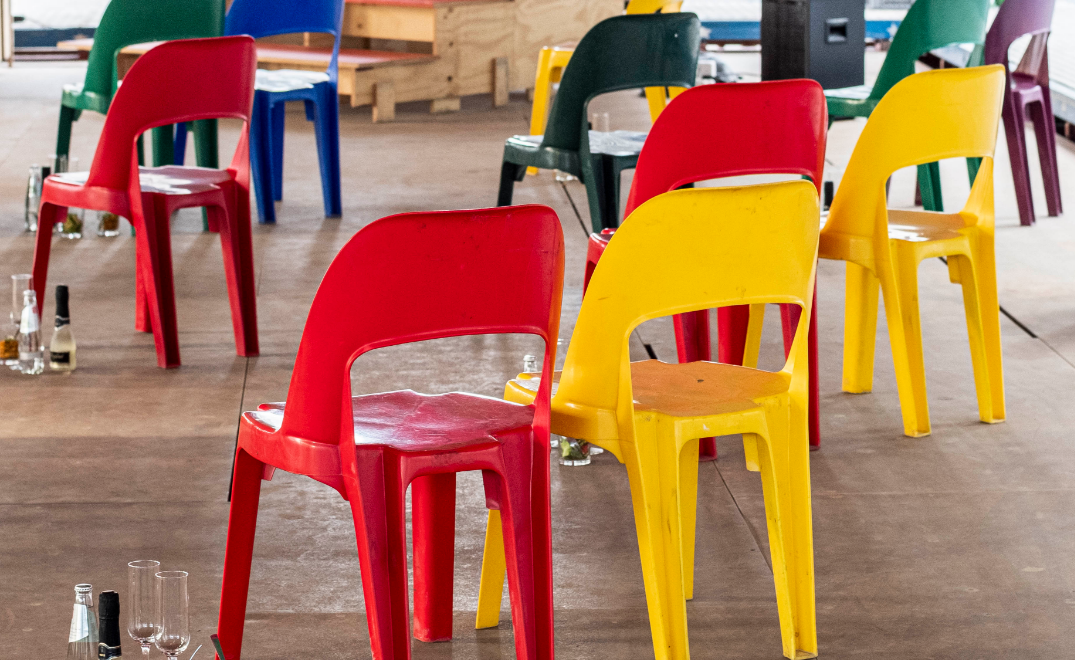
The story continues
A writing sprint, author talks and an audiobook grew around the stories, carrying the utopias into classrooms, conversations and headphones.