

The Future of Ownership
Steward Ownership and its Consequences for Economic Performance, Ecological Sustainability and Social Equity
The ownership structures of a company determines who makes decisions, what objectives are pursued, and how profits are distributed. In the debate on more sustainable corporate organisation, a new approach is emerging that challenges this logic at its core. The "steward ownership" concept decouples ownership from capital. This means that voting rights permanently lie with those who bear active responsibility, and that profits largely remain tied to the company’s purpose and long-term development. Depending on the specific structure, distributions to investors or shareholders are either ruled out or only possible to a limited extent. Proponents of the model argue that companies organised in this way have a longer-term perspective, drive ecological transformation more effectively, and give their employees a greater say. In practice, steward ownership has predominantly been implemented through various complex legal structures that involve considerable effort. For this reason, Germany is currently discussing a dedicated legal form for this model: the Gesellschaft mit gebundenem Vermögen (GmgV). However, there is currently a lack of empirical evidence as to whether steward ownership actually delivers the effects attributed to it, and under what conditions.
The research project The Future of Ownership: Steward Ownership and its Consequences for Economic Performance, Ecological Sustainability and Social Equity investigates the conditions under which purpose-driven ownership models encourage long-term action and investment decisions, and promote sustainable corporate development. We also analyse where conflicts of interest, limitations and unexpected side effects arise. Our focus is on companies that are already implementing key steward ownership principles today through foundations, trusts or special structures. This will generate scientifically sound knowledge on whether steward ownership can be understood as a viable model beyond individual pioneering companies and, if so, how.
The project is being carried out in collaboration with Ludwig-Maximilians-Universität München (LMU).
Research
The project involves conducting a systematic review of existing steward-owned companies, alongside carrying out empirical research and participatory future-shaping activities. Through document analysis and interviews, we are investigating how purpose-driven ownership models function in practice. Through participatory research methods, we are collaborating with stakeholders from business, politics, academia, and civil society to develop scenarios and courses of action for the future development of steward ownership in Germany.
Analysis of the economic performance of stewardship-owned companies, including succession processes, crisis resilience, and long-term business sustainability
Investigation into whether purpose-driven ownership promotes ecological transformation processes, and under what conditions
Analysis of social impacts within the company, including working conditions and sense of purpose
Analysis of the social impact on external stakeholders, e.g. fairness in supply chains
Development of desirable visions for the future and identification of the necessary framework conditions for steward ownership
Formulation of empirically grounded recommendations for legal policy and business support
Results in dialogue
The project findings will be published in academic journals and policy briefs, and discussed at public events with stakeholders from academia, business, politics, and civil society. As part of this process, we are developing practical educational materials and guidance documents, including the freely accessible Prospection Playbook — a short guide to independently implementing the Prospection Lab method. In this way, the project provides guidance for companies, start-up founders, investors, and policymakers, while also highlighting the role that ownership structures can play in fostering more sustainable business practices and legal policies.
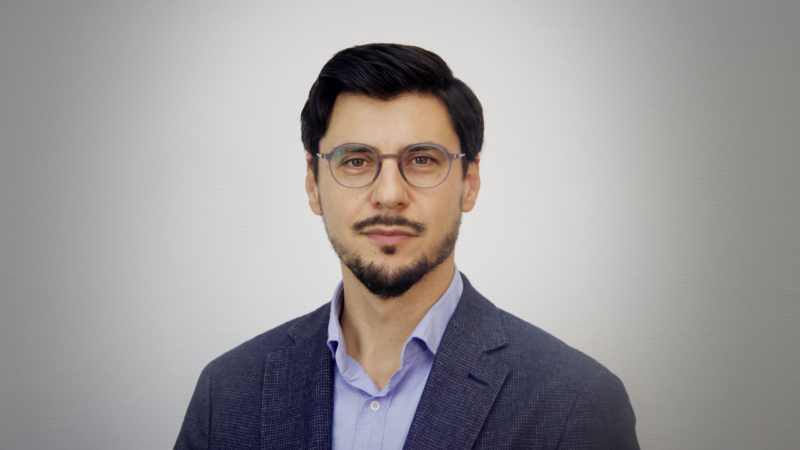 Ali Aslan Gümüsay, Prof. Dr.Head of Research: Innovation, Entrepreneurship & Society
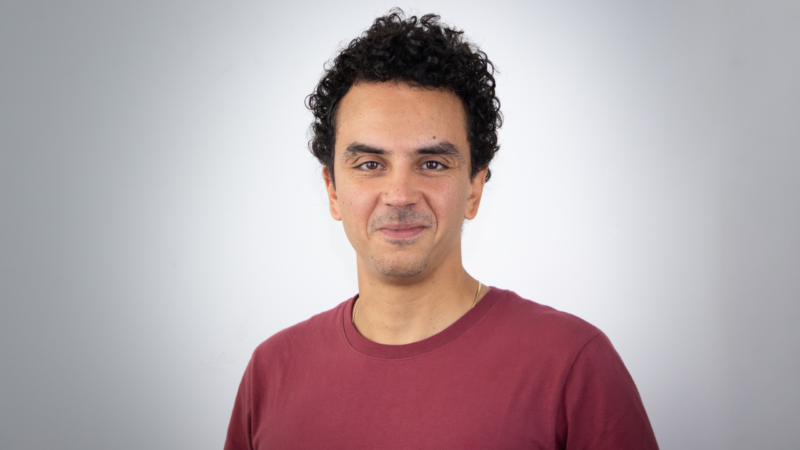 Amyn Vogel, DrSenior Researcher: The Future of Ownership and its Implications on the societal Transformation
 Anton RuffenStudent assistant: Innovation, Entrepreneurship and Society
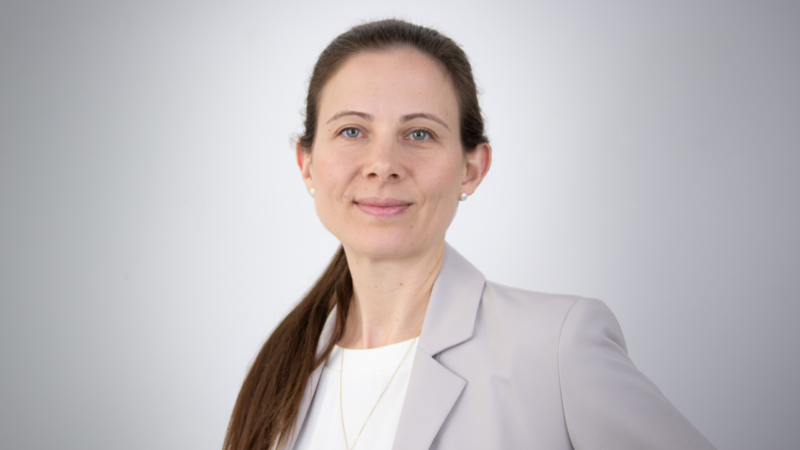 Tanja Schomann, DrSenior Researcher: Innovation, Entrepreneurship & Society
Lectures and presentations (4)
Tanja Schomann
Emerging Women Leaders Conference. Berlin, Berlin, Germany: 28.03.2026 Further informationTanja Schomann
Brown Bag Seminar Presentation. University of St. Gallen, Chair of Organizational Psychology, St. Gallen, Swiss: 10.12.2025Tanja Schomann
Steward Ownership - Academic Workshop. Berlin, Berlin, Germany: 08.10.2025Tanja Schomann
Project consortium and network
The project is conducted in collaboration with Ludwig-Maximilians-Universität München (LMU). Prof. Dr. Laura Edinger-Schons from the University of Hamburg is involved as an associated research partner. The Purpose Foundation supports the project as a practice and network partner. The legal advisory board — consisting of Prof. Dr. Anne Sanders from Bielefeld University and Dr. Marvin Reiff from European University Viadrina — ensures a connection to the ongoing legislative debate in Germany.
Funding
Project duration: | 1 June 2026 – 31 May 2028 |
| Funding: | German Federal Ministry for Research, Technology and Space (BMFTR) under the INSIGHT II funding programme |
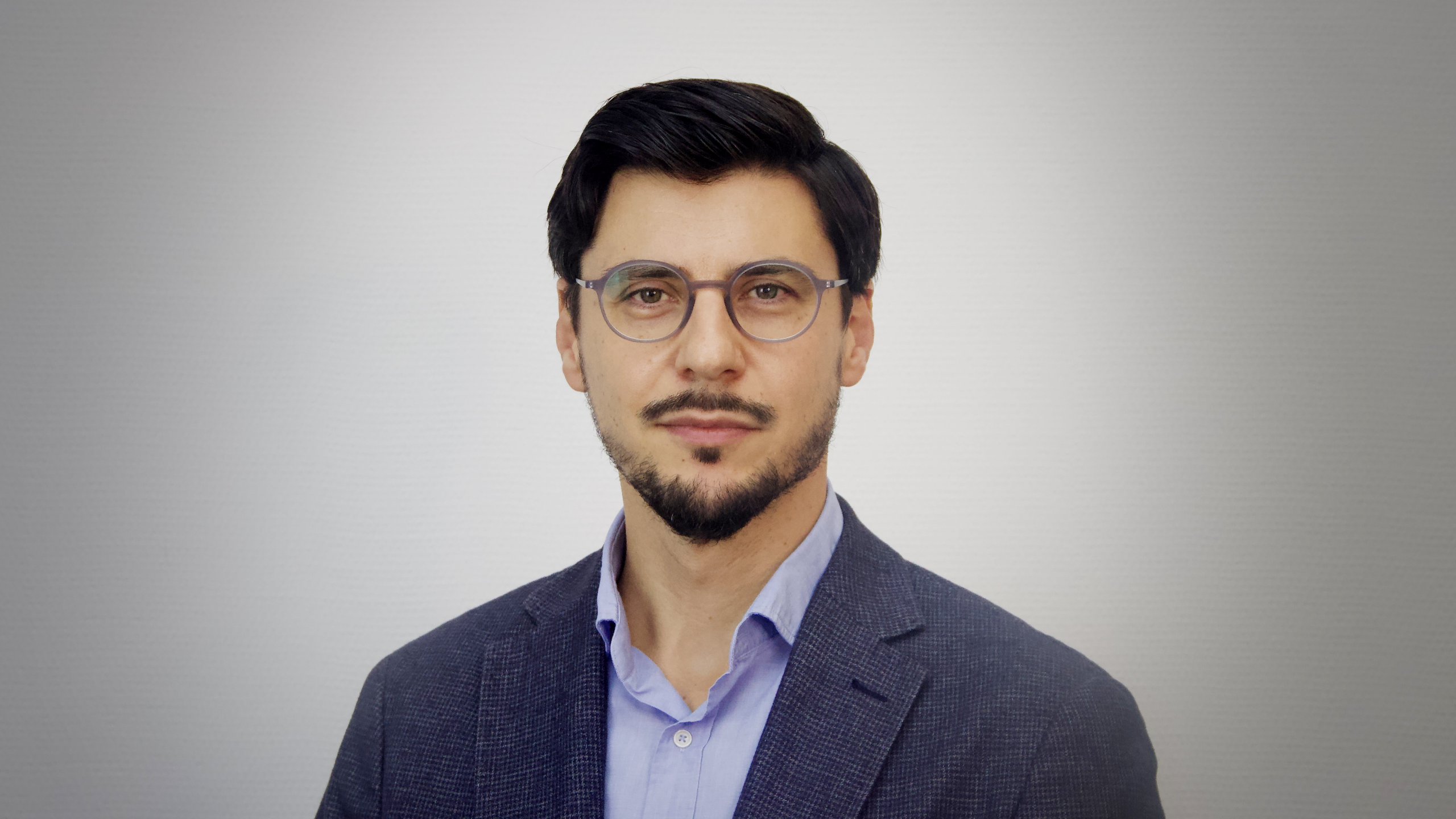
Ali Aslan Gümüsay, Prof. Dr.

Innovation, Entrepreneurship and Society
Technologies are reshaping how economies and societies develop and operate in a changing, globally connected digital environment. We investigate how different forms of innovation and entrepreneurship address systemic societal challenges.