

Research for the digital society
Global, interdisciplinary, in dialogue.
News from the institute
IPR Special Issue: Regulating the Sharing Economy
Sharing economy companies such as Uber and Airbnb are on the rise. In the most recent special issue of the Internet Policy Review different scholars adress ongoing debates about whether the sharing economy should be embraced, regulated…
Digitaler Salon in August: Haters gonna hate
Haters gonna hate? Digital civil courage and strategies against hate speach – these are the topics of the upcoming #DigSal on 31 August. What’s the fine line of freedom of speech and hatred in the internet. Come and discuss with us – a…
Startup Clinics “HIIG on the Road”
We went this summer ‘on the road’ again to capture Berlin’s vibrant and creative starup hub oat the Tech Open Air Festival. Subscribe to our channel and follow us to catch exclusive interviews and expert startup advice…
Essay: Governance by Internet of Things
Whith the help of digital intelligence, objects soon will make decisions on their own. But who will watch these smart objects then? How will the governence of things be regulated by law? This are questions Wolfgang…
AoIR 2016: Internet Rules!
The conference of the Association of Internet Research will take place 5–8 October 2016 at the Humboldt-Universität zu Berlin and is hosted by the Alexander von Humboldt Institute for Internet and Society. Follow the latest news and take a…
Digitaler Salon. Forever Punk!
No more real rebels today – just money-hungry dorks? TV is long gone, but are teen stars on YouTube really more popular than rock idols live on stage? We want to give the floor to…
Upcoming events



Discussion dossiers

Tackling hostility towards science
What can be done when research comes under pressure? This resource collection supports researchers and institutions with strategies and tools for responding to hostile attacks.

AI compass
AI is embedded across many areas of society, from medicine to nature conservation. Our card game presents concrete applications and invites players to critically examine their uses and implications.
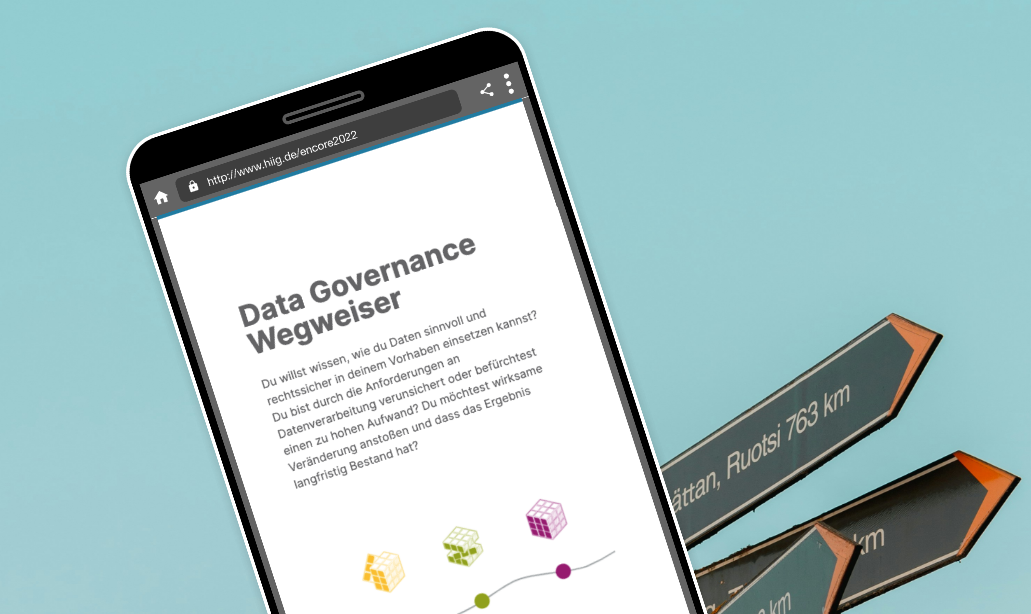
Data governance guide
Why does the potential of municipal data so often go unrealised? This handbook supports public administrations in planning and implementing data-driven projects in legally sound ways.