
NEWS FROM THE INSTITUTE
Dossier: How metaphors shape the digital society
Cloud, big data, piracy, virus are common terms in the debates about digital technologies. At the same time they are methaphors that originate from…
Blockchain for Science – Hack’n’Share Weekend
This Hack’n’Share Weekend aims at bringing the blockchain tech community together with scientists, create engagement and hope to win talent for the living knowledge network. There…
Manuel Castells kicks off new academic lecture series
How is power constituted in the digital society? In his inaugural lecture on 12 December, Manuel Castells will revisit the development of the last…
Digitaler Salon: iCare for you
Plush robots, smart walking aids and digital conversation partners: Could machines possibly relieve the nursing sector and simulate feelings? And should they do so?…
Dossier: Germany goes digital?
How parties envision the process of digitalisation is becoming a more important factor in the fight for political power. Various online tools shed light…
Digitaler Salon: World White Web?
Inside the once utopian web, colonialism and social injustice continue to exist. Which resistance is being put up against white male supremacy? Is technology…
UPCOMING EVENTS
More to come soon.
Explore our current issues
while we reshape our research agenda…
More to come soon.
Explore our current issues
while we reshape our research agenda…
RESEARCH ISSUES IN FOCUS

Platform governance

Data governance

Artificial intelligence and society

Digitalisation and sustainability

Open higher education

Digital future of the workplace

Here you will find our experts on current press topics relating to the Internet and digitalisation.
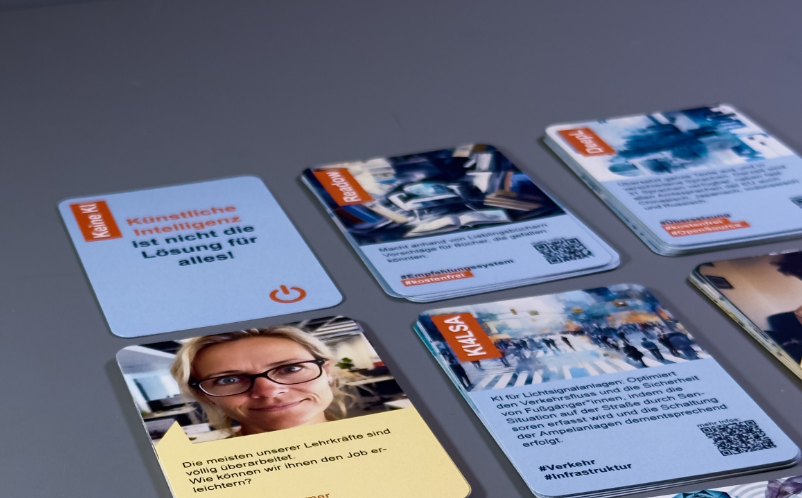
Everyone is talking about artificial intelligence (AI). But what is all the hype? Find out with this card game.

Our new handbook provides guidance on the legally compliant and efficient use of data for administrations.

The Human in the Loop in automated credit lending – Human expertise for greater fairness
How fair is automated credit lending? Where is human expertise essential?

Impactful by design: For digital entrepreneurs driven to create positive societal impact
How impact entrepreneurs can shape digital innovation to build technologies that create meaningful and lasting societal change.

Identifying bias, taking responsibility: Critical perspectives on AI and data quality in higher education
AI is changing higher education. This article explores the risks of bias and why we need a critical approach.