

Impact AI: Project Council
The Impact AI research project investigates selected AI initiatives that consider themselves to be oriented toward the public interest or pursue a clear focus on sustainability. The aim is to develop a transdisciplinary auditing method to measure the social impact of these AI systems. To this end, the project is analyzing 15 case studies from different areas of use over a period of five years. The impact of the respective AI systems is systematically evaluated in these case studies, in terms of both their contribution to economic, ecological and social sustainability, and their impact on public interest. The concepts of sustainability and public interest are political objectives that are socially negotiated. Their evaluation therefore depends on deliberation, such as informed discussion and consultation that takes different perspectives into account.
The Impact AI Project Council was established to integrate various scientific and practice-oriented expertise into the research project's work. The aim is to iteratively improve the developed auditing method and reflect on and discuss the results and interpretations of the 15 case studies.
The council comprises 11 leading experts from various disciplines and fields of experience. They will accompany the research project over a period of 5 years.
Council Members
 |
Rumman Chowdhury Dr. Rumman Chowdhury is a data scientist and social scientist. She is the Co-founder of the tech nonprofit Humane Intelligence, which builds a community of practice around evaluations of AI models. She was appointed by the Biden Administration as the first United States Science Envoy for Artificial Intelligence. Dr. Chowdhury is also Responsible AI Fellow at Harvard University’s Berkman Klein Center for Internet and Society. Previously, Dr. Chowdhury was the Director of the ML Ethics, Transparency, and Accountability (META) team at Twitter, as well as the Global Lead for Responsible AI at Accenture Applied Intelligence. She holds two undergraduate degrees from MIT, a master's degree in Quantitative Methods of the Social Sciences from Columbia University, and a doctorate in political science from the University of California, San Diego. | |
 |
Anna Colom Anna Colom is a political and social scientist working at the intersections of democratic processes, data and AI, climate, and public health. She is currently the Senior Policy Lead at The Data Tank, a Brussels-based non-profit organisation using evidence and action to champion a holistic approach to reusing data to improve policies, services and people’s lives. She is also a visiting scholar at The Open University.Before, Anna was the Public Participation and Research Lead at the Ada Lovelace Institute, a research institute in the UK doing research to ensure data and AI work for people and societies. | |
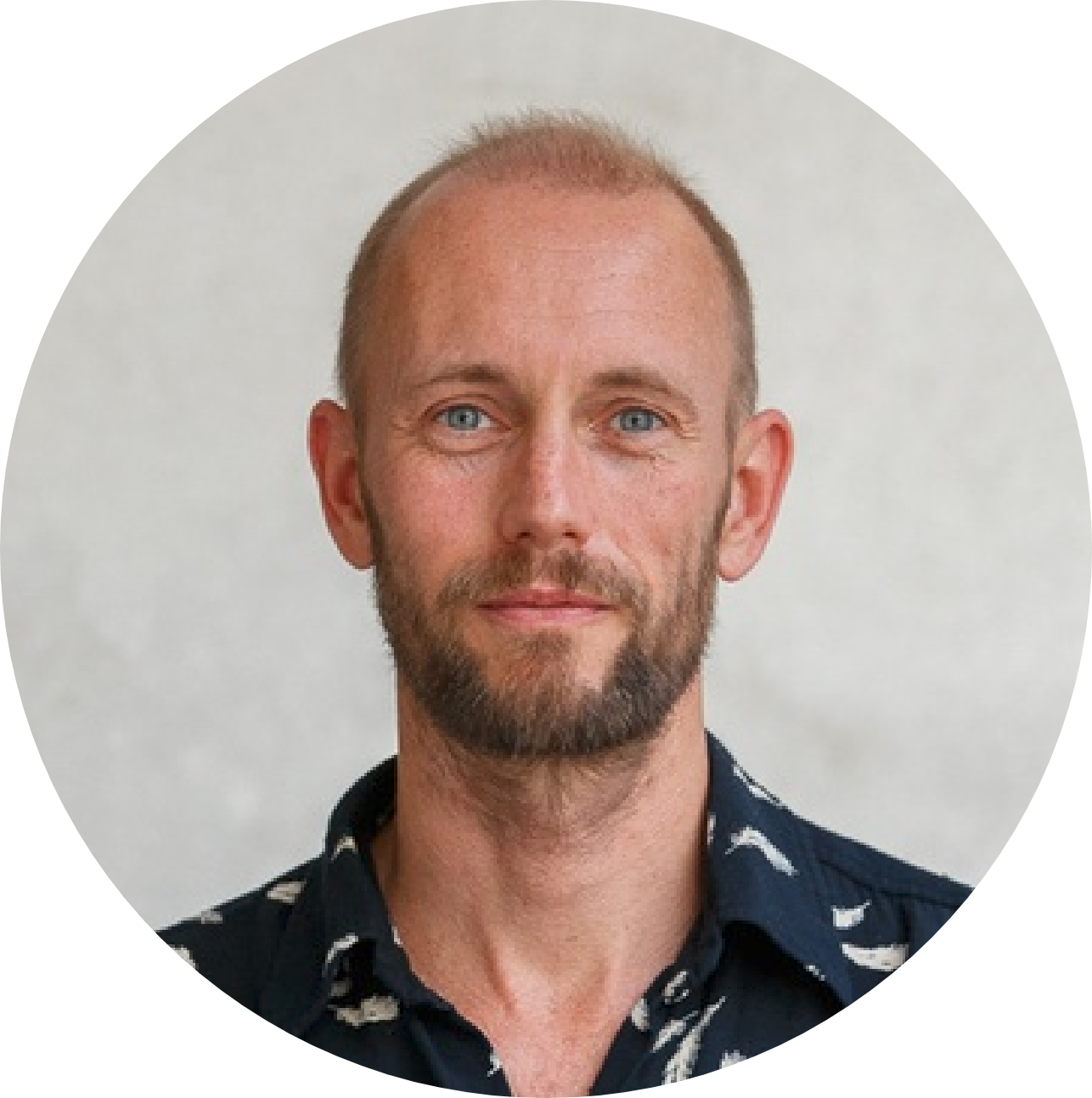 |
Jobst Heitzig Dr. Jobst Heitzig holds a PhD in mathematics from Hannover University and has worked as a scientific officer with the German National Statistical Office, as a data warehouse analyst with the German Development Bank KfW, and as a freelance statistical software trainer with SAS. Since 2010 at PIK, he was a project lead of an EIT Climate-KIC project and now leads the Working Group on Behavioural Game Theory and Interacting Agents (BeGa) with a focus on developing safe, fair, and beneficial decision algorithms for collectives of humans and AIs. | |
 |
Mireille Hildebrandt Mireille Hildebrandt is Emeritus Professor at Vrije Universiteit Brussels (VUB), on the subject of ‘Interfacing Law and Technology’. She has been co-Director of the Research Group on Law Science Technology and Society studies (LSTS) at the Faculty of Law and Criminology from 2019-2024. She is also Emeritus Professor of ‘Smart Environments, Data Protection and the Rule of Law’ at the Science Faculty, at the Institute for Computing and Information Sciences (iCIS) at Radboud University Nijmegen.Her research interests concern the implications of automated decisions, machine learning and mindless artificial agency for law and the rule of law in constitutional democracies. | |
 |
Rikke Frank Jørgensen Rikke Frank Jørgensen is acting Research Director at the Danish Institute for Human Rights and Affiliate Professor of human rights in the digital society at University of Copenhagen. Her research focuses on the intersection between technology and human rights and covers topics such as the digital welfare state, the commercialized public sphere and technology regulation. Rikke is a member of the Danish Data Ethics Council and the government's expert group on tech giants. | |
 |
Alois Krtil Alois Krtil studied business informatics and engineering. He began his professional career as a management consultant in the field of digital technologies. Since 2019, he has been the managing director and founder of the Artificial Intelligence Center (ARIC) Hamburg. He is also CTO at the EdTech company PINKTUM, a lecturer at the University of Hamburg and FOM University, and a member of various committees, steering groups, and advisory boards. | |
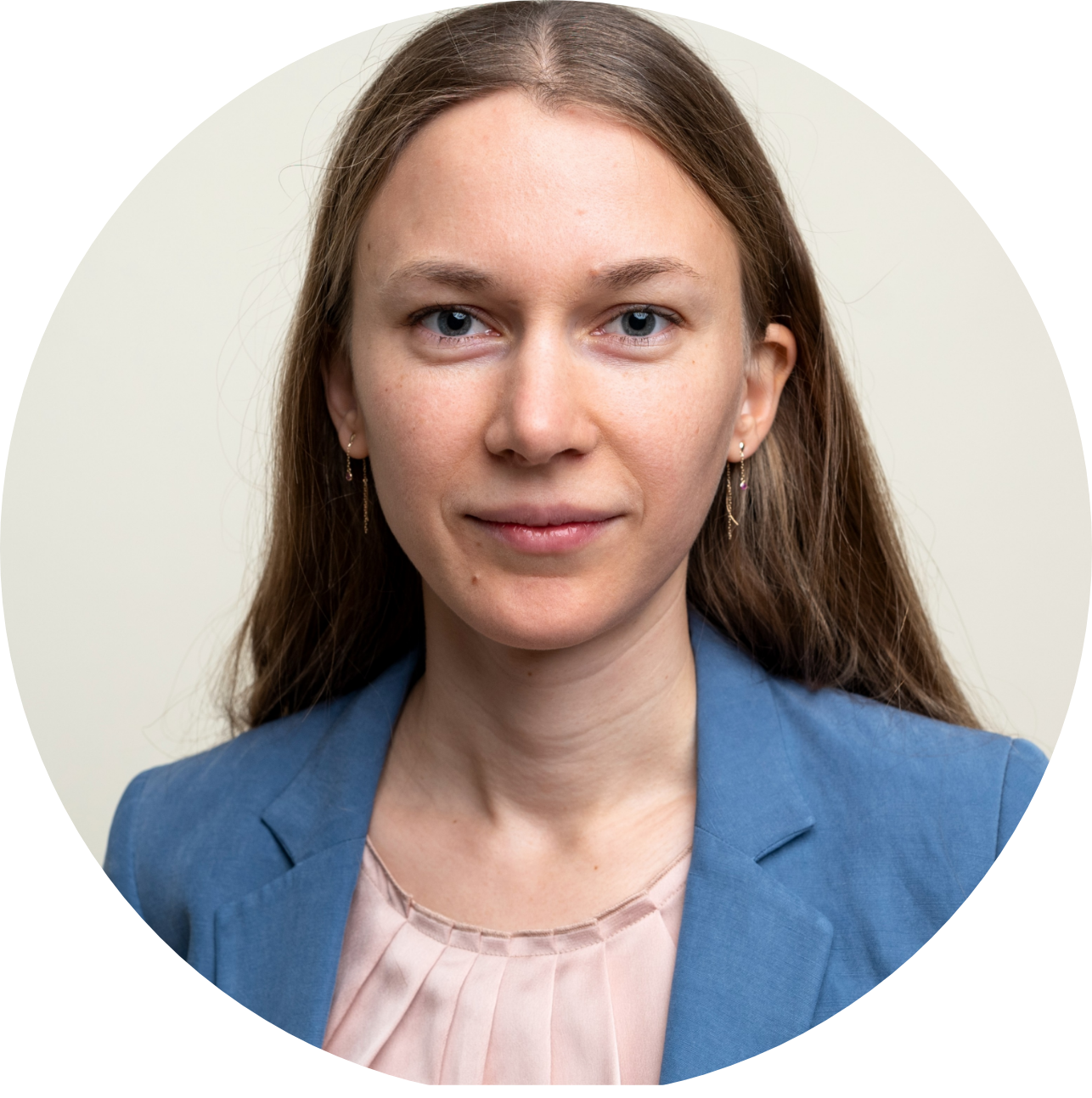 |
Lynn Kaack Lynn H. Kaack is an Assistant Professor of Computer Science and Public Policy at the Hertie School, and she leads the AI and Climate Technology Policy Group. Her work focuses on methods from statistics and machine learning to inform climate mitigation policy across the energy sector, and on climate-related AI policy. She is also a co-founder and chair of the organization Climate Change AI, and an Associated Researcher at the Einstein Center Digital Future in Berlin. She obtained a PhD in Engineering and Public Policy and a Master's in Machine Learning from Carnegie Mellon University. | |
 |
Steffen Lange Steffen Lange’s research explores the functioning of contemporary economies and the conditions under which they can become sustainable. At the University of Siegen, he teaches in the Pluralist and Transformative Economics programme, where he engages with diverse economic paradigms and theoretical approaches to foster a sustainable transformation of economic systems. His scholarly and public work addresses themes such as post-growth economics, digitalisation and sustainability, and the interplay between economic structures and authoritarian developments. | |
 |
Sasha Luccioni Dr. Sasha Luccioni is a leading scientist at the nexus of artificial intelligence, ethics, and sustainability, with a PhD in AI and a decade of research and industry expertise. She is the Climate Lead at Hugging Face, a global startup in responsible open-source AI, where she spearheads research, consulting and capacity-building to elevate the sustainability of AI systems. A founding member of Climate Change AI (CCAI) and a board member of Women in Machine Learning (WiML), Sasha is passionate about catalyzing impactful change, organizing events and serving as a mentor to under-represented minorities within the AI community. | |
 |
Karen O'Brien Karen O'Brien is an internationally recognized expert on the human and social dimensions of global environmental change, and her research focuses on themes related to climate change impacts, vulnerability, and adaptation. She is a professor in Department of Sociology and Human Geography at the University of Oslo. She is interested in how transdisciplinary and integral approaches to global change research can contribute to a better understanding of how societies both create and respond to change, and particularly how to scale transformative change for a just and sustainable world. | |
 |
Mophat Okinyi Mophat Okinyi is an esteemed data trainer specializing in machine learning and AI. He is recognized for inspirational leadership in responsible AI through research, advocacy, policy, and trustworthy frameworks. As a steering committee member of the Content Moderators Union, he spearheads initiatives dedicated to championing the fair treatment of African tech workers. His work addresses working condition challenges and promotes professional development, reflecting a commitment to advocating for the rights and well-being of African tech professionals.Simultaneously, as the Founder & CEO of Techworker Community Africa, he leads the charge in creating a thriving tech industry in Africa. |
Cover picture: David Clode via unsplash

Theresa Züger, Dr.

Impact AI
This research project is developing an auditing method to assess the impact of AI systems in the areas of sustainability and public interest.