

Dialogue with society
HIIG understands science communication as a productive dialogue between academic and societal actors. Knowledge is sharpened, translated and made accessible through this exchange. This principle, and the ongoing reflection upon it, are an integral part of our research practice and part of our DNA.
From the interplay of research and societal exchange emerges science-based knowledge that guides and enables action on digital transformation, using agile research methods and participatory formats such as research sprints, multi-stakeholder dialogues and ideathons to actively engage political actors, businesses and civil society in our work. To ensure this knowledge has impact nationally and internationally, we continuously develop our dialogue and output formats – from science blogs, talk series and podcasts to multimedia exhibitions, educational materials and policy recommendations.

Our Research
HIIG researches the development of the internet from a societal perspective in order to better understand the digitalisation of all spheres of life.
Knowledge with impact
From insight to application
Each of our research focus areas requires space for creative experimentation. In what we call our Engagement Units, we discuss relevant findings with various stakeholder groups and translate them, often co-creatively, into accessible and usable knowledge.
Openness as a principle
Our radar and compass
Through direct dialogue with actors from politics, civil society and business, new research questions and impulses emerge that help to contextualise technological developments and shape them in the public interest.
Dialogue as a source of knowledge
A productive loop
We treat our own knowledge practices as an object of study. What we learn through formats, methods and collaborations feeds back into our research and is translated into new research questions.

Digital Governance Lab
This testing ground puts findings on digital data, platforms and technologies into practice and discusses them with representatives from academia and society.
AI & Society Lab
This interdisciplinary interface brings together findings on AI, tests them in practice and develops new formats in workshops with a range of stakeholder groups.

Forum. Venturing Futures.
This space for action develops new formats and tools for open dialogue that connect entrepreneurial thinking with social responsibility.
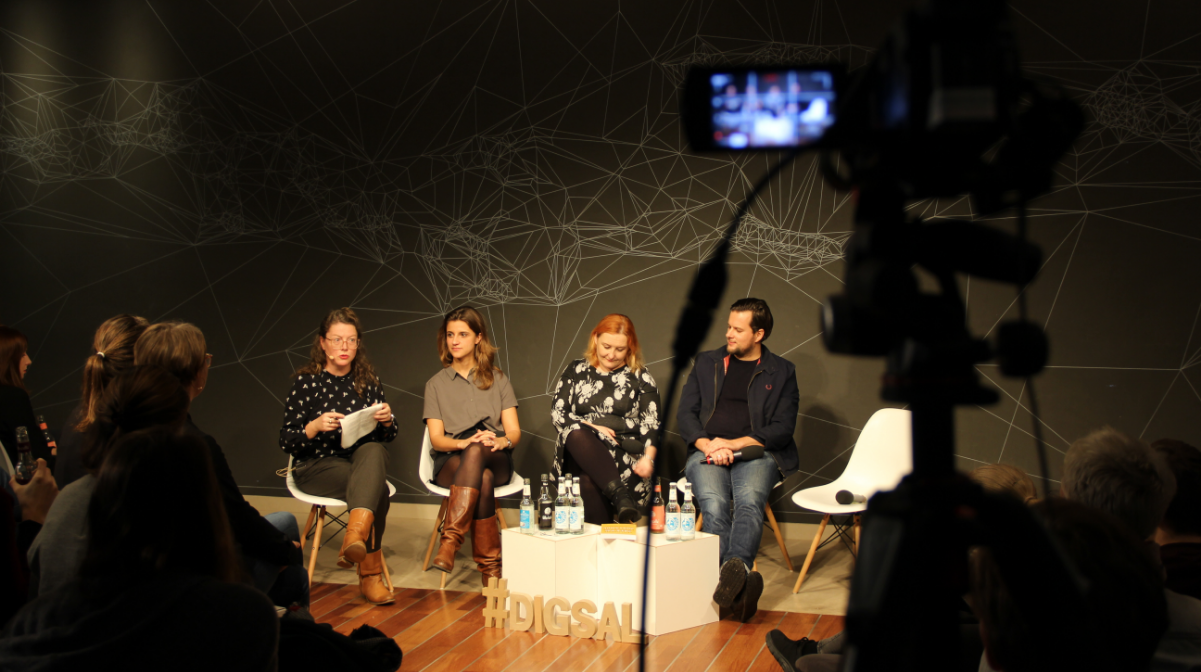
Digitaler Salon
Once a month, we invite selected guests to discuss the latest developments in the digital society with our audience.

Impact Publication Series
We conduct impact-oriented research and turn it into findings that decision-makers and practitioners can put to use.
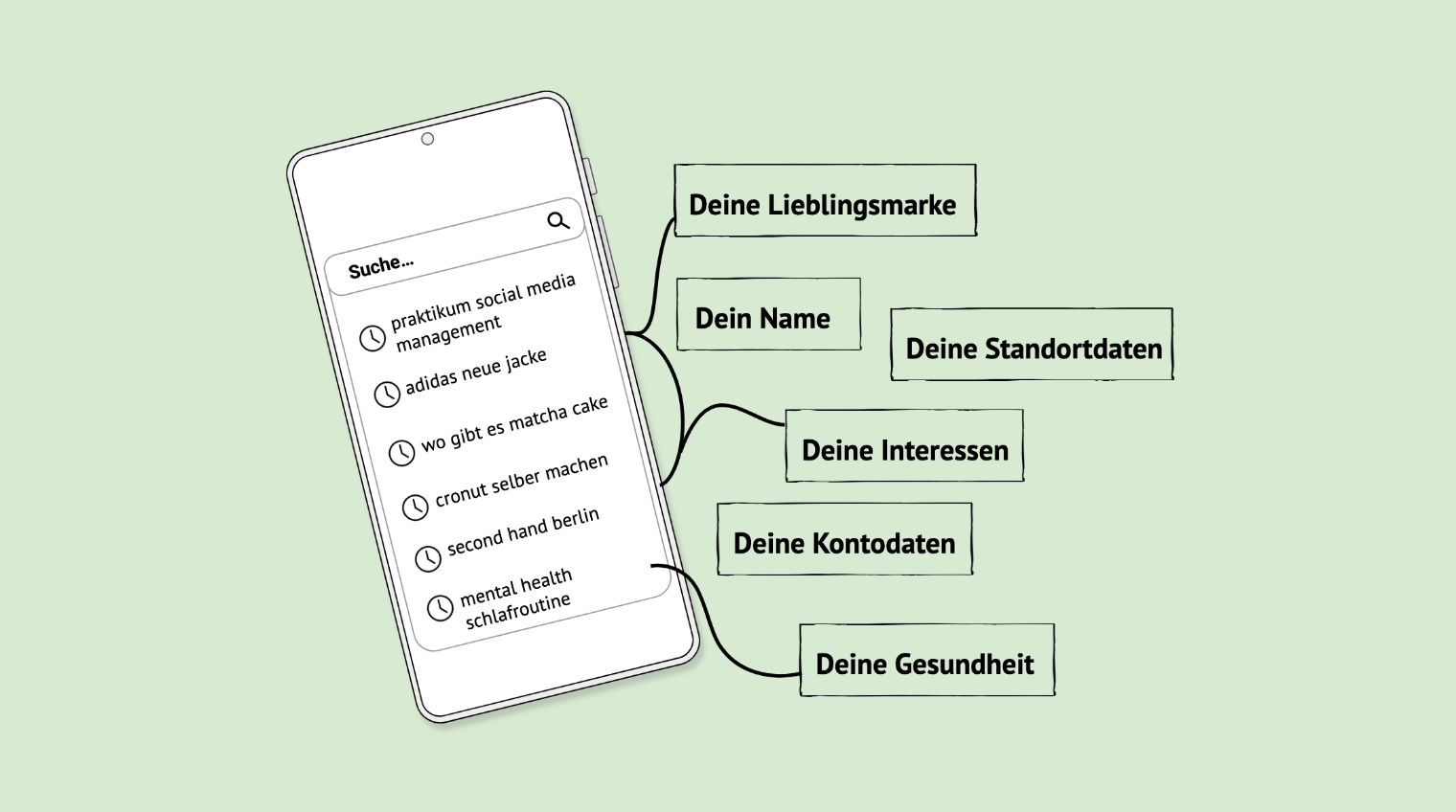
Educational resources
We turn our research findings into creative resources for schools, universities or personal use – freely available to everyone.
Participatory knowledge production
At HIIG, science communication is structurally integrated into the research process. From the first idea to the finished result, our researchers work with our communication, impact and engagement team as a single unit. Together we identify how scientific findings and viable options for action reach the relevant audiences in politics, media, society and institutions. Whether as a card game for citizens, a code of conduct for digital platform regulation or a methodology kit for classroom use, we shape direct dialogue as equals with societal actors and interest groups across disciplinary and institutional boundaries. This form of knowledge production requires a continuous engagement with scientific quality standards and the limits of participatory approaches. Such oscillation between dialogue and reflection is part of our epistemic process.


Get in touch
Do you conduct research, make decisions or fund initiatives – and have topics or ideas that might interest us? Then get in touch. We look forward to the exchange.
Where societal debates connect to our research at HIIG, we discuss them across the institute and compile the results in these dossiers.