
Educational resources at HIIG
We turn our research findings into creative formats such as zines, card games, experiments or toolkits. Whether you teach, study or are simply curious, you can use, adapt and share our educational materials free of charge. Our collection keeps growing.
Card game · German/English For everyoneSchools & youth educationHigher education
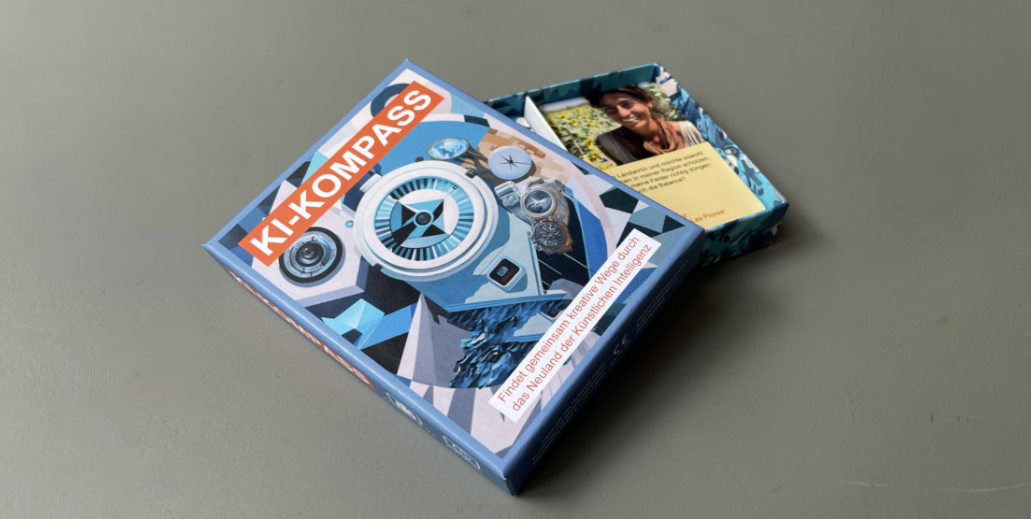
AI Compass
Players take on the role of AI experts, answer citizens' requests and decide where AI really helps and where it does not. The cards feature real AI applications that serve the common good.
From the project Artificial Intelligence, explained in human terms.
Experiment · German For everyoneSchools & youth education
Facial recognition
How does software recognise faces, and when does it get it wrong? Short experiments in the browser let users try it out on a smartphone or computer. A good way to introduce AI in the classroom.
From the project Artificial Intelligence, explained in human terms.

Toolkit · German/English For everyoneSchools & youth educationHigher educationInstitutions & practice
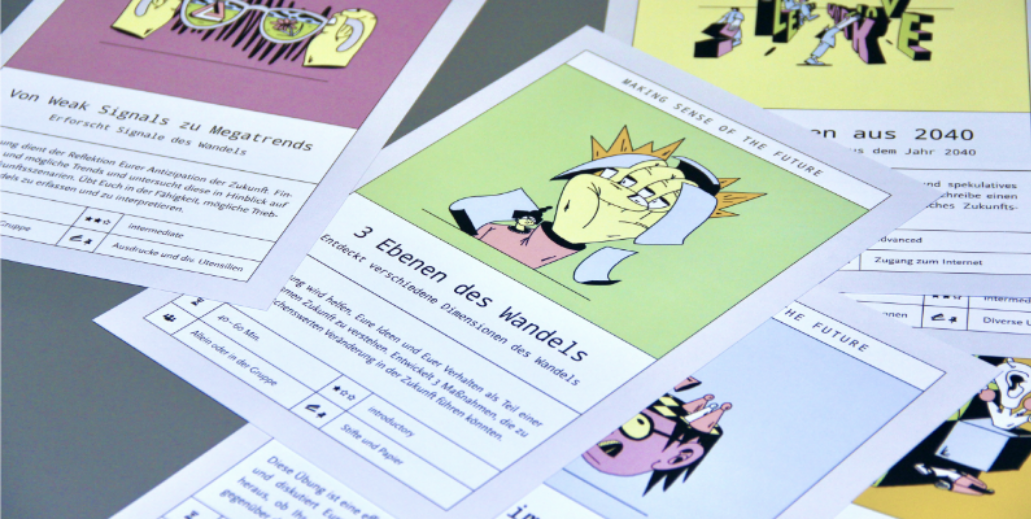
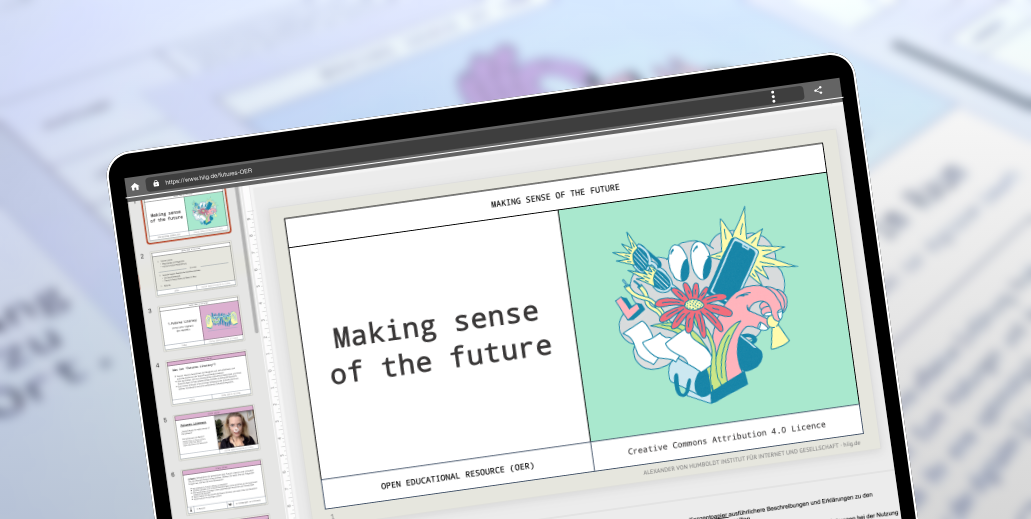
Making Sense of the Future
For anyone who wants to think about the digital future with a group, in the classroom, a seminar or a team. Six printable exercises, from a short warm-up to a two-day workshop.
Builds on the lecture series Making sense of the digital society.
Lecture series/Compendium · German/English For everyoneHigher education
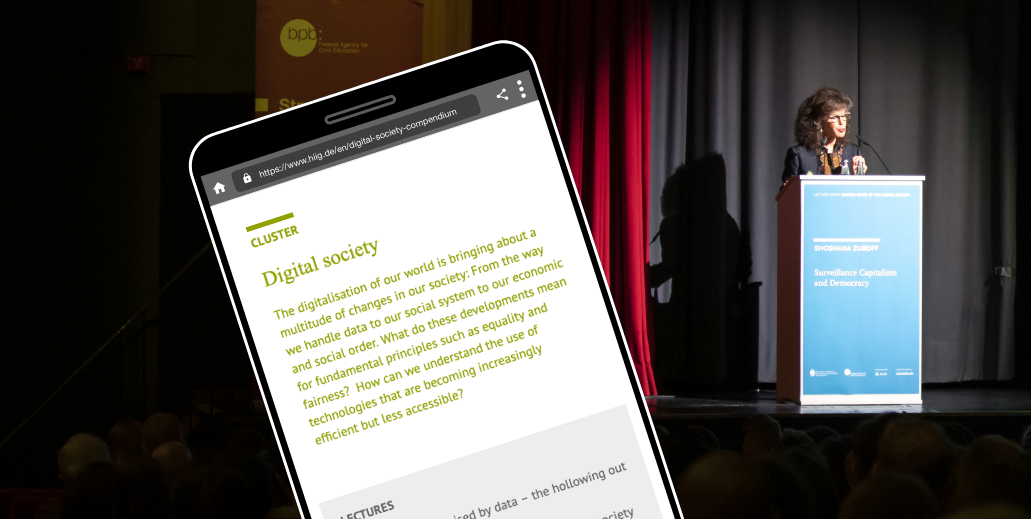
Making sense of the digital society
Renowned thinkers such as Shoshana Zuboff address the major questions of digitalisation. The lectures are available as videos, sorted into seven topics and complemented by further material.
Part of the lecture series Making sense of the digital society.
Course · English/Spanish/French/Portuguese For everyoneHigher education
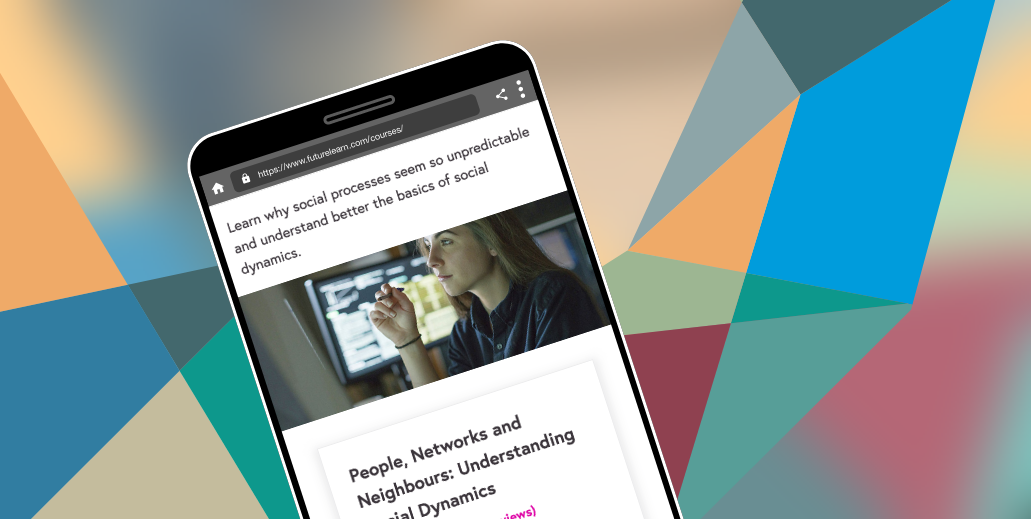
People, Networks and Neighbours
Why do protests sometimes spread so suddenly? This three-week online course explains the dynamics with videos and simulations, no maths required. Suitable for independent learning and teaching.
From the EU project ACTiSS: Action for computational social science.
Course · English For everyoneHigher education
Understanding polarisation
How does social division arise, and what helps to overcome it? This online course uses videos, quizzes and simulation exercises to explain the mechanisms and shows ways towards respectful dialogue.
From the EU project Action for Interactive Anti-Polarisation Learning Experiences for a Better Democracy.

Interactive tool · German/English/Polish/Estonian For everyoneHigher education
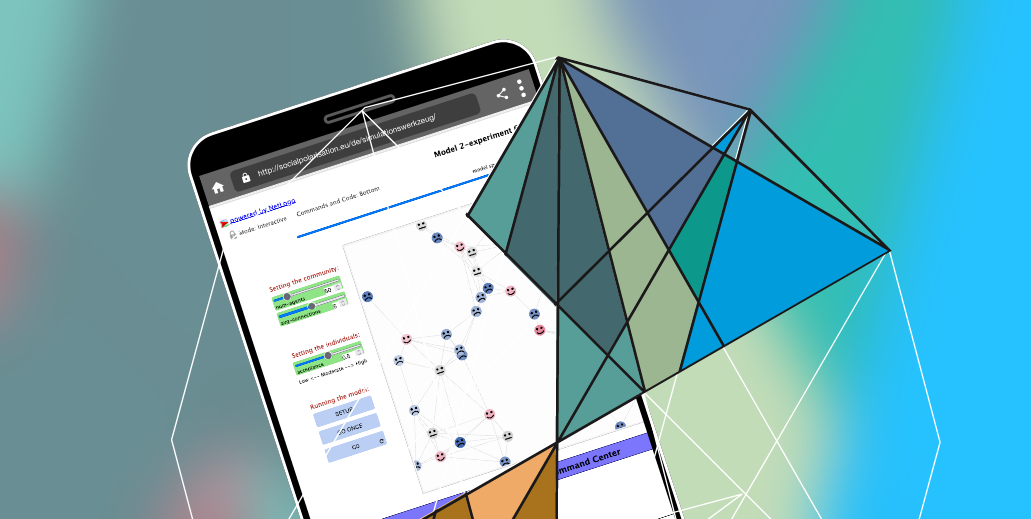
Simulating polarisation
This browser tool lets users explore how polarisation emerges and intensifies within groups. Suitable for independent exploration or as a hands-on element in seminars.
From the EU project Action for Interactive Anti-Polarisation Learning Experiences for a Better Democracy.
Workshop concept · German/English/Polish/Estonian For everyoneHigher education
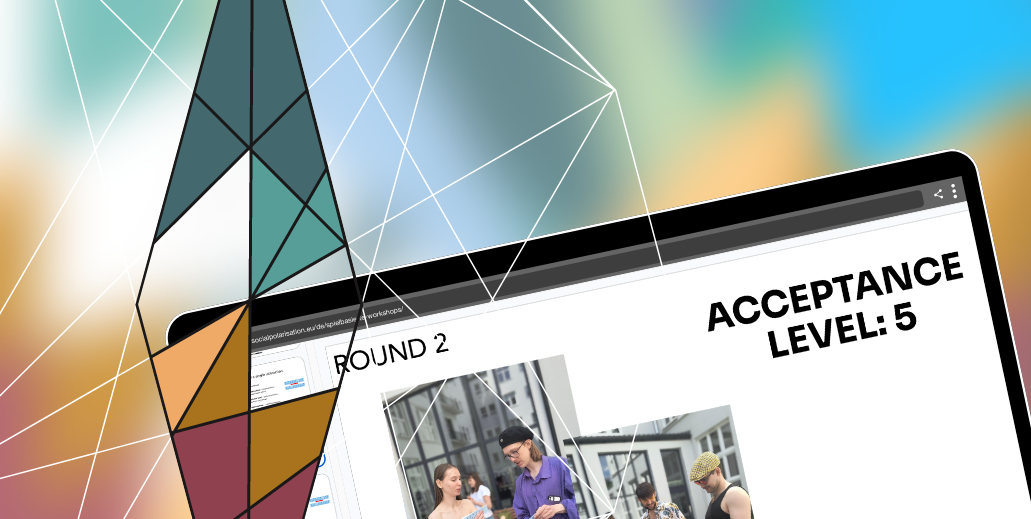
Experiencing polarisation through play
Game-based workshops let groups in education and teaching experience polarisation first-hand. The concepts include videos, so a projector and internet access are needed.
From the EU project Action for Interactive Anti-Polarisation Learning Experiences for a Better Democracy.
Zine · German/English Higher educationFor everyone
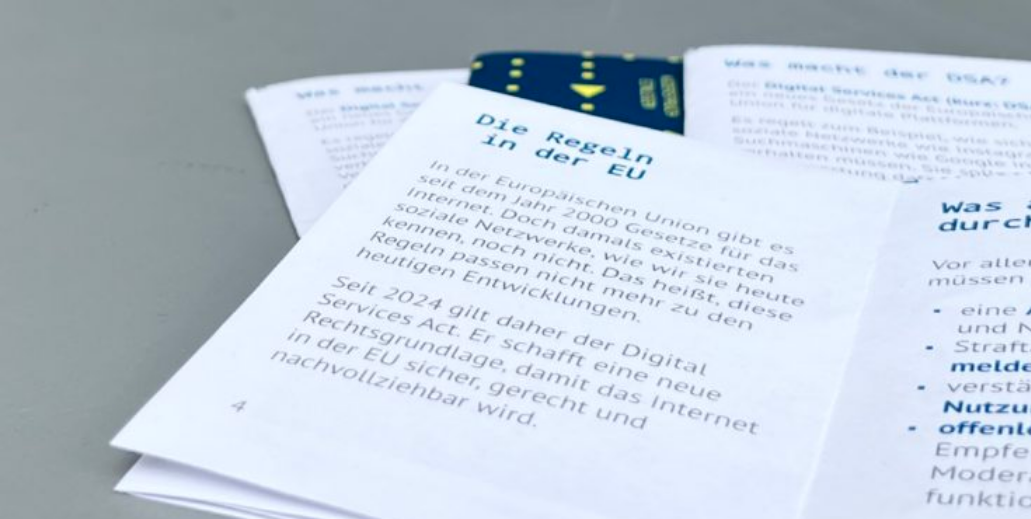
The Digital Services Act (DSA)
What must platforms do about hate speech and disinformation, and what rights do users have? This zine offers a concise introduction to the DSA as a printable fold-up template, for teaching or self-study.
From the DSA Research Network.
Learning kit · German Schools & youth education
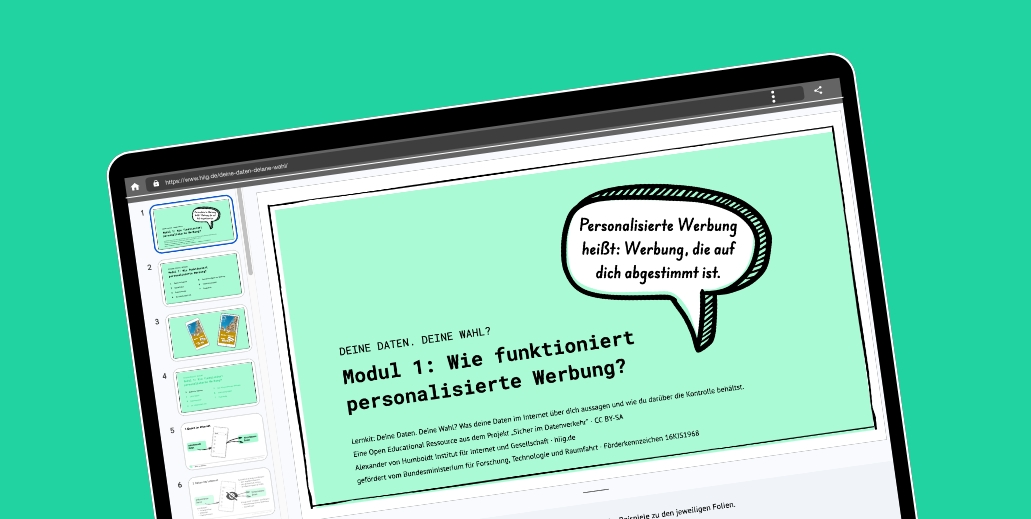
Your data. Your choice?
Three 90-minute modules for schools and youth work show young people aged 16 and over how personalised advertising works. Includes presentations, worksheets, a teaching guide and smartphone exercises.
From the project Safe in data traffic.
Card game · German/English For everyoneSchools & youth educationHigher education
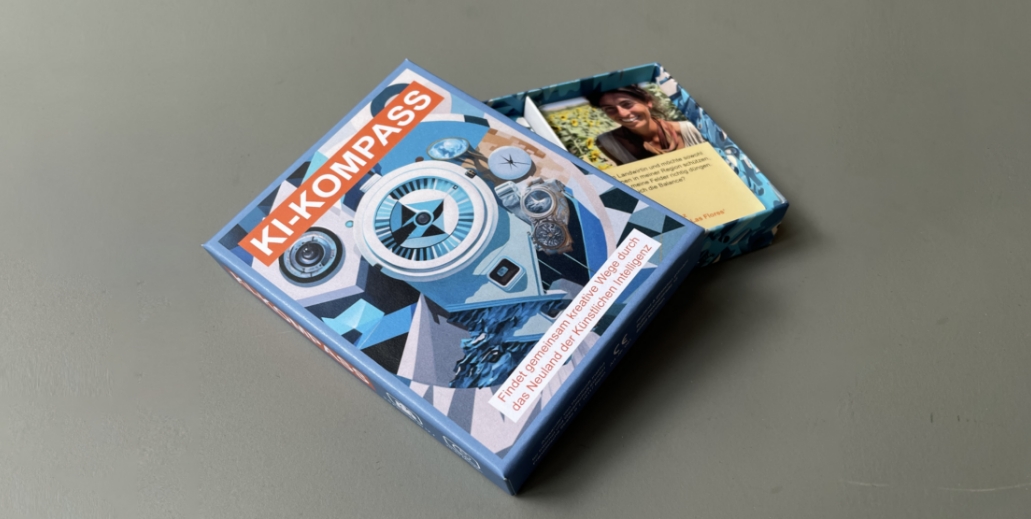
AI Compass
A card game that gets groups talking about AI without any prior knowledge. Which everyday problems can AI really solve? The cards are free to download and print.
From the project Artificial Intelligence, explained in human terms.
Teaching unit · German Schools & youth education
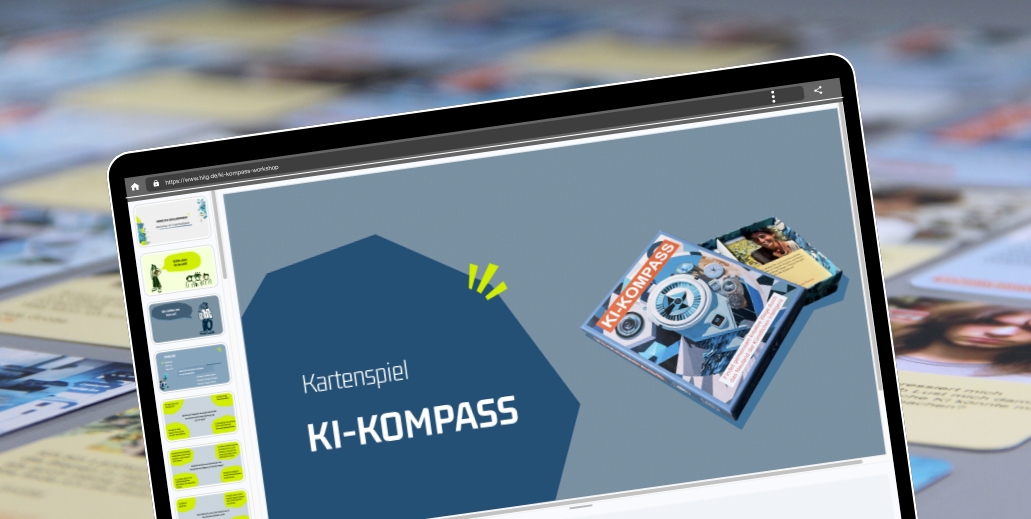
AI and sustainability
A ready-made presentation with speaker notes and videos helps teachers link the AI Compass to sustainability. Requires a projector and internet access. Available by the end of 2026.
Builds on the AI Compass from the project Artificial Intelligence, explained in human terms.
Toolkit · German/English For everyoneSchools & youth educationHigher educationInstitutions & practice
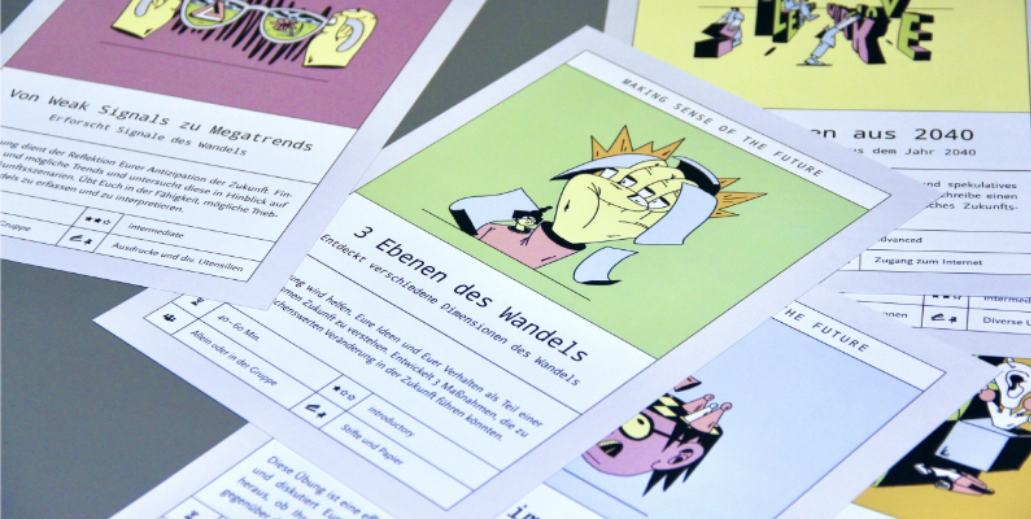
Making Sense of the Future
For groups who want to think about the digital future, in the classroom, a seminar or a team. Six printable exercises, from a short warm-up to a two-day workshop.
Builds on the lecture series Making sense of the digital society.
Workshop · English Schools & youth education
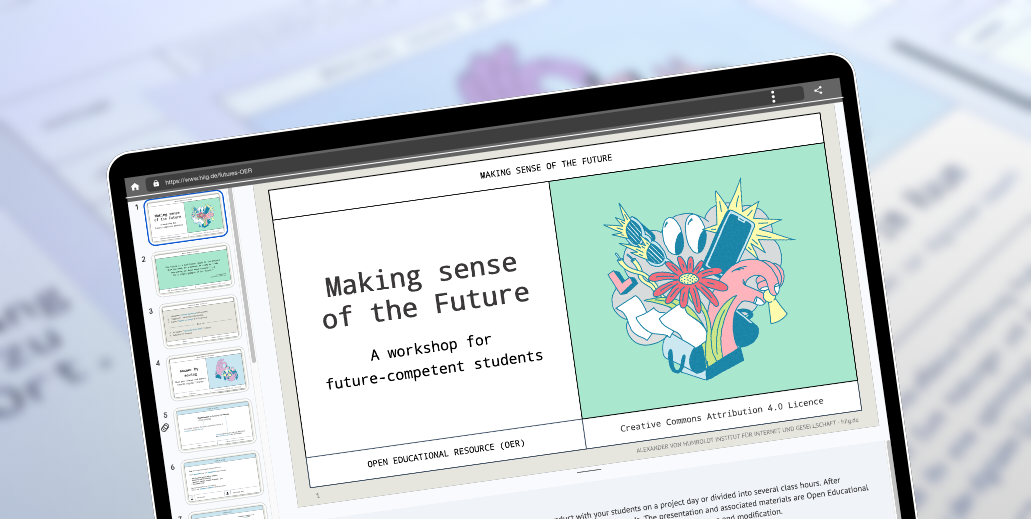
Making Sense of the Future for schools
A ready-made presentation with three exercises from the toolkit, designed for lower secondary teachers and suitable for a project day or several lessons. Guidance for teachers is included in the slide notes.
Based on the Making Sense of the Future toolkit.
Experiment · German For everyoneSchools & youth educationHigher education
Facial recognition
How does software recognise faces, and when does it get it wrong? Short experiments in the browser let users try it out on a smartphone or computer. A good way to introduce AI in schools and universities.
From the project Artificial Intelligence, explained in human terms.
Toolkit · German/English For everyoneSchools & youth educationHigher educationInstitutions & practice
Making Sense of the Future
For groups who want to think about the digital future, in the classroom, a seminar or a team. Six printable exercises, from a short warm-up to a two-day workshop.
Builds on the lecture series Making sense of the digital society.
Seminar unit · English Higher education
Making Sense of the Future for universities
Lecturers receive a presentation and concept paper for a bachelor's seminar session on futures thinking, covering topics such as futures literacy and surveillance capitalism.
Based on the Making Sense of the Future toolkit.
Lecture series/Compendium · German/English For everyoneHigher education
Making sense of the digital society
Renowned thinkers such as Shoshana Zuboff address the major questions of digitalisation. The lectures are available as videos, sorted into seven topics and complemented by further material.
Part of the lecture series Making sense of the digital society.
Zine · German/English Higher educationFor everyone
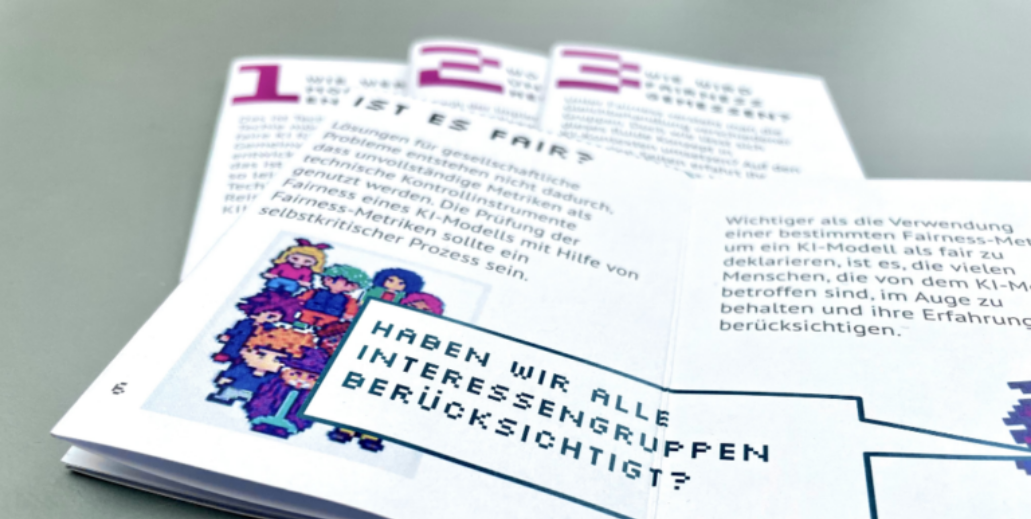
Feels Fair? Fairness in AI systems
Four zines and two posters explain how AI systems are built and how fairness can be measured. Printable fold-up templates for seminars, the classroom or self-study.
From the research focus Societal Values, Transformation and Artificial Intelligence.
Zines · German/English Higher educationFor everyone
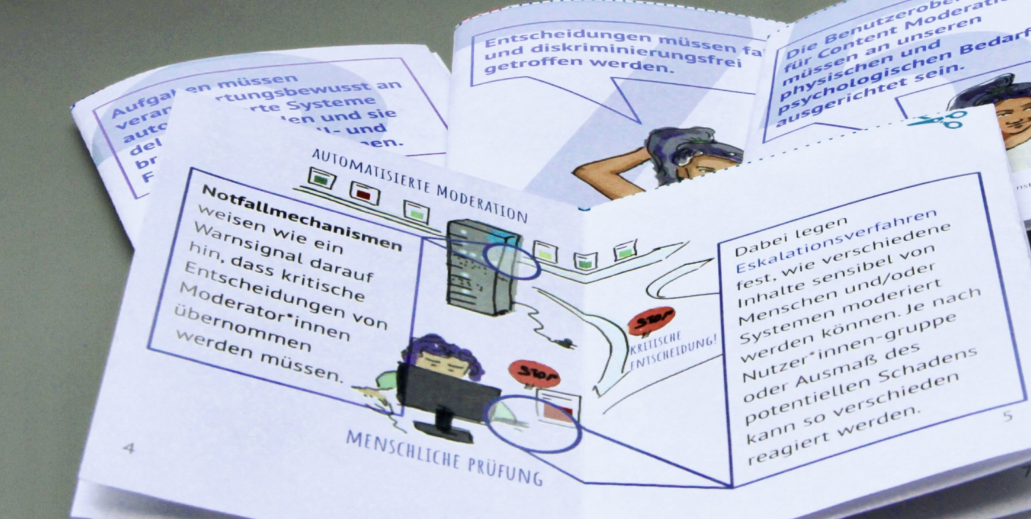
Content moderation
Eleven zines show how humans and machines decide on content on online platforms, guided by a code of conduct for fair moderation. Printable fold-up templates for seminars and workshops.
From the project Human in the Loop?.
Card game · German/English For everyoneSchools & youth educationHigher education
AI Compass
Players take on the role of AI experts, answer citizens' requests and decide where AI really helps and where it does not. The cards feature real AI applications that serve the common good.
From the project Artificial Intelligence, explained in human terms.
Experiment · German For everyoneSchools & youth educationHigher education
Facial recognition
How does software recognise faces, and when does it get it wrong? Short experiments in the browser let users try it out on a smartphone or computer. A good way to introduce AI in schools and universities.
From the project Artificial Intelligence, explained in human terms.
Course · English/Spanish/French/Portuguese For everyoneHigher education
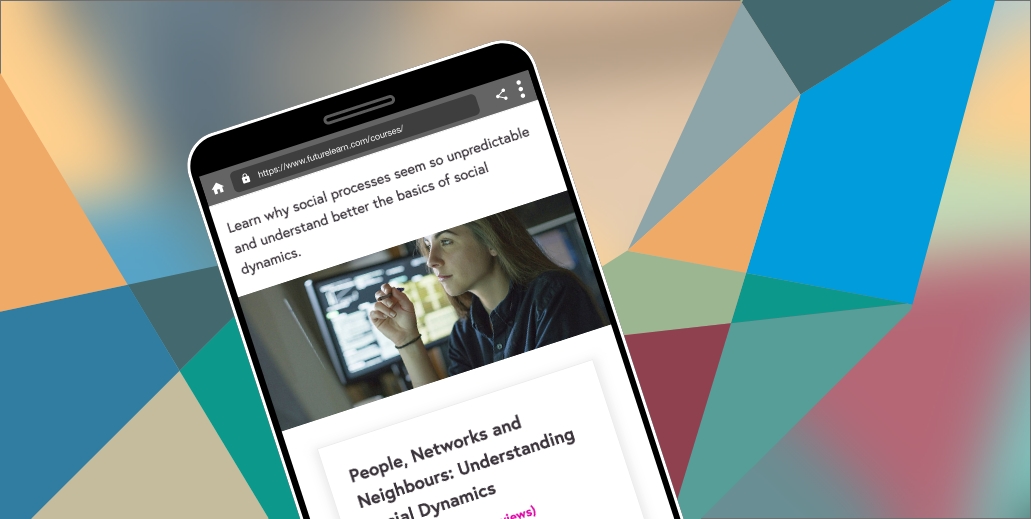
People, Networks and Neighbours
Why do protests sometimes spread so suddenly? This three-week online course explains the dynamics with videos and simulations, no maths required. Suitable for independent learning and teaching.
From the EU project ACTiSS: Action for computational social science.
Course · English For everyoneHigher education
Understanding polarisation
How does social division arise, and what helps to overcome it? This online course uses videos, quizzes and simulations to explain the mechanisms and shows ways towards respectful dialogue.
From the EU project Action for Interactive Anti-Polarisation Learning Experiences for a Better Democracy.
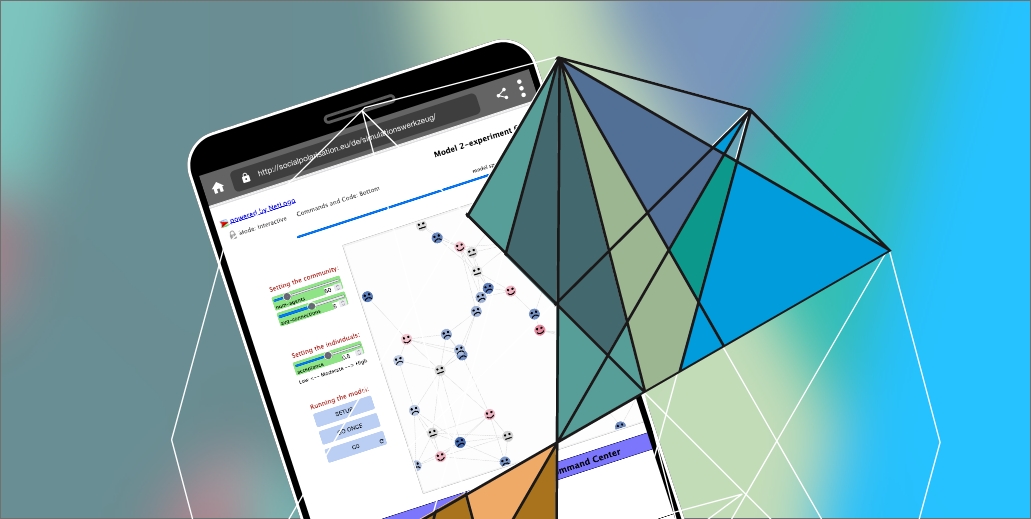
Interactive tool · German/English/Polish/Estonian For everyoneHigher education
Simulating polarisation
This browser tool lets users explore how polarisation emerges and intensifies within groups. Suitable for independent exploration or as a hands-on element in seminars.
From the EU project Action for Interactive Anti-Polarisation Learning Experiences for a Better Democracy.
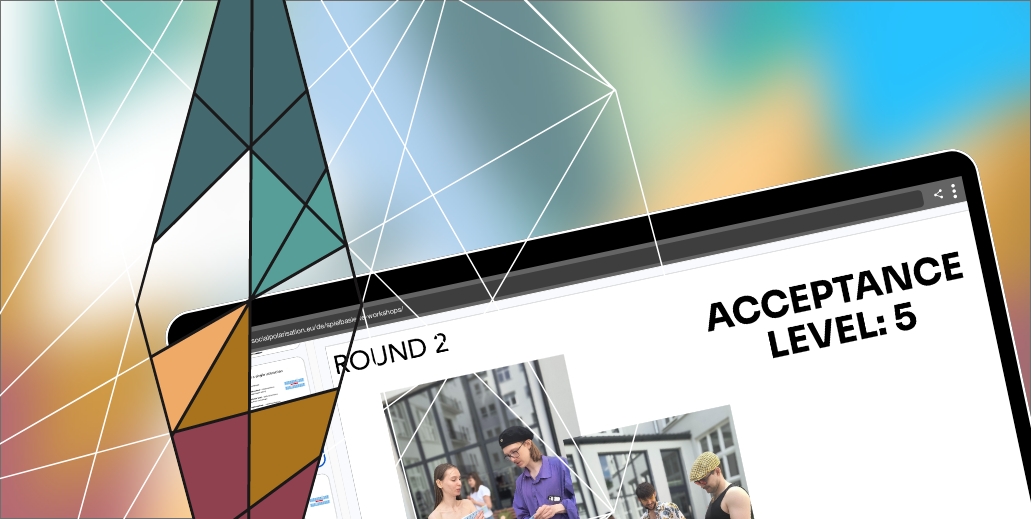
Workshop concept · German/English/Polish/Estonian For everyoneHigher education
Experiencing polarisation through play
Game-based workshops let groups in education and teaching experience polarisation first-hand. The concepts include videos, so a projector and internet access are needed.
From the EU project Action for Interactive Anti-Polarisation Learning Experiences for a Better Democracy.
Course · English Higher education
Unpacking AI
An online course for students of non-technical subjects on how AI works and what it means for society. Around 15 hours, with a certificate and free registration on atingi.
From the project Strengthening Digital Skills through Micro-Credentials.

Course · English Higher education
Understanding Data
An online course for students of non-technical subjects on how data is created and whose interests shape it, including a hands-on data project. Around 15 hours, with a certificate, via atingi.
From the project Strengthening Digital Skills through Micro-Credentials.
Articles · English Higher educationFor everyone
Defining concepts of the digital society
Short articles explain and critically discuss key terms such as datafication, platformisation and data justice. Freely available online and well suited as seminar reading.
Published in Internet Policy Review.
Zine · German/English Higher educationFor everyone
The Digital Services Act (DSA)
What must platforms do about hate speech and disinformation, and what rights do users have? This zine offers a concise introduction to the DSA as a printable fold-up template.
From the DSA Research Network.
Guide · English Institutions & practiceHigher education
Make Science Go Viral
A step-by-step online guide that helps researchers turn their work into short videos for TikTok, YouTube or Instagram, from first idea to final edit, with methods and tool lists.
From the research focus Knowledge and Society.

Online handbook · German Institutions & practice
Data Governance Guide
This online handbook guides municipalities and public administrations step by step through the legal requirements of using data in digitalisation projects.
From the project Data & Smart City Governance.
Resource collection · English Institutions & practice
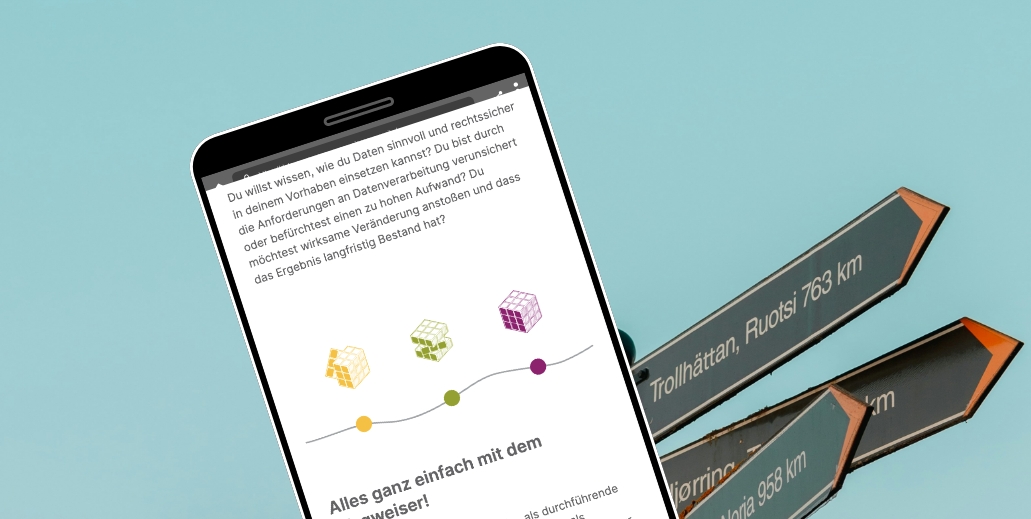
Tackling hostility towards scientists
A fact sheet, guidelines, a toolkit and workshop materials help researchers, communications teams and leadership deal with attacks on researchers. All resources are available to download.
From the collaborative project KAPAZ.

Toolkit · English Institutions & practice
Navigating Crisis
This online kit helps universities become more resilient to crises through creative methods. Four printable canvases for leadership, teaching staff and support teams, for individual use or workshops.
From the project Organisational Resilience and Creativity.

Guide · English Institutions & practice
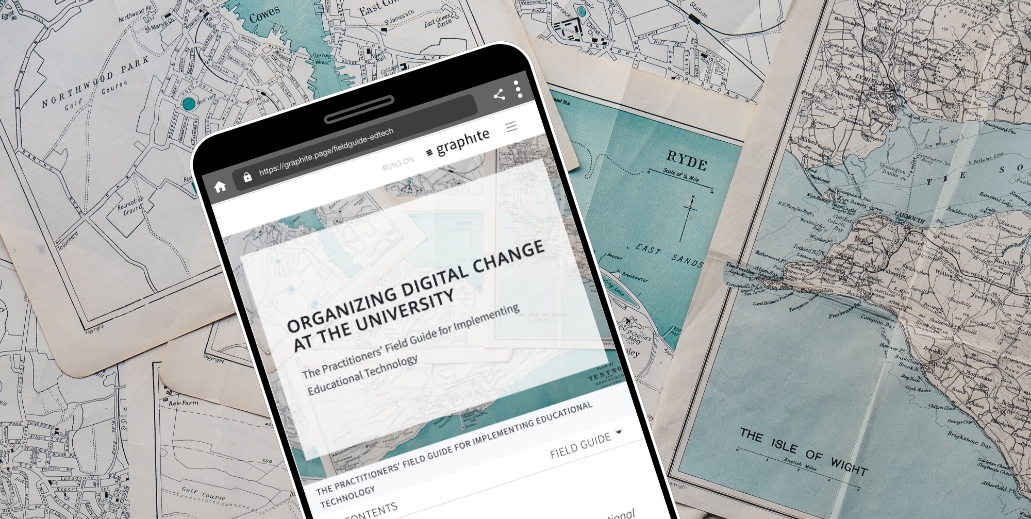
Organizing Digital Change at the University
For anyone introducing digital learning technologies at universities. Six chapters combine research findings and exercises, from leadership to dealing with resistance.
From the project Organisational Adaptivity (OrA).
Guide · English Institutions & practiceHigher education
Make Science Go Viral
A step-by-step online guide that helps researchers turn their work into short videos for TikTok, YouTube or Instagram, from first idea to final edit, with methods and tool lists.
From the research focus Knowledge and Society.