
Thorsten Thiel, Dr.
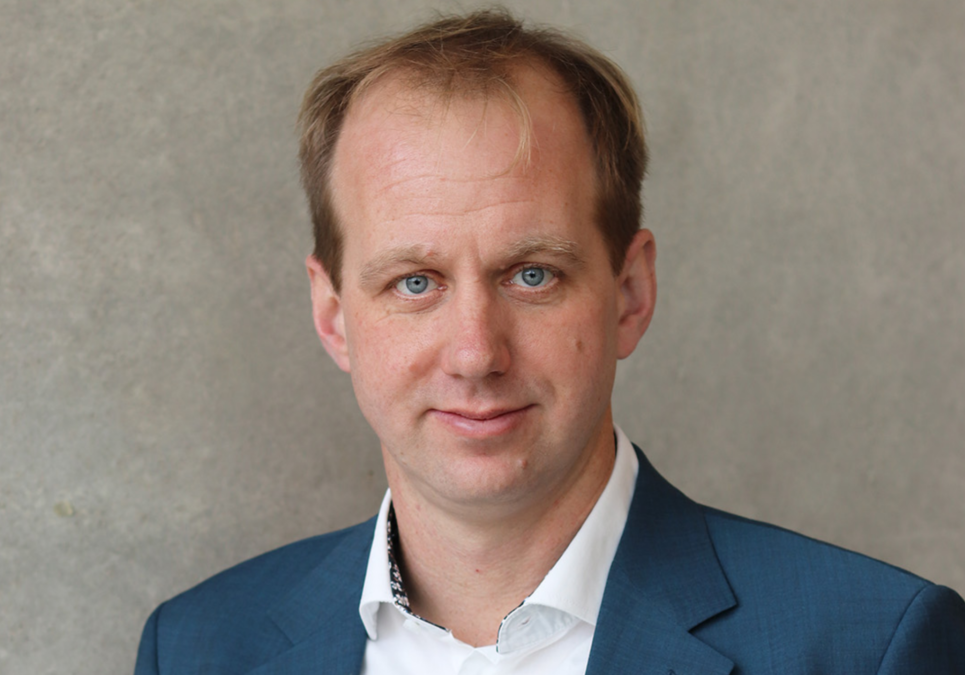
Dr. Thorsten Thiel is Professor of Democracy Promotion and Digital Policy at the University of Erfurt and an associate researcher at the Alexander von Humboldt Institute for Internet and Society. His research combines democratic theory with issues relating to digital and internet policy. He examines, in particular, how democratic institutions, public communication and political participation are transformed by digital infrastructures.
From 2017 to 2022, he headed the ‘Democracy and Digitalisation’ research group at the Weizenbaum Institute for the Networked Society, while also serving as a research fellow at the Berlin Social Science Centre. Previously, he was coordinator of the Leibniz Research Alliance ‘Crises of a Globalised World’ and a research fellow at the Frankfurt Cluster of Excellence ‘The Formation of Normative Orders’.
Alongside his research, Thorsten Thiel actively participates in academic and public discourse on digital policy. He has been a member of interdisciplinary expert groups on topics such as ‘Digital Europe 2030’, the political public sphere, digital sovereignty, data and democracy. He has also been a member of a working group on responsibility, machine learning and artificial intelligence at the Berlin-Brandenburg Academy of Sciences and Humanities and of the Steering Committee of the Internet Governance Forum Germany. In 2010, he co-founded the Theory Blog and served on its editorial board for many years. He is currently Vice-Dean for Academic Affairs at the University of Erfurt, as well as being a member of the academic advisory board of the Institute for Democracy and Civil Society in Jena (IDZ).
Position
Associate researcher: Democratic Change and Knowledge