

Summer School: Dealing with hostility in science communication
As researchers, we are increasingly expected to demonstrate societal impact of our work. But going public can, in some cases, lead to unwelcome and aggressive reactions: verbal attacks, hate speech, trolling or even physical threats. Why should one go public if they are consistently being attacked and discredited as an expert? It is important that the voice of science is not silenced and that important work in areas such as climate change or gender studies can continue.
This summer school is created for researchers from all career stages, all disciplines that engage in communication with non-academic audiences, either in broader public communication, science-policy advice, citizen science projects or else. The training was created by a group of professional science communicators and public engagement experts.
What can you expect?
Dates
The summer schools took place on the following dates:
(1) Summer School: 23-24 September 2024
(2) Summer School: 07-08 July 2025
Involved Institutions
The programme is part of the Capacities and Competencies in Dealing with Hate Speech and Hostility towards Science (CAPAZ) project network. It explores hostility towards researchers and develops institutional resources to protect them from hostility towards science, both online and offline.
The workshop format was developed in close collaboration with leading experts in science communication and public engagement. It was developed under the leadership of the Alexander von Humboldt Institute for Internet and Society (HIIG), the Berlin School of Public Engagement (BSOPE) at the Museum für Naturkunde in Berlin (MfN) and Scicomm-Support.
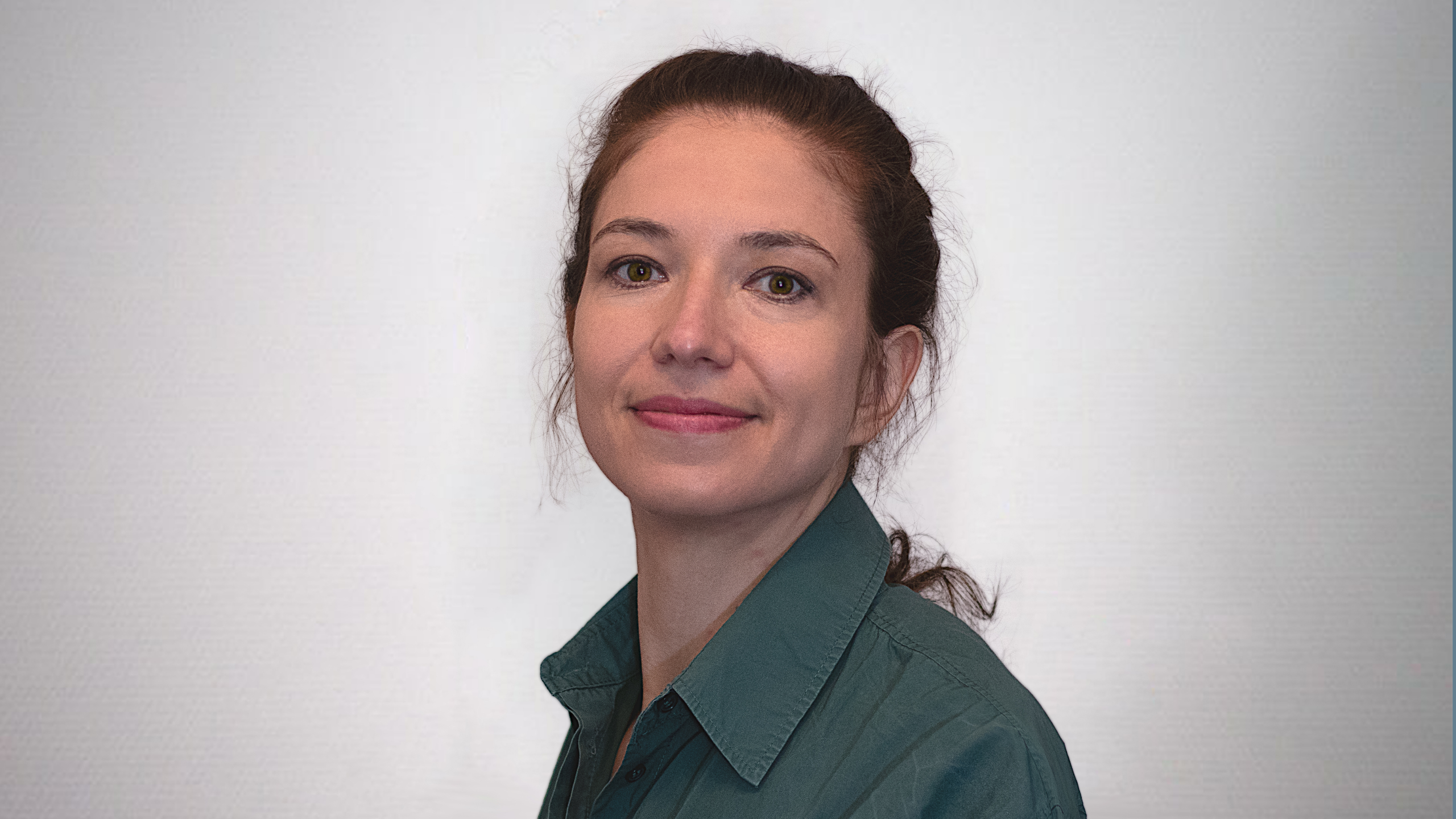
Nataliia Sokolovska, Dr.

Capacities and competencies in dealing with hate speech and hostility towards science
The KAPAZ project develops strategies and practical tools to make the science system more resilient to hostility in public discourse.

Dealing with hostility against science
The KAPAZ project has brought together its key findings in this collection as a lasting knowledge base for a resilient science system. It provides practical strategies to counter attacks on scientists.